




Referendums Continue to Find Success, But It's Not An Easy Road
Mich. Township voters approve transit funding measure
The 10-year, 0.3627-mill transit tax will fund transit services that are a part of TheRide’s Five-Year Transit Improvement Program. The tax will raise approximately $403,000 when first levied.
November 5, 2015
2 min to read
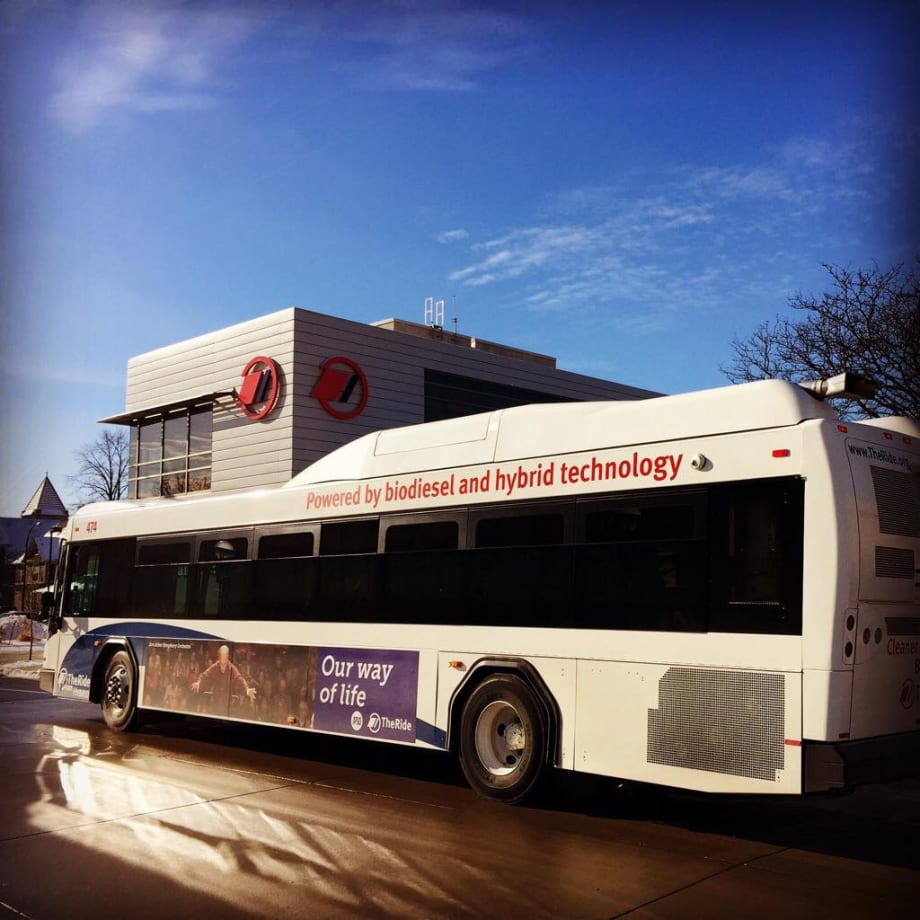
Voters in Scio Township approved a new 10-year, 0.3627-mill transit tax placed on the ballot on Tuesday to fund transit services that are a part of TheRide’s Five-Year Transit Improvement Program (5YTIP). The tax will raise approximately $403,000 when first levied.
Based on an average property value of $250,000, it is estimated that it will cost the average Scio Township property owner approximately $45 per year. Service will be ramped up over a three-year period with phase one beginning May 1, 2016.
The passage in Scio Township follows that by voters in Ann Arbor, Ypsilanti and Ypsilanti Township, who on May 6, 2014, overwhelmingly approved a 0.7-mill increase to fund a Five-Year Public Transit Improvement Program. Implementation of the 5YTIP began in August 2014 and will ultimately provide a service increase of 44%. In May, 2016, three new bus routes will serve businesses and residential areas in Scio Township and Dial-A-Ride services for seniors and people with disabilities will also be expanded.
Transit service in Scio Township will help preserve farmland and open spaces; and provide freedom for seniors to age in place, provide freedom for people with disabilities to remain active in the community, provide access to jobs for Scio Township residents, provide access to a larger workforce for Scio Township businesses, and provide access to educational opportunities and after-school activities.
For many years, TheRide has received requests from communities for public transit services. TheRide has used these requests and comments to design service that best serves the greatest number of residents. Scio Township residents have spoken, and will now have improved access to all of the benefits that public transportation service provides.
Scio Township’s new transit service will be ramped up during two phases over three years.
More Management
Brian Dickson on Building Stronger, More Resilient Transportation Organizations
Bus Business Consultants Founder Brian Dickson discusses the leadership principles, operational discipline, and strategic planning that separate transportation companies positioned for long-term success from those stuck in survival mode.
Read More →
LA Metro Breaks Ground on Vermont BRT Project
The 12.4-mile corridor is projected to serve 66,200 daily riders, reduce travel times by up to 24%, and create the nation's busiest bus rapid transit corridor.
Read More →
Building Stronger Leaders, More Resilient Transit Teams
Dr. Carol Parker Walsh discusses leadership development, employee retention, workplace culture, and preparing transit’s workforce for AI and automation.
Read More →
Roman Cornell on ABC Companies’ Evolution and the Future of Passenger Transportation
The company’s CEO discusses carrying forward a third-generation family legacy, ABC’s continued evolution in passenger transportation, support for increasingly complex fleets, and how technology and continued investment could help operators improve uptime.
Read More →
CATS Launches West Charlotte Microtransit Zone, Expands Transit Services
The new microtransit zone connects residents to key destinations as Charlotte Area Transit System rolls out the first phase of its 2055 Transit System Plan.
Read More →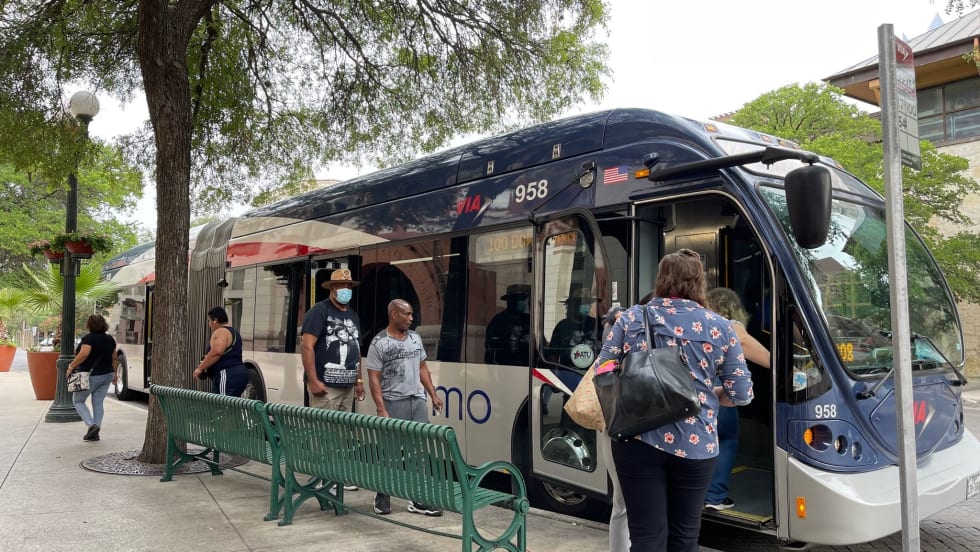
VIA Bus Ridership Grows 10.1% Through August 2026
San Antonio's VIA Metropolitan Transit reported the highest bus ridership growth among major Texas transit systems. Federal Transit Administration data ranked it second among the nation's 50 largest transit systems.
Read More →
CSA Group Releases Climate Resilience Standard for Transit, Passenger Rail
Developed with support from the Standards Council of Canada, CSA D700 guides assessing climate-related risks and planning adaptation measures for transit and passenger rail systems.
Read More →
ETA CEO John Maglio on Transit Technology, Innovation, and Building Agency Trust
ETA founder and CEO John Maglio explores the evolution of transit technology, the importance of reliable systems, and how stronger partnerships can help agencies improve operations and the passenger experience.
Read More →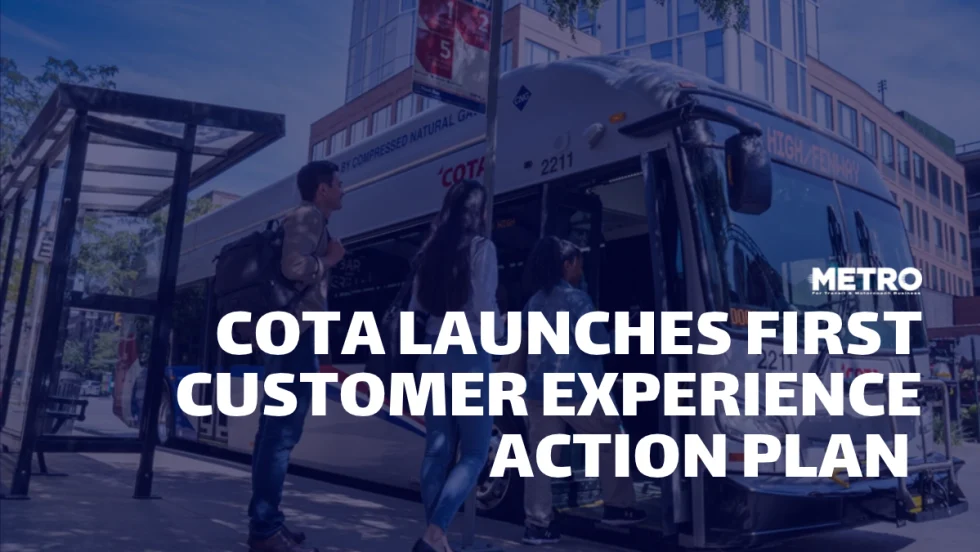
COTA Launches First Customer Experience Action Plan to Improve Transit Service
The new plan outlines improvements to service reliability, accessibility, communication, and the overall rider experience across Central Ohio's transit system.
Read More →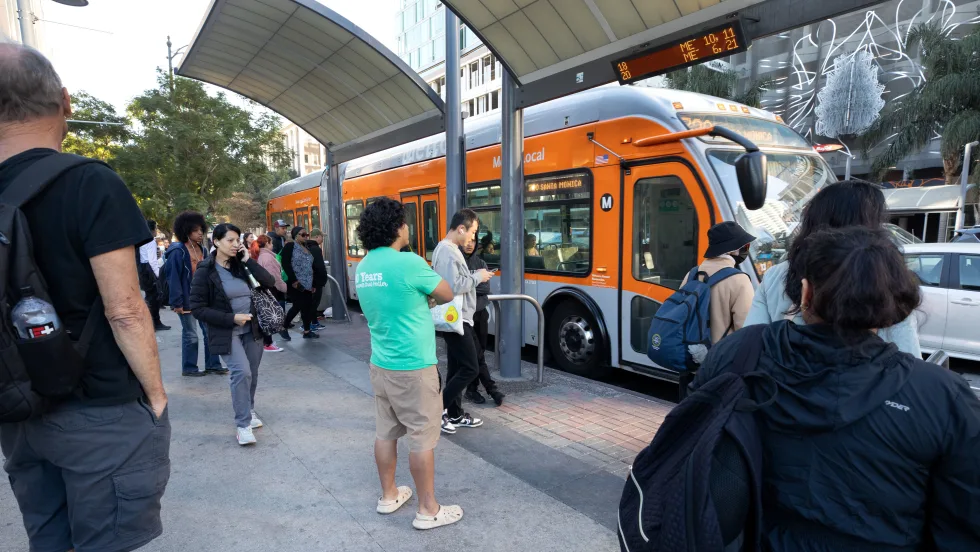
LA Metro September Ridership Climbs 3.9%, Led by Rail Growth
The agency recorded more than 27.2 million boardings, with rail ridership increasing 12.4% year over year and the D Line posting the largest gains.
Read More →