



Michigan seeks funding for high-speed Amtrak line
Trains currently operate at speeds up to 95 mph between Kalamazoo and Niles and are expected to increase to 110 mph by the end of 2009. Federal funding would allow expansion of better train technology and increased train speeds east of Kalamazoo, while Amtrak expands the technology and increases train speeds west to Porter, Ind., an important link on the trip to and from Chicago and cities beyond.

The Michigan Department of Transportation (MDOT) is seeking hundreds of millions of federal dollars to help bring high-speed rail service to the Amtrak Wolverine Line between Pontiac, Detroit and Chicago.
If awarded by the federal government, the ARRA funds would be used over the next two years on "shovel ready" improvements needed to bring high-speed rail to Michigan.
If the grant requests are approved, they could create up to 10,000 jobs in Michigan.
"We are committed to bringing high-speed rail service to Michigan because of the benefit it will have for citizens," Michigan Gov. Jennifer M. Granholm said at a news conference. "High-speed rail will enhance our transportation system, create jobs and spur economic development, and help protect our environment."
Specifically, Michigan is applying for up to $800 million for:
- track and train control improvements to accommodate improvements in capacity, speed and safety;
- track and train control capital preventive maintenance, corridor acquisition, and minor operational improvements;
- station work, including new station construction, renovation and rehabilitation.
"We envision high-speed rail service that is fast, frequent, reliable, safe and secure, and that uses modern equipment that makes arriving and departing convenient," Granholm said. "We want to shorten the time it takes to travel from Detroit to Chicago to four hours and increase the frequency of that trip to nine times a day."
Granholm noted the improvements offer benefits to communities, including increased economic development around stations, a more robust connection between colleges and universities, and transportation for tourists to the Henry Ford complex.
ARRA provides $8 billion in competitive grants to support high-speed and intercity passenger rail projects across the country. The applications are the first of three expected rounds of applications for the project. ARRA funding will be used to invest in critical elements of the project - including track improvements, station upgrades, signal and grade crossing improvements, and enhanced technology.
MDOT has worked closely with the freight railroads in recent years to develop the Wolverine corridor. Trains currently operate at speeds up to 95 mph between Kalamazoo and Niles and are expected to increase to 110 mph by the end of 2009. Federal funding would allow expansion of better train technology and increased train speeds east of Kalamazoo, while Amtrak expands the technology and increases train speeds west to Porter, Indiana., an important link on the trip to and from Chicago and cities beyond.
In July, Gov. Granholm signed a memorandum of understanding (MOU) at the Midwest High-Speed Rail Summit. The MOU establishes a partnership among eight states to work cooperatively to fund the Midwest Corridor, a regional high-speed rail plan that will connect cities throughout the region with frequent, reliable high-speed and conventional intercity rail service.
The initiative, which includes a Michigan Detroit-Pontiac-Chicago line, is modeled after the larger vision of President Barack Obama and U.S. Transportation Secretary Ray LaHood to create a nationwide rail network.
According to the American Association of Railroads, every dollar spent on investments in our nation's railroads - tracks, equipment, locomotives, bridges - yields $3 in economic output.
A decision by the Federal Railroad Administration on the first round of grant applications is expected later this fall. Once the applications are submitted, they will be available online at www.michigan.gov/mdot.
More Rail
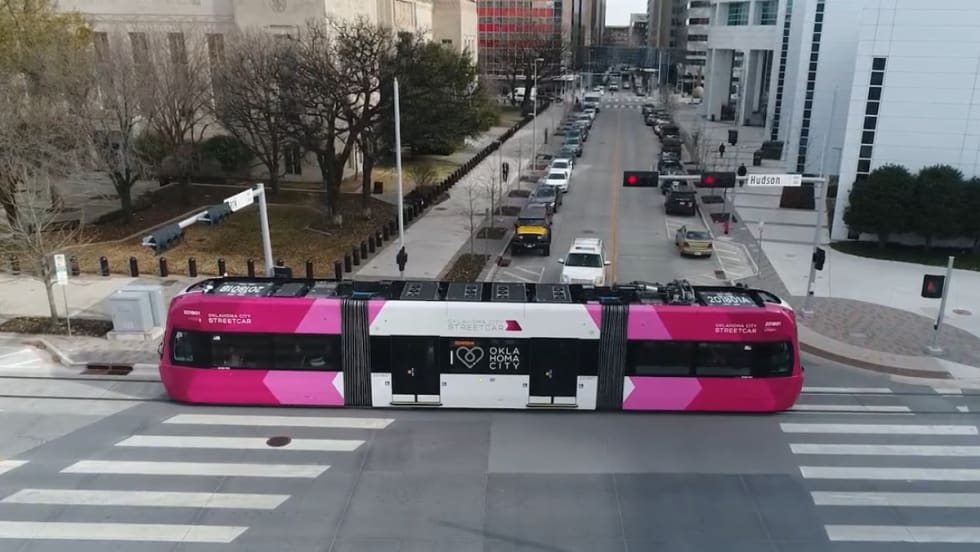
OKC Streetcar Makes Zero-Fare Service Permanent
Ridership increased an average of 71% compared with the same period a year earlier during the fare-free pilot.
Read More →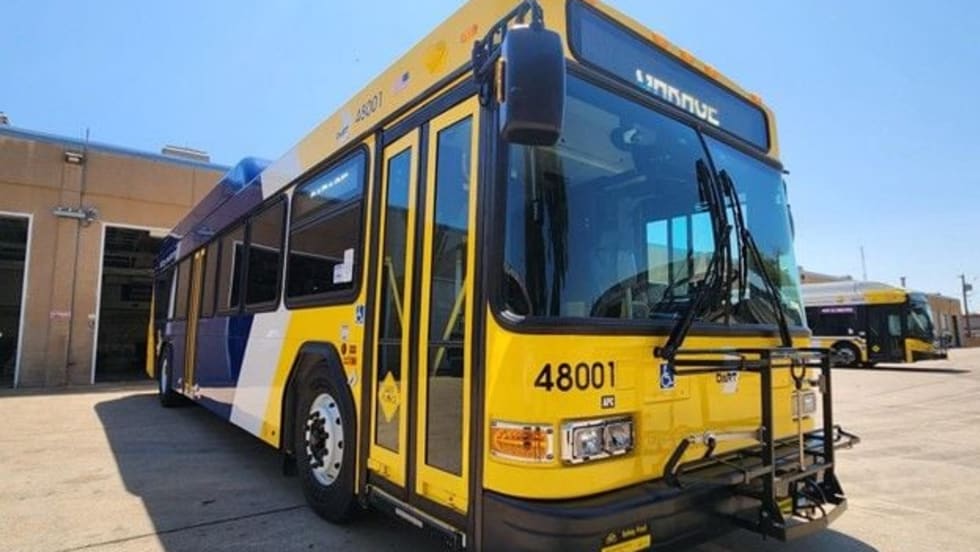
DART Customer Satisfaction Reaches Six-Year High
Overall satisfaction rose to 74.9%, while the agency’s Net Promoter Score reached a record 33.7.
Read More →
How DART's GoPass Is Redefining Regional Mobility
Serving 14 transit agencies, GoPass simplifies multimodal travel by allowing riders to plan, pay for, and manage an entire trip through one app.
Read More →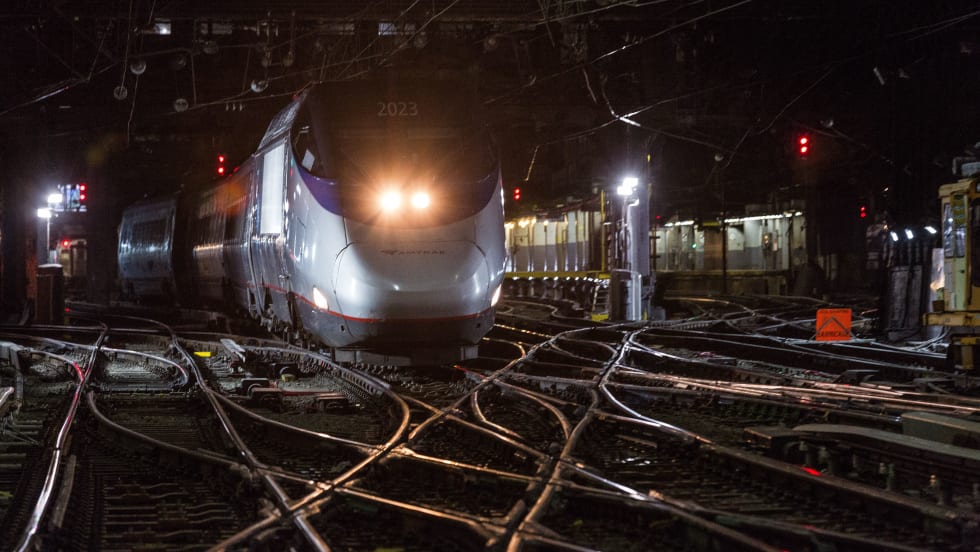
Amtrak Board Advances Plan to Restructure Organization, Seeks Public Input
The proposal, developed by Amtrak management and approved by the board for further consideration, is intended to modernize the organization's structure while improving accountability, operational efficiency, and customer service.
Read More →
Biz Briefs: STV teams with Amtrak, Motorcoach Operators Boost Fleet and Land Contracts, and More
From manufacturers and suppliers to transit agencies and motorcoach operators, these updates offer a snapshot of the projects, partnerships and business moves driving the industry forward.
Read More →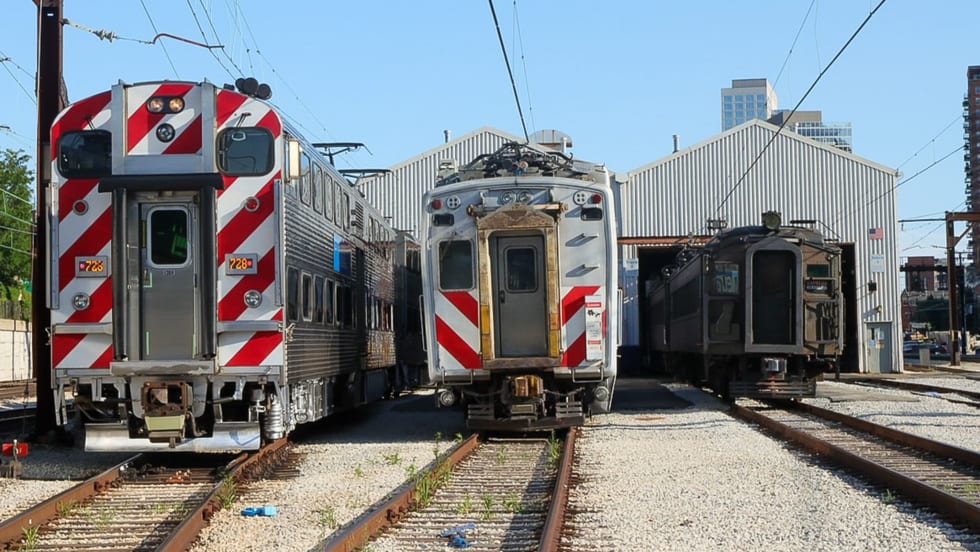
Metra Celebrates 100 Years of Electric Rail, Looks to the Future
The event was also a celebration of recent reforms to public transportation in the Chicago area, changes that could be as transformative in the future as the major civic achievement a century ago, said officials.
Read More →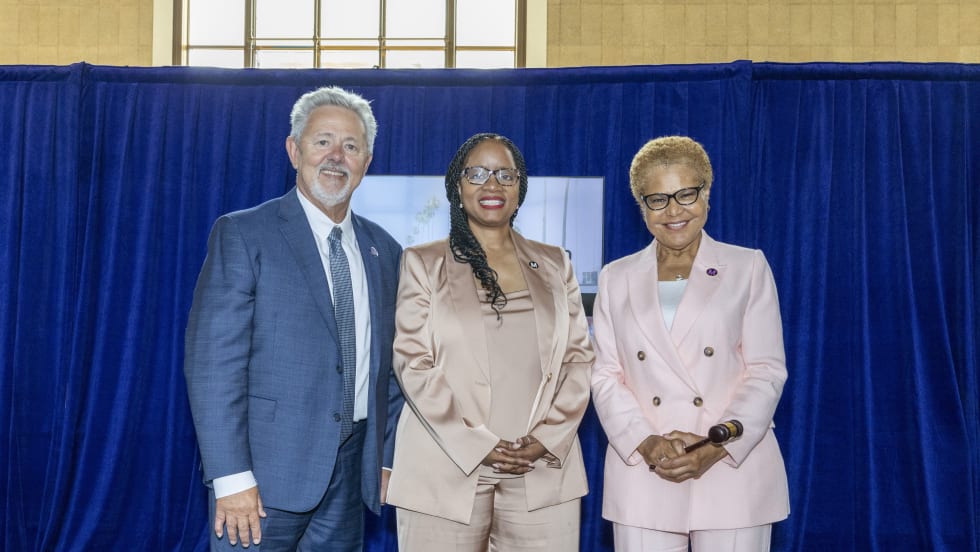
LA Metro Marks Banner Year, Sets Ambitious Goals for New Fiscal Year
Incoming LA Metro Board Chair and Los Angeles Mayor Karen Bass joined outgoing Board Chair Fernando Dutra and LA Metro CEO Stephanie Wiggins to review accomplishments from fiscal year 2026, which included the opening of new rail extensions, advancement of major transit projects, expanded safety programs, and new rider amenities.
Read More →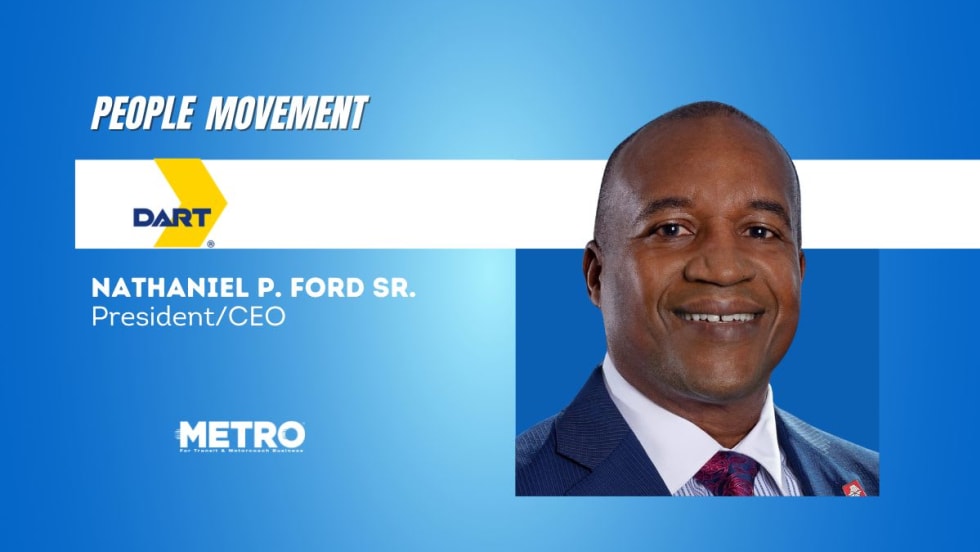
DART Taps Nathaniel P. Ford Sr. as Next President/CEO
Since 2012, Ford has served as the CEO of the Jacksonville Transportation Authority
Read More →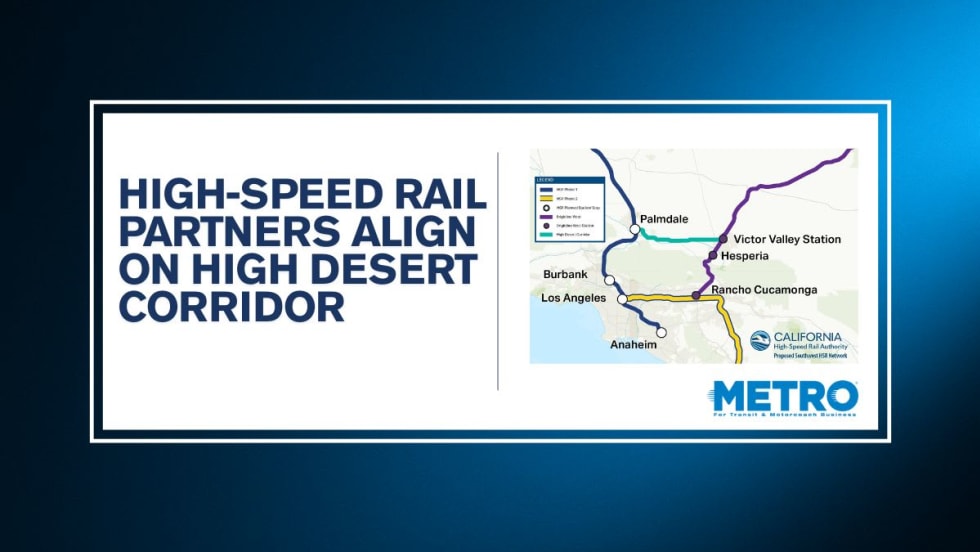
California High-Speed Rail Authority Signs MOU to Advance High Desert Corridor
The agreement deepens collaboration between the California High-Speed Rail Authority and the High Desert Corridor Joint Powers Agency, supporting design integration, cost savings, and faster delivery of a key Southern California rail link.
Read More →
Building the Next Generation of Transit Technology
In this edition of METROspectives, Luminator CEO Magnus Friberg discusses the company's transformation, the growing role of AI and software, and what's next for transit technology.
Read More →