



Minn. Metro adds 19 new full-time police officers
The new officers join 64 licensed and sworn full-time and 60 existing part-time officers.

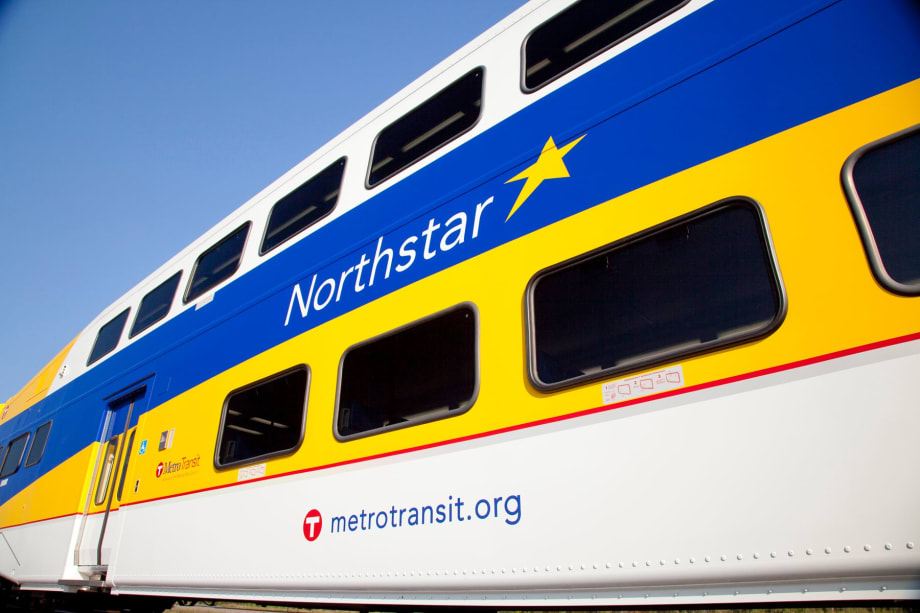
Metro Transit Police patrol routes, rail stations, and other transit facilities by riding buses and trains, in squads and on foot.

Minneapolis-St. Paul’s Metro Transit Police Department added 19 new full-time officers to its ranks. Officers were recently sworn in by Chief John Harrington at a ceremony in Minneapolis.
“This well-qualified group of full-time officers will fill a key role for our region’s growing transit system — particularly as we prepare for Metro Green Line light rail service next year,” Harrington said. “Metro Transit customers represent many different cultural backgrounds and this diverse group of officers is reflective of the many communities that make up the Twin Cities.”
The 19 officers come from various law enforcement backgrounds. Five of the officers have previous sworn law enforcement experience totaling nearly 24 years of service. The new officers represent diverse community backgrounds including African-American, Somali and Latino and several are bilingual, speaking Arabic, Somali or Spanish.
The new officers join 64 licensed and sworn full-time and 60 existing part-time Metro Transit Police officers. This addition will result in a net increase of 15 more full-time Metro Transit Police officer positions — for a total of 83. The growing department added 22 additional part-time officers in April of this year and plans to hire an additional 26 part-time officers this fall.
Metro Transit Police patrol routes, rail stations, and other transit facilities by riding buses and trains, in squads and on foot. The department was created in 1993 and has jurisdiction wherever Metro Transit buses and trains operate — currently in eight metro counties.
RELATED: "Focus on Day-to-Day Transit Security Helps Mitigate Larger Threats."
More Management
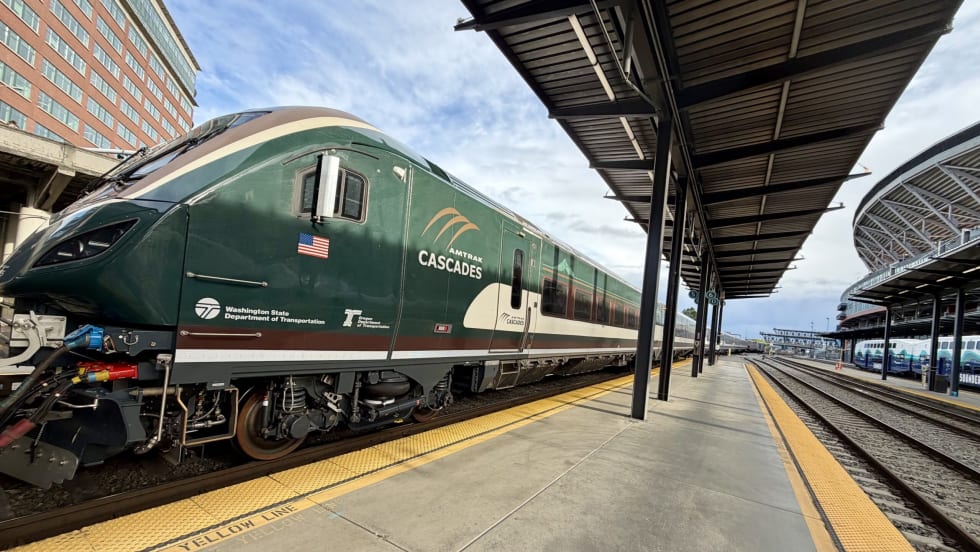
FRA Announces $5.3B in Rail Investments, Including $2B for Amtrak
Funding will support grade-crossing improvements, infrastructure upgrades, and new Amtrak equipment in 23 states.
Read More →
Finding the ‘Happy Medium’: Optimizing Maintenance Without Sacrificing Reliability
The key to maintenance optimization isn’t doing less work—it’s doing the right work at the right time on the right assets.
Read More →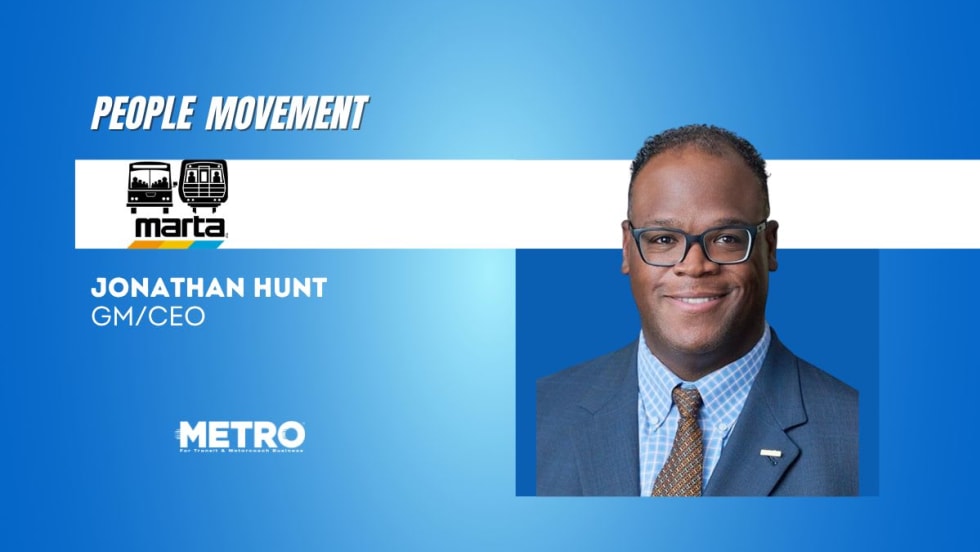
People Movement: MARTA Drops Interim Tag on GM/CEO Hunt and More
In this edition, METRO covers recent appointments and announcements at the FMCSA, HDR, SilverRide, and more, showcasing the individuals helping to shape the future of transportation.
Read More →
VIA Metropolitan Transit Reports 2 Million More Passenger Trips as Better Bus Plan Gains Momentum
San Antonio's transit agency said accelerated service improvements are driving ridership growth, offering another example of how increased frequency and workforce investments can translate into stronger transit performance.
Read More →
ABAF Study Reveals Growing Insurance Crisis for Motorcoach Operators
Preliminary findings show 98% of operators faced premium increases over the past five years, while shrinking insurer participation is putting added pressure on businesses and customers.
Read More →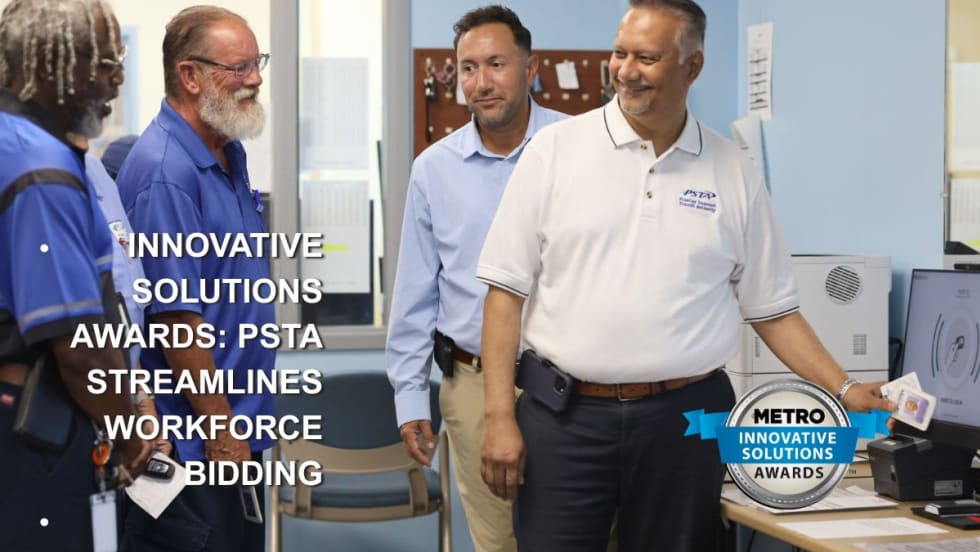
PSTA Modernizes Workforce Management with Digital Bidding System
The award-winning Workforce Transit Modernization project replaced paper bidding with a transparent digital platform, cutting administrative effort while improving access for operators.
Read More →
Chicago to Host Public Transportation's Biggest Gathering at APTA TRANSform & EXPO 2026
North America’s largest public transportation gathering returns to Chicago, connecting transit decision-makers with the technologies, ideas, and partnerships driving the industry forward.
Read More →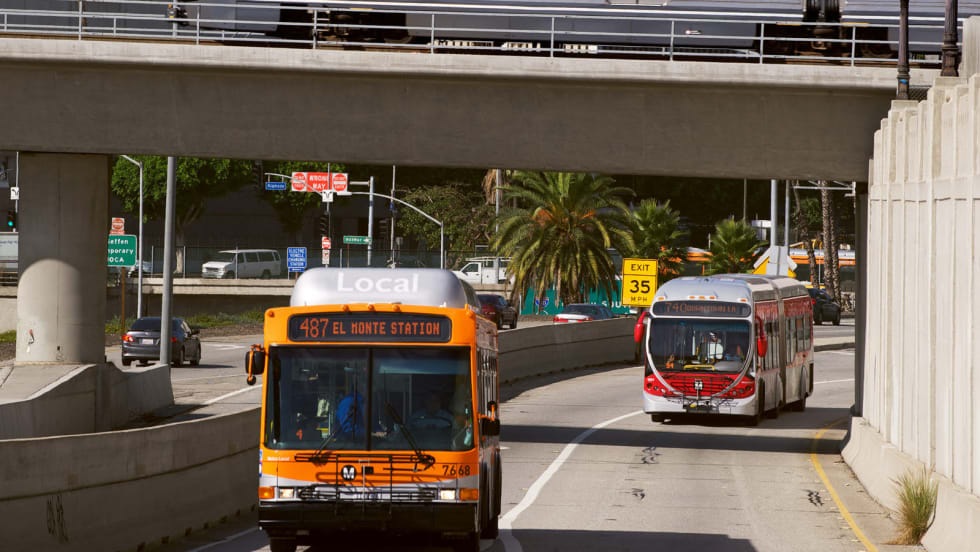
New Tricks for Old Bureaucracies: Joshua Schank on Making Transit Innovation Stick
Former LA Metro Chief Innovation Officer Joshua Schank discusses why good ideas aren't enough, how transit agencies can overcome resistance to change, and why today's challenges demand more innovation.
Read More →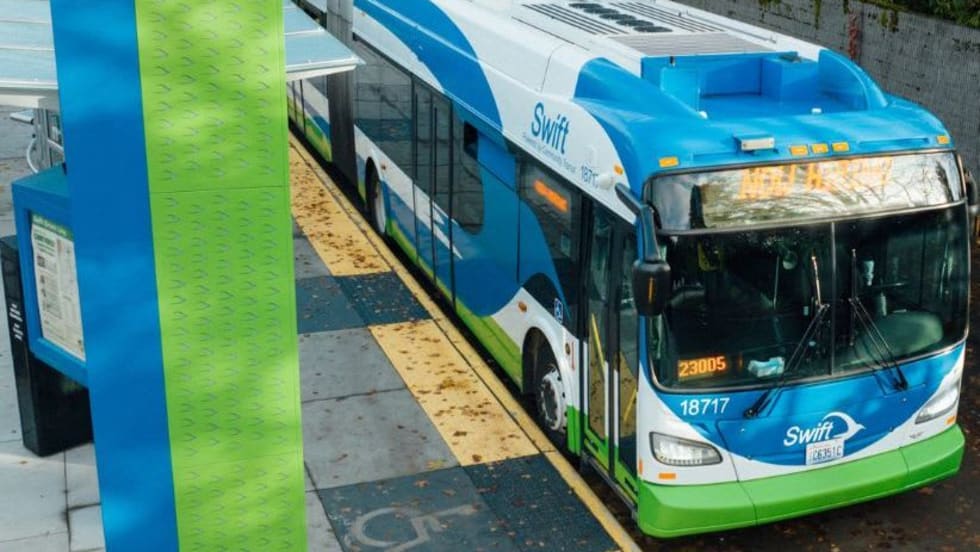
Washington's Community Transit Sets Six-Year Roadmap for Growth, Expansion
Approved TDP targets more bus service, new mobility options, Swift BRT expansion, and a potential Everett Transit annexation.
Read More →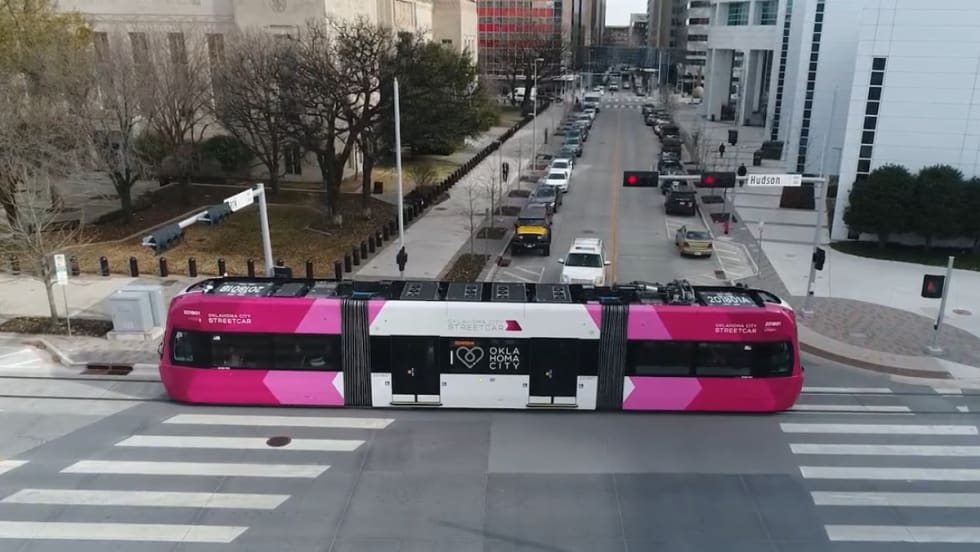
OKC Streetcar Makes Zero-Fare Service Permanent
Ridership increased an average of 71% compared with the same period a year earlier during the fare-free pilot.
Read More →