




Plans In Place: New York MTA Adding 5 Nova Bus ZEBs
MTA Announces Initial Actions for Micromobility Plan
The actions include capital projects enhancing bike and pedestrian access to MTA bridges and more.
October 27, 2022
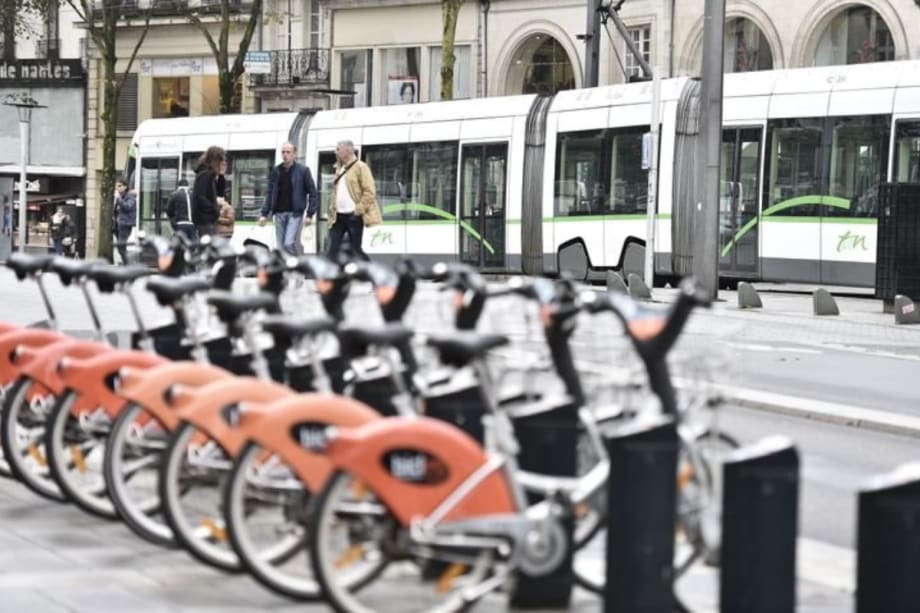
The Strategic Action Plan, first announced in May, will outline how pedestrians, cyclists, and micromobility users can better access MTA facilities.
Photo: Canva
2 min to read
Metropolitan Transportation Authority (MTA) officials announced a series of initial actions being undertaken through its landmark Bike, Pedestrian, and Micromobility Strategic Action Plan.
The actions include capital projects enhancing bike and pedestrian access to MTA bridges, additional bike parking infrastructure at subway stations throughout the system, and the initial commuter rail stations to pilot improved car-free connectivity to local communities, according to MTA's news release.
The Strategic Action Plan, first announced in May, will outline how pedestrians, cyclists, and micromobility users can better access MTA facilities and services in collaboration with local governments, advocacy groups, and stakeholders.
“Increasing access and connections to MTA services is one of my top goals,” said Janno Lieber, MTA chair/CEO. “Today’s announcement represents the first steps in a comprehensive strategy to provide more car-free access to transit across the New York region. As MTA ridership continues to rise, the actions we unveiled today will upgrade connections to transit for cyclists, pedestrians, and micromobility users and bring more riders back to the MTA’s subways, buses, and commuter railroads.”
The MTA board approved the award of a capital project recommended by the Strategic Action Plan to improve cycling and ADA access on the Cross Bay Bridge.
In addition, on the Henry Hudson Bridge, the MTA said it will widen the existing lower-level walkway so that it is suitable for shared use and will construct ADA-compliant ramps on both the north and south approaches to this shared use path.
In collaboration with the New York City Department of Transportation (NYC DOT), bike parking infrastructure will be installed at 37 subway stations that currently lack bike racks within 100 feet of station entrances.
“Investing in greater pedestrian, bike, and micromobility access at MTA bridges and stations will make it easier to get around our region,” said Danny Harris, executive director of Transportation Alternatives. “With increased bridge access, more bike parking, and better multimodal trip planning, we can build on New York City’s bike boom and reduce reliance on cars. We look forward to the release of MTA’s full Micromobility Strategic Access Plan.”
As the MTA announced in May, the final Bike, Pedestrian, and Micromobility Strategic Action Plan will be released by the end of 2022.
More New Mobility

From Hardware to Digital Partner: Luminator Charts Its Next Chapter
CEO Magnus Friberg discusses Luminator’s shift toward becoming a digital partner, the growing importance of software and interoperability, and how AI can help agencies improve operations and passenger experience.
Read More →
Biz Briefs: Alstom Lands Canadian Contract, LYT to Supply California TSP, and More
In METRO's latest installment, we take a look at recent news from Complete Coach Works, Beep, FlixBus, and more partnerships making headlines across the transportation sector.
Read More →
CharterUP’s Armir Harris on Technology, AI, and the Future of Group Mobility
In a recent episode of METROspectives, CharterUP Founder/CEO Armir Harris discussed the company’s evolution from an online charter bus marketplace into a technology platform supporting public- and private-sector mobility and much more.
Read More →
Jacksonville’s NAVI Project Charts a New Course for Autonomous Public Transportation
Through its NAVI program, JTA is showing how autonomous vehicles, intelligent infrastructure, and coordinated operations can work together to deliver everyday public transportation.
Read More →
Biz Briefs: Luminator Marks Milestone and More
From manufacturers and suppliers to transit agencies and motorcoach operators, these updates offer a snapshot of the projects, partnerships and business moves driving the industry forward.
Read More →
New Tricks for Old Bureaucracies: Joshua Schank on Making Transit Innovation Stick
Former LA Metro Chief Innovation Officer Joshua Schank discusses why good ideas aren't enough, how transit agencies can overcome resistance to change, and why today's challenges demand more innovation.
Read More →
How DART's GoPass Is Redefining Regional Mobility
Serving 14 transit agencies, GoPass simplifies multimodal travel by allowing riders to plan, pay for, and manage an entire trip through one app.
Read More →
Biz Briefs: OCTA Taps Clean Energy for Hydrogen Station, Stadler to Supply Via Rail Vehicles, and More
From manufacturers and suppliers to transit agencies and motorcoach operators, these updates offer a snapshot of the projects, partnerships and business moves driving the industry forward.
Read More →CharterUP Expands Into New Mobility and Autonomous Transportation
Vice President of New Mobility Stephen Joos discusses how CharterUP is leveraging its nationwide transportation network, technology platform, and autonomous vehicle partnerships to expand into workforce mobility, campus shuttles, and transit solutions.
Read More →
METRO Magazine Announces 2026 Innovative Solutions Awards Winners
Projects Recognized for Advancing Mobility Through Technology, Accessibility, Workforce Innovation, and Operational Excellence
Read More →