



N.J. Transit prepared for extreme weather conditions
Preparations include having two jet-engine-powered snow blowers available to remove ice and snow from tracks and critical switching areas of its rail operations.


All photos courtesy of NJ TRANSIT.
[IMAGE]NJ-Transit-Jet-Snow-Blower-full-2.jpg[/IMAGE]New Jersey Transit (NJ Transit) Executive Director James Weinstein outlined the agency’s efforts to prepare for winter weather to ensure that its rail, bus and light rail service across the state is as weather-proof as possible.
“Each year, we begin preparing for winter weather months in advance so that our ‘winterization’ process is complete long before we see the first snowfall,” said Weinstein. “These preparations help ensure that the system keeps running smoothly and help to minimize delays and disruptions during inclement weather.”
The winter-readiness preparations include:
Rail Operations
Hundreds of rail cars and locomotives have been “winterized,” a process that includes checking onboard heating systems, ventilation, thermostats, weather stripping and electronic components, as well as changing locomotive filters and fuel from a summer blend to a winter blend.
NJ Transit's preventative maintenance program also includes the inspection and winter maintenance of more than 750 switches and switch heaters, overhead wire systems, 12 moveable bridges, and wayside power at storage yards and terminals.
Two jet-engine-powered snow blowers are available to remove ice and snow from tracks and critical switching areas. In addition, all locomotives are equipped with snowplows to clear snow from the rails.
NJ Transit rail operations has 20,000 pounds of salt on hand with the ability to obtain an additional 100,000 pounds, if needed.
Snow removal contracts are in place.
Bus Operations
Bus maintenance personnel have checked the heating systems, engine fluids, tires, windshield wipers, doors and airbrake systems on NJ Transit's 2,100 buses.
Bus snow-fighting equipment has been readied and ice/snow-inhibiting supplies have been restocked for winter to keep 52 bus loops, terminals and lots cleared throughout the state.
The transit system's bus operations has 600 tons of bulk salt on standby statewide, with each of its 15 garages stocked with bag salt.
Vendor contracts have been finalized to perform plowing of larger park/ride facilities.
Light Rail Operations
Snowplows are ready to clear station platforms and park/ride lots.
All switch heaters have been tested and are working as intended.
Catenary icebreakers are ready for installation as needed.
Snow removal contracts are in place.
Stations and Terminals
All rail stations equipped with heaters have been inspected to ensure that they are in proper working order.
All public address systems at rail stations, light rail stations and bus terminals have been inspected.
[IMAGE]NJ-Transit-DIN-Crew-Snow-Prep-Ferry-Street-full-2.jpg[/IMAGE]While the agency has taken all of the necessary steps to prepare for winter weather, NJ Transit is advising customers that in the event of a severe snowstorm, it may become necessary to adjust service.
In fact during the winter months, NJ Transit faces a number of service challenges presented by snow and icy conditions. Fine blowing snow that gets into locomotive engines can interfere with electronic components, and ice buildup on overhead wires across the rail system can cause damage to the power supply system. Buses are subject to local road conditions, and operators must often navigate around snow mounds and cars stuck on the roadway, particularly in urban areas.
During times of inclement weather, customers will be kept informed of the latest service information via njtransit.com, station announcements and broadcast traffic reports. Updates will also be sent through the My Transit alert system, which delivers travel advisories for your specific trip to your cell phone, PDA or pager.
In the event of extreme cold weather conditions, NJ Transit will keep its rail station buildings and waiting rooms open for extended hours.
More Paratransit

Frontrunner Bus Group Introduces XF Low-Floor Bus with Enhanced Accessibility
The new mid-sized bus features a full flat-floor design, eight-inch curbside step-in height, and zero-entry rear ramp to improve passenger access and operational flexibility.
Read More →
Scenes from APTA TRANSform & EXPO 2026
Transit leaders, manufacturers, and industry professionals gathered in Chicago to explore new technologies, share ideas, and discuss the future of public transportation.
Read More →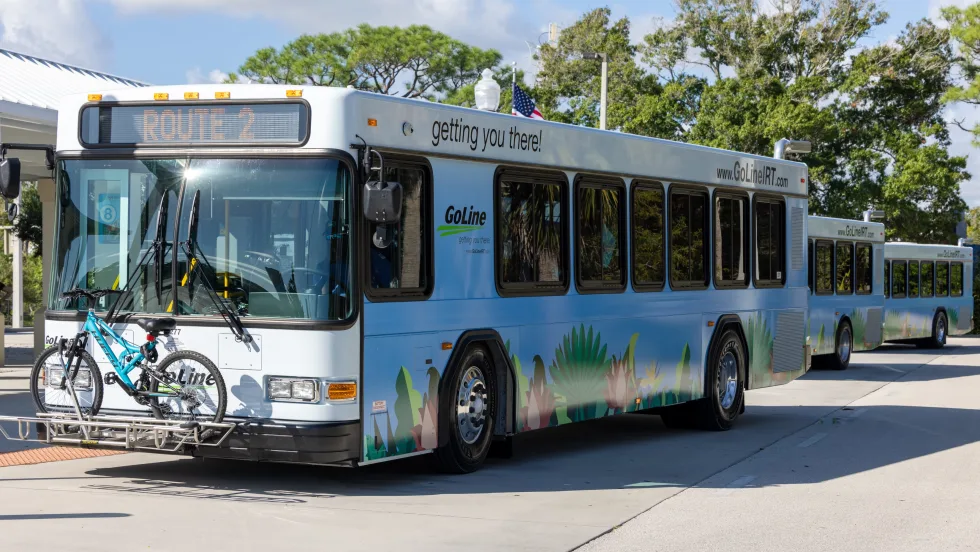
Indian River Transit’s Community-Focused Approach Earns National Recognition
Named APTA’s 2026 Outstanding Public Transportation System in its size category, Florida’s Indian River County transit system continues to grow ridership through fare-free service and a focus on evolving community needs.
Read More →
Everett Transit, Community Transit Outline Consolidation Agreement
The proposed agreement calls for a 50% increase in bus service in Everett, a new microtransit zone, continued paratransit service, and the transfer of Everett Transit operations to Community Transit.
Read More →
Driving Smarter Paratransit
John Hanlon shares how AlphaRoute is leveraging AI-powered technology to help paratransit providers optimize operations, support frontline staff, and enhance the rider experience.
Read More →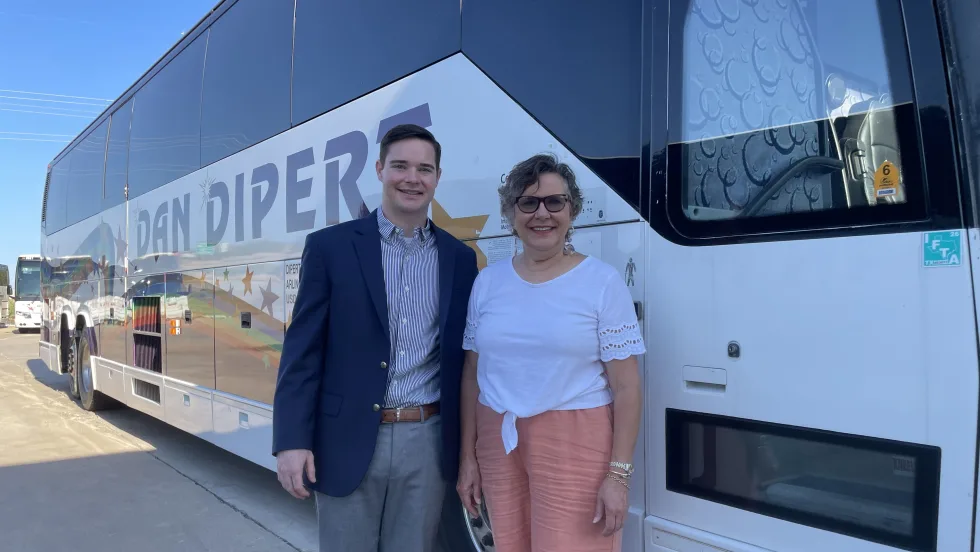
People Movement: Dan Dipert Coaches Adds Third-Generation Leader, Keolis Names New Valley Metro VP/GM, and More
In this edition, we also cover recent appointments and announcements at the Wabtec, SilverRide, HNTB, and more, showcasing the individuals helping to shape the future of transportation.
Read More →
Biz Briefs: RIPTA Unveils New Frontrunners, Clevland RTA Adds New Siemens, and More
In METRO's latest installment, we take a look at recent news from Siemens, Prevost, Dodge, and more partnerships making headlines across the transportation sector.
Read More →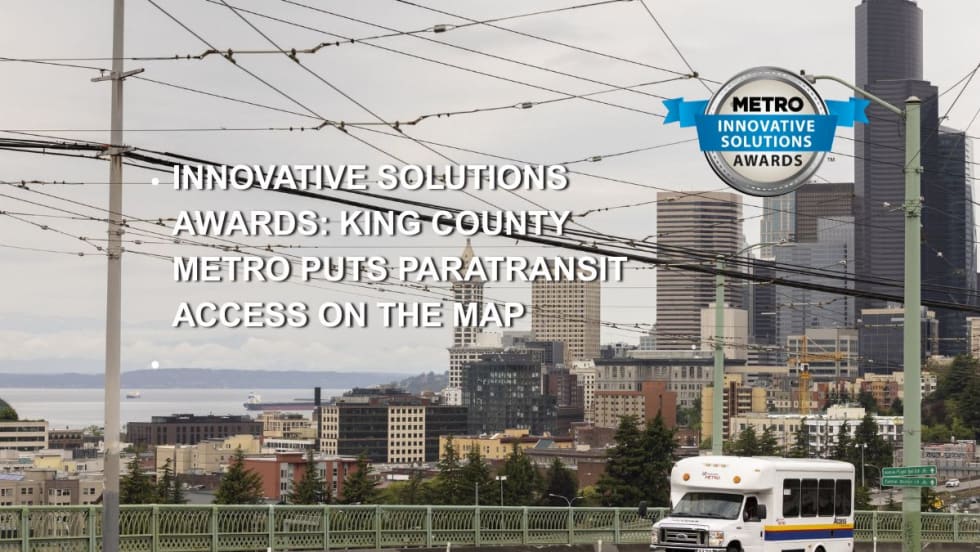
King County Metro Makes ADA Paratransit Easier to Navigate
METRO's Innovative Solutions Award winner replaces complex service-area descriptions with an accessible, interactive map that puts paratransit information directly in customers’ hands.
Read More →
Jacksonville’s NAVI Project Charts a New Course for Autonomous Public Transportation
Through its NAVI program, JTA is showing how autonomous vehicles, intelligent infrastructure, and coordinated operations can work together to deliver everyday public transportation.
Read More →
Driving Smarter Paratransit
John Hanlon shares how AlphaRoute is leveraging AI-powered technology to help paratransit providers optimize operations, support frontline staff, and enhance the rider experience.
Read More →