




N.Y. Gov. directs MTA to aggressively combat Zika Virus in subways
Will deploy larvicide tablets to standing water within the subway system to decrease the prevalence of potential breeding grounds for the albopictus mosquito.
August 3, 2016

4 min to read
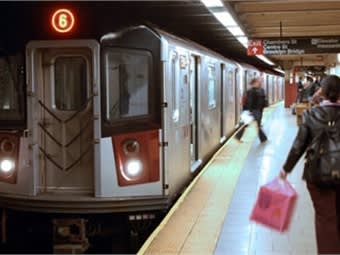
New York Gov. Andrew M. Cuomo announced a series of new aggressive initiatives to combat the Zika virus in New York State. At the Governor’s direction, the state Department of Health, in partnership with the MTA, is deploying larvicide tablets to standing water within the subway system to decrease the prevalence of potential breeding grounds for the albopictus mosquito.
In addition, the Department of Health will coordinate with all state agencies, including the State Office of Parks, Recreation and Historic Preservation, and the Department of Environmental Conservation, to ensure all measures possible are being taken to proactively address the situation. The state is also redoubling its efforts to protect New Yorkers from the virus — ramping up distribution of larvicide tablets to homeowners and providing more Zika protection kits to pregnant women at health and family planning centers and WIC programs across the state.
The new initiatives build on the Gov.’s previously announced comprehensive six-step plan to combat the Zika virus, including the launch of a statewide public awareness campaign, establishing a new rapid response team and requiring that county health departments submit Zika action plans to the state. New York City and the 57 other counties in New York have all received approval from the Department of Health on local Zika action plans. Additionally, more than 267 traps are monitored throughout New York State and 110,000 mosquitoes have been tested this year — all showing negative results for the virus.
“The Zika virus remains a dangerous public health threat, and New York State continues to pursue every possible measure to combat it,” Gov. Cuomo said. “By enlisting the cooperation of state agencies and New Yorkers, we are taking aggressive action to help reduce the prevalence of mosquito breeding grounds across the state and stop this disease at its source. As the Zika situation continues to evolve, we will remain vigilant and strengthen our prevention efforts to safeguard the public health and safety of all New Yorkers.”
As mosquitoes lay eggs in or near water, and their offspring “grow up” in water before emerging as adults that fly and bite, stagnant water serves as potential breeding ground for mosquitoes capable of transmitting the Zika virus. The state is taking aggressive action to apply larvicide tablets to standing water and reduce the risk of potential transmission of the virus.

beanhead4529
As part of the new effort, the state Department of Health, in partnership with the MTA, will target 36 priority locations to eliminate sources of standing water. The primary focus will be to increase drainage within the stations, while also deploying larvicide tablets as needed. Working with the MTA, the Department of Health will also put place new traps to monitor the mosquito population and ensure rigorous testing and reporting of the presence of the albopictus mosquito across the system.
The Zika virus is transmitted primarily by the Aedes aegypti mosquito in South and Central America. The virus can also be sexually transmitted. Although Aedes aegypti mosquitoes are not present in New York, a related species named Aedes albopictus is active in the downstate region. Scientists have not yet determined if Aedes albopictus — the type in New York — transmits Zika. There are 70 different species of mosquito in New York State and Aedes albopictus make up just three to 5% of the total population.
“With six million daily subway customers, the MTA takes public health concerns just as seriously as our operational safety,” said MTA Chairman and CEO Tom Prendergast. “Some 13 million gallons of water enters the subway system every day, from precipitation, intrusion of ground water and even the water we use to power clean platforms. But the serious threat of virus carrying mosquitos makes it even more important we have clean, functioning drains, and adequate pump equipment, aggressive inspection and pumping schedules to remove standing water. At Governor Cuomo’s direction, we are stepping up our efforts to clear standing water which could breed virus-carrying mosquitos, and to treat areas that might allow breeding so that our passengers can travel the subway system confident that we taking all necessary preventive steps to protect them.”
More Management

METRO Opens Submissions for 2026 Motorcoach Awards
Nominations are now being accepted for METRO Magazine’s Operator of the Year and Innovative Operator of the Year awards.
Read More →
New York MTA Advances Final Contract for Second Avenue Subway Expansion
Contract Four is the largest in the Second Avenue Subway Phase 2 project and includes construction of station infrastructure, tracks, and signals for the subway expansion, MTA officials said. Work on Contract Four will begin in 2027.
Read More →
Transit Agencies Highlight Safety Gains at National Summit
Leaders from 15 major transit systems shared crime-reduction results and safety initiatives while discussing the role of continued federal support.
Read More →

NITA Names New Leadership, Expands Reduced-Fare Program at First Board Meeting
The new regional transit authority appointed its first board chair and interim executive director while extending reduced fares across CTA, Metra, and Pace for eligible riders.
Read More →
Beyond the Checklist: A Structured Approach to Transit Maintenance
Reliability-Centered Maintenance helps transit agencies move beyond routine checklists to focus limited resources on the assets and failures that have the greatest impact on safety, reliability, and service.
Read More →
APTA 2026 Nominating Committee Selects Leadership Slate, Names Chair and Vice Chair Nominees
Leadership changes will help shape the association’s priorities and its representation of the transportation industry during the 2026–2027 term.
Read More →
DART Launches Major Security, Fare Enforcement Initiative
The 90-day demonstration will deploy coordinated security teams at five light rail stations while testing controlled access and gathering data to guide future investments.
Read More →
Sponsored•September 9, 2026
Advancing Fare Collection Through Technology and Innovation
Learn about delivering 1300 gates at 91 stations while managing fare evasion. Explore the large scale deployment, solution customization and real-world results that affect the region. Prepare for deployment in your region now.
Read More →
Game Day in Motion: Moving Millions During the 2026 World Cup
Between packed transit stations and team motorcoaches, see how agencies and operators across North America tackled the transportation demands of the 2026 FIFA World Cup.
Read More →
Surface Transportation Extension Averts Shutdown, Leaves Transit Funding Gap
The stopgap keeps federal transportation programs moving, but missing advance funding could complicate the transit and rail projects agencies are planning next.
Read More →