



N.Y. MTA unveils interactive touch-screen travel info stations
The sleek, stainless steel enclosure supports a large screen with a colorful display, offering customers information about their entire trip, from planning with Trip Planner, real-time service status, escalator and elevator status, and local neighborhood maps.

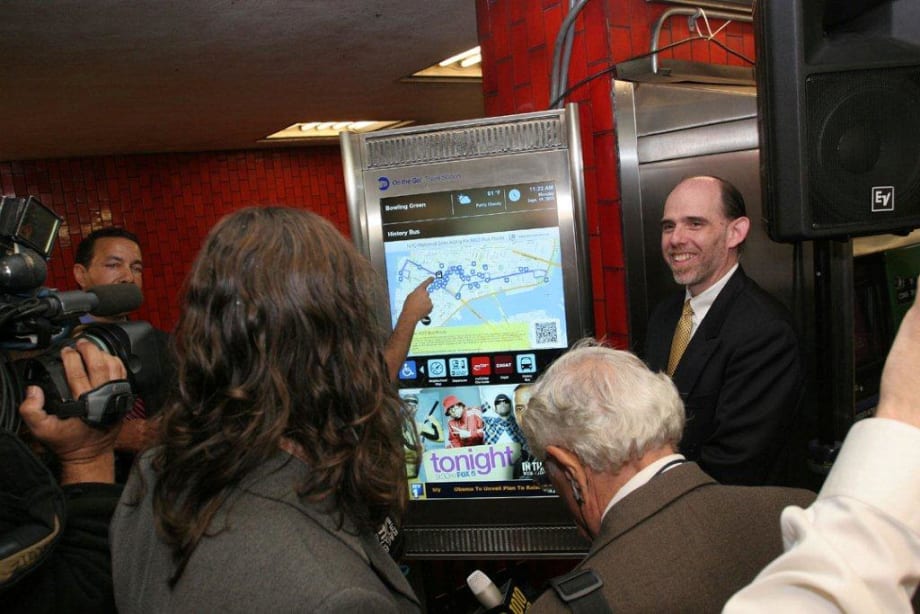
The On the Go! Travel Station — a new interactive touch-screen that offers New York Metropolitan Transportation Authority (MTA) travel information and more — was launched at the Bowling Green station (4 and 5 lines) as part of a pilot project that within the next few weeks will include a total of five subway stations and commuter rail hubs.
The sleek, stainless steel enclosure supports a large screen with a colorful display, offering customers information about their entire trip, from planning with Trip Planner, real-time service status, escalator and elevator status, and local neighborhood maps.
In addition, the MTA has partnered with third-party developers to include applications which provide additional information, such as local history, shopping and dining options nearby provided by third-party applications Zagat, myCitiapp and History Bus. As added features, the screens will provide news and weather information.
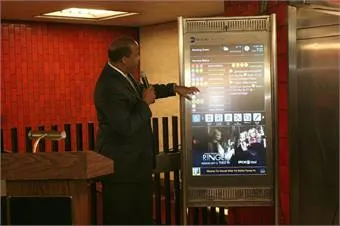
On the Go! utilizes Cisco's Interactive Services Solution, a flexible and scalable platform that enables digital interactions through rich media, live video, real-time information and user-friendly management tools.
On the Go! can be customized for a specific location and by time of day. For example, at the Penn Station Travel Station, during the morning, the screen will default to subway information and in the evenings it will default to LIRR service. All content is remotely managed from a secure Web-based management system and applications can be changed or updated as needed.
Depending on customer acceptance and success of the pilots, On the Go! may eventually be installed in stations throughout the system. It is anticipated that the On the Go! Travel Stations will generate significant advertising income, which would help to defray the costs of installation.
More Bus

Bus Tech Talk: Keeping Transit Technicians Ahead of the Technology Curve
LA Metro’s Obed Mejia discusses technician training, evolving maintenance technology, fleet replacement, and strategies for getting the most out of today’s transit fleets.
Read More →
Biz Briefs: RIPTA Unveils New Frontrunners, Clevland RTA Adds New Siemens, and More
In METRO's latest installment, we take a look at recent news from Siemens, Prevost, Dodge, and more partnerships making headlines across the transportation sector.
Read More →
People Movement: Holly Arnold Joins Transdev and More
In this edition, we also cover recent appointments and announcements at Pace, CamTran, MCI, and more, showcasing the individuals helping to shape the future of transportation.
Read More →
The High Cost of Transit Buses: Industry Leaders Look to Procurement Reform
Transit leaders and policymakers examine how standardized bus designs, streamlined procurement, and predictable funding could help agencies stretch budgets and deliver better service.
Read More →
The Business Voice Behind Public Transportation
As chair of APTA’s Business Members Board of Governors, Ray Melleady explains how more than 850 business members are partnering with transit agencies to advance funding, innovation, and industry-wide collaboration.
Read More →
From Surviving to Thriving: Building Stronger Transportation Organizations
Bus Business Consultants founder Brian Dickson shares lessons on leadership, organizational health, and creating options for long-term success in a changing transportation industry.
Read More →
Finding the ‘Happy Medium’: Optimizing Maintenance Without Sacrificing Reliability
The key to maintenance optimization isn’t doing less work—it’s doing the right work at the right time on the right assets.
Read More →
LA Metro, City of West Hollywood, and Partners Advance Smarter Bus Lane Enforcement
The award-winning partnership combines AI-powered detection with human oversight to improve bus reliability, accessibility, and enforcement efficiency.
Read More →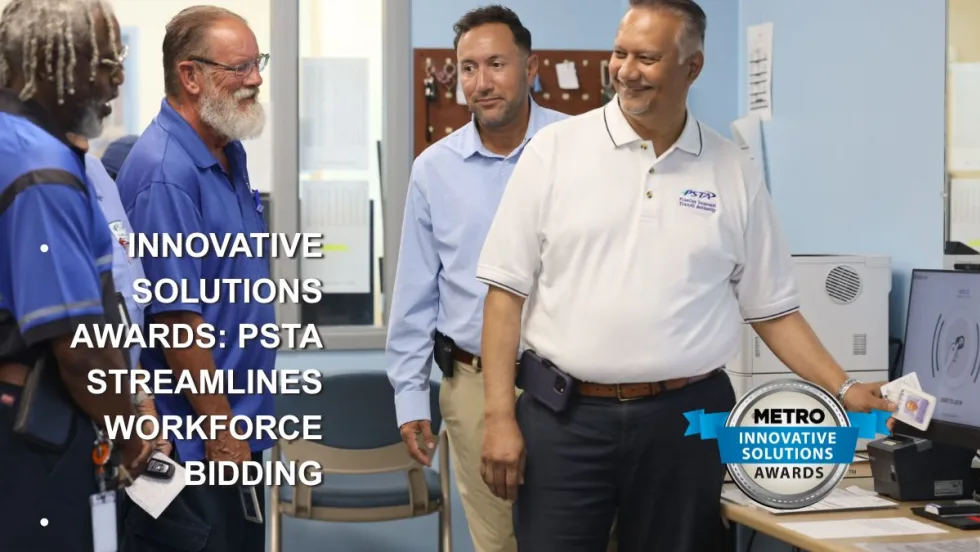
PSTA Modernizes Workforce Management with Digital Bidding System
The award-winning Workforce Transit Modernization project replaced paper bidding with a transparent digital platform, cutting administrative effort while improving access for operators.
Read More →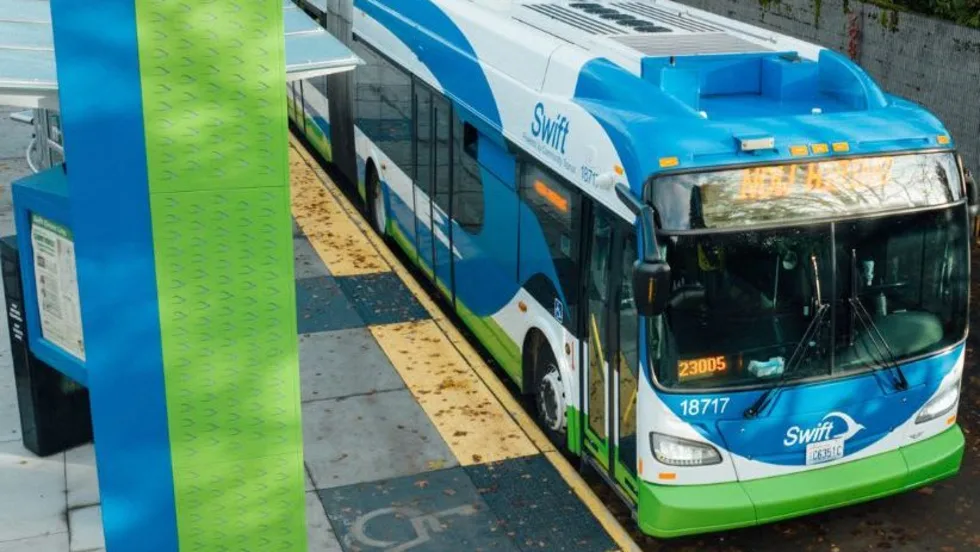
Washington's Community Transit Sets Six-Year Roadmap for Growth, Expansion
Approved TDP targets more bus service, new mobility options, Swift BRT expansion, and a potential Everett Transit annexation.
Read More →