



Nashville's AMP BRT program gets Fed go ahead
MTA was notified late last week it provided sufficient information to enter the project development phase as outlined under FTA’s Small Starts grants program.

The Federal Transit Administration (FTA) gave the green light to officials at the Nashville Metro Transit Authority (MTA) on their quest to pursue federal funding for Nashville Mayor Karl Dean’s proposed Amp bus rapid transit (BRT) project, which will connect East and West Nashville.
MTA was notified late last week it provided sufficient information to enter the project development phase as outlined under FTA’s Small Starts grants program. Successfully completing project development will put the Amp on track to be recommended for up to $75 million in federal funding.
“This is a major step forward for the Amp,” Mayor Dean said. “Being accepted into project development is essentially the FTA saying we’re on the right track with our project and they want to help us get to a point where it can be recommended for federal funding. We have been planning this project since 2009, and this is evidence that the FTA is pleased with the steps we’ve been taking and the process we’re going through.”
Earlier this year, the Metro Council approved $7.5 million in Mayor Dean’s FY 2014 capital spending plan to cover the next stage of engineering for the Amp, with those funds contingent on acceptance into project development. The funds will now be available to MTA to complete final design and engineering. Once the work is completed, another series of community meetings will be held to continue to seek public input on the plans.
Ultimately, the project details will be submitted to FTA in an application for the federal funding to cover a substantial portion of the project’s cost.
In the letter to the transit authority, FTA outlined the project’s next steps and recognized that many of them have already been completed by MTA. For example, the MTA board and city leaders have already selected the “locally preferred alternative” or transit mode – BRT. Plus, it has been adopted into the region’s long range transportation plan as required.
The designation of project development gives MTA and the city “pre-award authority” to incur costs for activities prior to the approval of federal dollars for the Amp. The FTA letter outlines what type of activities may be completed for reimbursements, such as final design and engineering. Other activities, such as work for evaluating utility relocation needs and real property acquisition, are listed as well.
The Amp will be Nashville’s first full service BRT system with dedicated transit lanes. The 7.1 mile route will stretch from Five Points in East Nashville to St. Thomas West Hospital.
It will function much like light rail or a subway with off-board ticketing, real-time travel information and sleek rapid transit vehicles with double doors that open at level with station platforms to allow multiple passengers to board at once.
“The goal of this project is to change the way people in Nashville use public transit in our city by making it a real alternative to a car,” said Paul J. Ballard, CEO for MTA and the Regional Transportation Authority. “Residents in all parts of the city and region will benefit from this project. If we can make the first full-service BRT line with dedicated lanes successful, then we can expand the concept to other areas, and that is our ultimate goal.”
In East Nashville, the Amp station will be near East Nashville Magnet School on 10th Street. Amp vehicles will travel on Main Street to Woodland Street, stop at the LP Field station near the existing Park & Ride, go over the Woodland Street Bridge to 5th Avenue North next to the Music City Central downtown transit station, travel down 5th Avenue North to Church Street, and on to Broadway/West End making stops at stations near the Frist Center, The Gulch, Vanderbilt University, Centennial Park, Acklen Park, Elmington Park, Cherokee Park and St. Thomas West Hospital.
More Bus
Biz Briefs: New Flyer Delivers in Columbus, Houston, Beep and Freebee Merge, and More
In this edition of Biz Briefs, we spotlight the latest developments shaping the future of mobility.
Read More →
People Movement: Dan Dipert Coaches Adds Third-Generation Leader, Keolis Names New Valley Metro VP/GM, and More
In this edition, we also cover recent appointments and announcements at the Wabtec, SilverRide, HNTB, and more, showcasing the individuals helping to shape the future of transportation.
Read More →
New York MTA Plans Largest Bus Fleet Upgrade in More Than a Decade
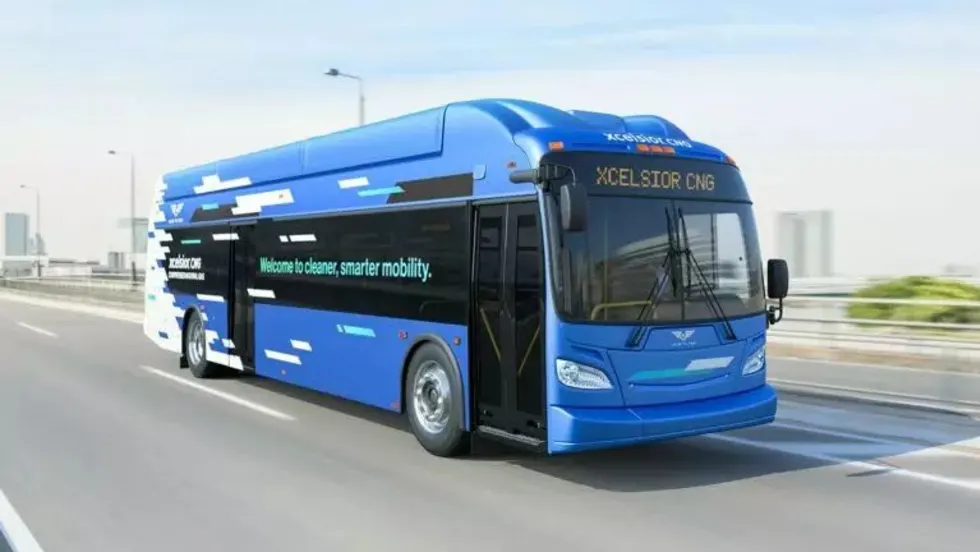
The agency is seeking manufacturers for 650 new CNG buses to replace aging vehicles, improve reliability, and advance its broader fleet modernization strategy.
Read More →
Building a Flexible Path to Transit Electrification
John Hroncich discusses BAE Systems’ modular and scalable approach, lessons learned from decades of real-world operations, and how agencies can identify electrification strategies that fit their fleets.
Read More →
Bus Tech Talk: Keeping Transit Technicians Ahead of the Technology Curve
LA Metro’s Obed Mejia discusses technician training, evolving maintenance technology, fleet replacement, and strategies for getting the most out of today’s transit fleets.
Read More →
Biz Briefs: RIPTA Unveils New Frontrunners, Clevland RTA Adds New Siemens, and More
In METRO's latest installment, we take a look at recent news from Siemens, Prevost, Dodge, and more partnerships making headlines across the transportation sector.
Read More →
People Movement: Holly Arnold Joins Transdev and More
In this edition, we also cover recent appointments and announcements at Pace, CamTran, MCI, and more, showcasing the individuals helping to shape the future of transportation.
Read More →
The High Cost of Transit Buses: Industry Leaders Look to Procurement Reform
Transit leaders and policymakers examine how standardized bus designs, streamlined procurement, and predictable funding could help agencies stretch budgets and deliver better service.
Read More →
The Business Voice Behind Public Transportation
As chair of APTA’s Business Members Board of Governors, Ray Melleady explains how more than 850 business members are partnering with transit agencies to advance funding, innovation, and industry-wide collaboration.
Read More →
From Surviving to Thriving: Building Stronger Transportation Organizations
Bus Business Consultants founder Brian Dickson shares lessons on leadership, organizational health, and creating options for long-term success in a changing transportation industry.
Read More →