



National parks receive $25M for public transportation
National parks, forests, and wildlife refuges in 20 states will receive funds from the Paul S. Sarbanes Transit in Parks Program to implement public transportation within the facilities.

Visitors will have a greater number of options for getting around in America’s national parks and on other public lands, thanks to $24.8 million in federal funding announced on Tuesday by the Federal Transit Administration (FTA).
National parks, forests and wildlife refuges in 20 states will receive funds from the Paul S. Sarbanes Transit in Parks Program to implement public transportation within the facilities.
“As Franklin Roosevelt said, ‘There is nothing so American as our national parks,’” said U.S. Transportation Sec. Ray LaHood. “The national parks are American treasures, and Transit in Parks funding will make these national treasures more accessible and enjoyable to everyone.”
The U.S. National Park Service, the U.S. Forest Service, and the U.S. Fish and Wildlife Service will receive funds for 46 projects ranging from new diesel buses at Yosemite National Park in California to ferry improvements at Gulf Island National Seashore in Florida, and visitor shuttle buses in Mount Rainier National Park to bus stop improvements in Arcadia National Park in Maine.
Funding to federal land management agencies is administered through reimbursable interagency agreements, and funding to state, local, and tribal recipients is administered like any other FTA grant.
“By reducing traffic, Transit in Parks will help preserve the splendor of the national parks experience and protect our country’s natural resources,” said FTA Administrator Peter Rogoff. “The program also improves visitor mobility and ensures access to all, including persons with disabilities.”
Congress established the Paul S. Sarbanes Transit in Parks Program to enhance the protection of national parks and federal lands and increase the enjoyment of those visiting them.
Administered by the FTA in partnership with the Department of the Interior and the Forest Service, the program funds capital and planning expenses for alternative transportation systems, such as shuttle buses and bicycle trails in national parks and public lands. The goals of the program are to conserve natural, historical and cultural resources, and reduce congestion and pollution.
A complete list of projects and their descriptions can be found at Transit in Parks Summaries.
More Bus
Brian Dickson on Building Stronger, More Resilient Transportation Organizations
Bus Business Consultants Founder Brian Dickson discusses the leadership principles, operational discipline, and strategic planning that separate transportation companies positioned for long-term success from those stuck in survival mode.
Read More →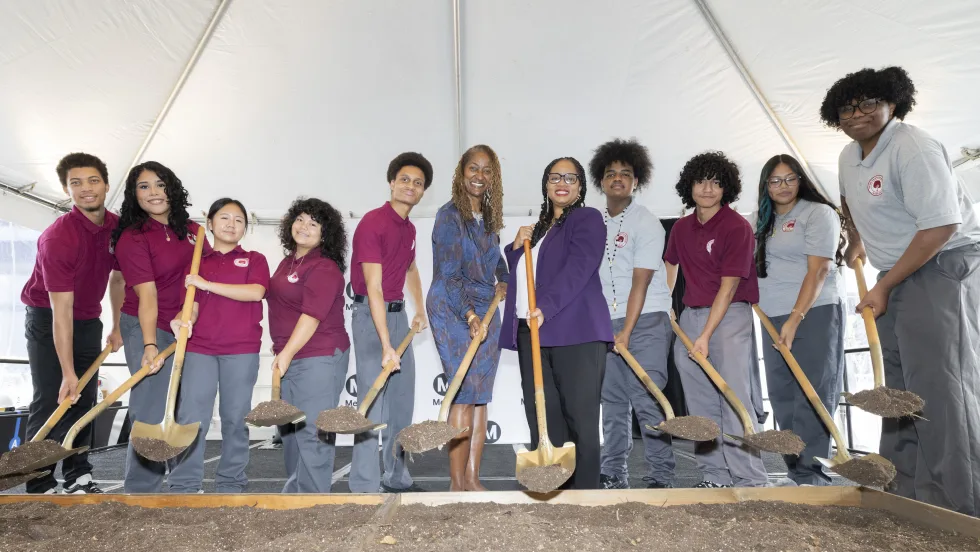
LA Metro Breaks Ground on Vermont BRT Project
The 12.4-mile corridor is projected to serve 66,200 daily riders, reduce travel times by up to 24%, and create the nation's busiest bus rapid transit corridor.
Read More →
Roman Cornell on ABC Companies’ Evolution and the Future of Passenger Transportation
The company’s CEO discusses carrying forward a third-generation family legacy, ABC’s continued evolution in passenger transportation, support for increasingly complex fleets, and how technology and continued investment could help operators improve uptime.
Read More →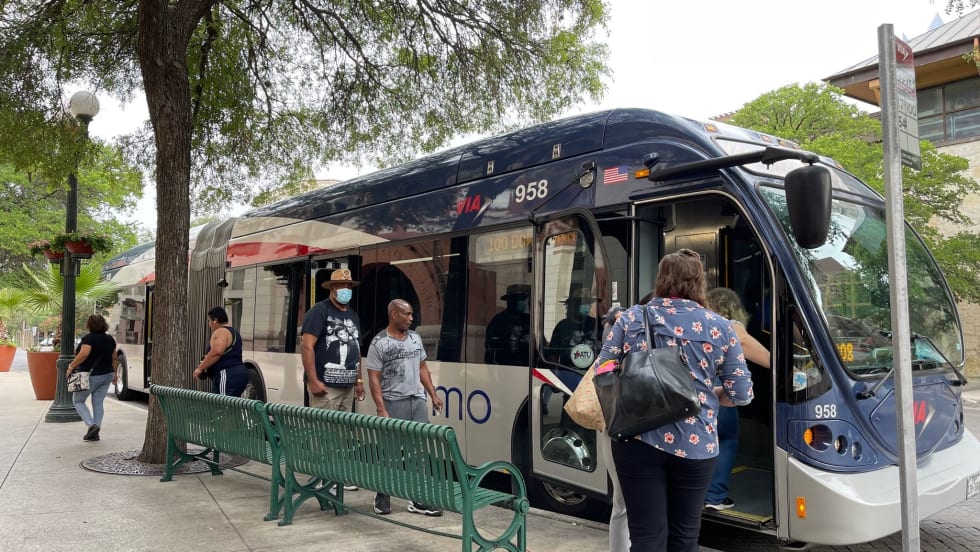
VIA Bus Ridership Grows 10.1% Through August 2026
San Antonio's VIA Metropolitan Transit reported the highest bus ridership growth among major Texas transit systems. Federal Transit Administration data ranked it second among the nation's 50 largest transit systems.
Read More →
LA Metro September Ridership Climbs 3.9%, Led by Rail Growth
The agency recorded more than 27.2 million boardings, with rail ridership increasing 12.4% year over year and the D Line posting the largest gains.
Read More →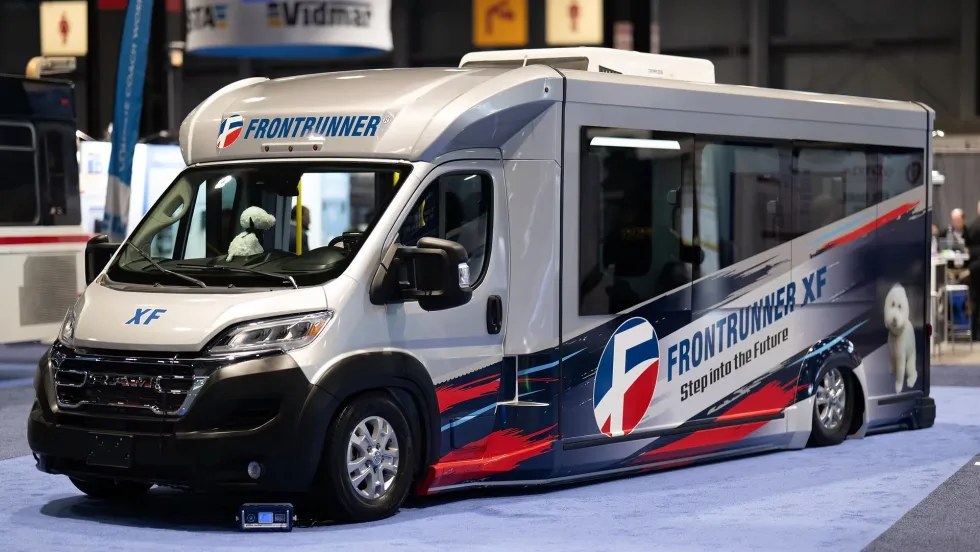
Frontrunner Bus Group Introduces XF Low-Floor Bus with Enhanced Accessibility
The new mid-sized bus features a full flat-floor design, eight-inch curbside step-in height, and zero-entry rear ramp to improve passenger access and operational flexibility.
Read More →
Scenes from APTA TRANSform & EXPO 2026
Transit leaders, manufacturers, and industry professionals gathered in Chicago to explore new technologies, share ideas, and discuss the future of public transportation.
Read More →
More Than a Summer Job: Building the Next Generation of Transit Talent
The Delaware River Port Authority and PATCO have transformed their internship program into a hands-on professional development experience that introduces students to the breadth of transportation careers — and creates a pipeline for future employees.
Read More →
LA Metro Board Awards 220 Battery-Electric Bus Contract to ENC
The contract, which is the largest base award of battery-electric buses by a U.S. transit agency, will be built in Southern California, sustaining good jobs as LA prepares to welcome the world in 2028
Read More →
Public Transit Conference Returning to GFX in 2027, Call for Papers Now Open
The Call for Papers is now open, allowing transit agency professionals and industry experts to help shape the PTC educational program by submitting session ideas for consideration.
Read More →