




RELATED: UTA breaks ground on new bus operations, maintenance, admin. facility
New dispatch system gives 'ready window' to UTA paratransit users
This new program eliminates the guesswork for riders, allowing them to walk outside right as the bus arrives.
January 15, 2019
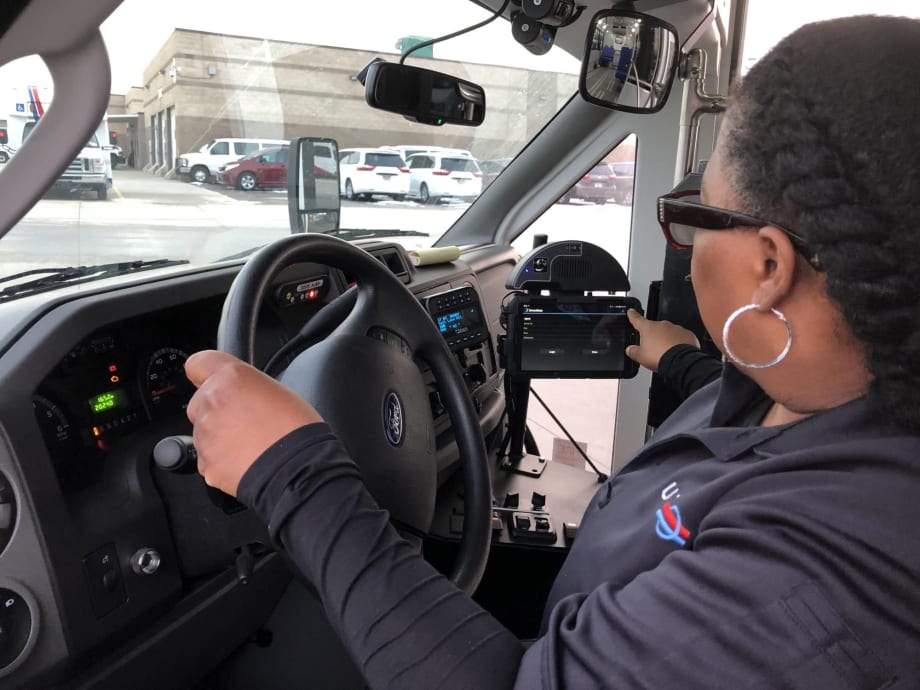
Utah Transit Authority paratransit operator Netta Jackson checks the new dispatching system. Photo: UTA
2 min to read
Utah Transit Authority paratransit operator Netta Jackson checks the new dispatching system. Photo: UTA
A new dispatching program is improving Utah Transit Authority’s (UTA) paratransit service. UTA now offers a free call-ahead option that notifies paratransit passengers when their bus is just a few minutes away from their location.
The program means less time paratransit passengers need to spend waiting outside in hot or cold weather, according to the agency. Paratransit passengers are given a “ready window,” meaning that their bus could come as much as 10 minutes before or 20 minutes after its assigned time. This new program eliminates the guesswork for riders, allowing them to walk outside right as the bus arrives.
The call-ahead program is designed to accommodate passengers with various communication needs. Paratransit passengers can choose to receive the alerts by phone or email. Soon, passengers can opt in to a text notification service, which will have a small fee to cover texting costs.
UTA’s call-ahead service is available free-of-charge to any rider who is eligible to use paratransit services. Riders should note that the call is automatically triggered when the bus reaches a specific point along its route. Typically this is five minutes before the scheduled arrival time, but that time is dependent on a variety of computer issues and may vary slightly.
UTA is also improving service to paratransit riders with a new system that provides paratransit dispatchers with real-time data.
Dispatchers can now verify bus pick-up and drop-off times, track the progress of vehicles and anticipate early or late arrivals.
If a bus is running late, dispatchers can make immediate changes in the schedule to better serve customers.
If a passenger cancels a trip or a bus has mechanical issues, the dispatcher can immediately adjust other paratransit trips to account for the change.
The new system has resulted in improved communication between operators and dispatchers, reduced wait time for riders and more positive feedback. Since the implementation of the new system, bus operator concerns have decreased from 10 per day to one or two per day, said UTA Special Services Scheduling Supervisor Angela Haylock. Customer commendations have gone from 80 in 2017 to more than 120 in 2018.
“I think we’re doing a better job as far as educating ourselves,” Haylock said. “We’re better at understanding the service that we’re providing, thanks to the live data.”
More Paratransit

Driving Smarter Paratransit
John Hanlon shares how AlphaRoute is leveraging AI-powered technology to help paratransit providers optimize operations, support frontline staff, and enhance the rider experience.
Read More →
People Movement: Dan Dipert Coaches Adds Third-Generation Leader, Keolis Names New Valley Metro VP/GM, and More
In this edition, we also cover recent appointments and announcements at the Wabtec, SilverRide, HNTB, and more, showcasing the individuals helping to shape the future of transportation.
Read More →
Biz Briefs: RIPTA Unveils New Frontrunners, Clevland RTA Adds New Siemens, and More
In METRO's latest installment, we take a look at recent news from Siemens, Prevost, Dodge, and more partnerships making headlines across the transportation sector.
Read More →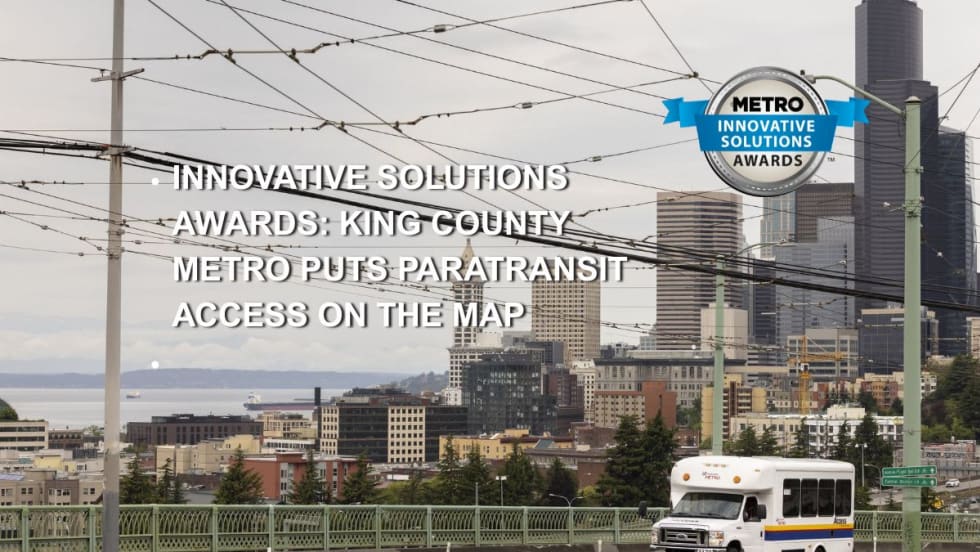
King County Metro Makes ADA Paratransit Easier to Navigate
METRO's Innovative Solutions Award winner replaces complex service-area descriptions with an accessible, interactive map that puts paratransit information directly in customers’ hands.
Read More →
Jacksonville’s NAVI Project Charts a New Course for Autonomous Public Transportation
Through its NAVI program, JTA is showing how autonomous vehicles, intelligent infrastructure, and coordinated operations can work together to deliver everyday public transportation.
Read More →
Driving Smarter Paratransit
John Hanlon shares how AlphaRoute is leveraging AI-powered technology to help paratransit providers optimize operations, support frontline staff, and enhance the rider experience.
Read More →
METRO Magazine Announces 2026 Innovative Solutions Awards Winners
Projects Recognized for Advancing Mobility Through Technology, Accessibility, Workforce Innovation, and Operational Excellence
Read More →
Biz Briefs: STV teams with Amtrak, Motorcoach Operators Boost Fleet and Land Contracts, and More
From manufacturers and suppliers to transit agencies and motorcoach operators, these updates offer a snapshot of the projects, partnerships and business moves driving the industry forward.
Read More →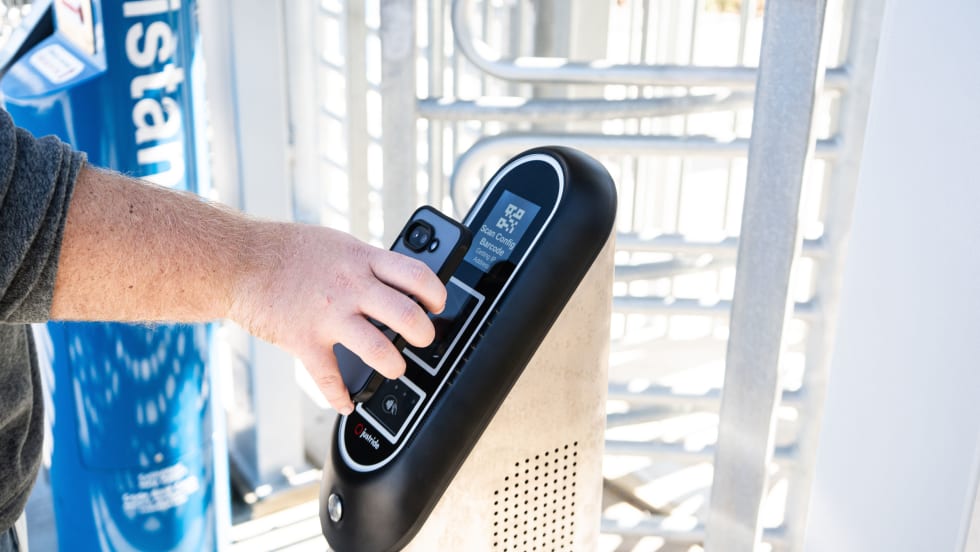
Biz Briefs: Masabi Teams with St. Louis Metro and More
In METRO's latest installment, we take a look at recent news from Transdev, Hitachi, and more partnerships making headlines across the transportation sector.
Read More →
New York MTA Leverages Zoning Program to Advance Station Accessibility
Accessibility enhancements at Nevins St Station will be financed through a development agreement tied to the MTA's Zoning for Accessibility initiative.
Read More →