



New FTA Directive Requires Transit Agencies to Address Transit Worker Assaults
The General Directive, the first one to be issued by FTA, will require more than 700 transit agencies nationwide to take action to protect frontline transit workers from the risk of assaults.

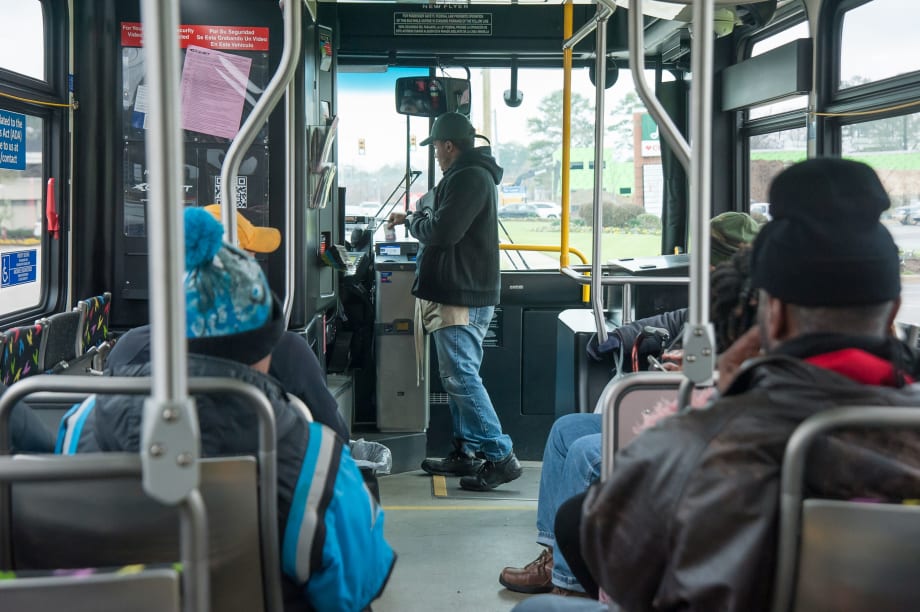
The General Directive is necessary because from 2013 to 2021, the National Transit Database (NTD) documented a 120% increase in the number of assaults against transit workers.
Photo: Michael Dantzler
As part of the Biden-Harris Administration's commitment to protecting America's frontline transit workers from assault, the Federal Transit Administration (FTA) announced General Directive 24-1: Required Actions Regarding Assaults on Transit Workers.
The General Directive, the first one to be issued by FTA, will require more than 700 transit agencies nationwide to take action to protect frontline transit workers from the risk of assaults.
"Frontline transit workers keep our nation moving every day, and the Biden-Harris Administration is making sure they have the safe workplace they deserve," said U.S. Transportation Secretary Pete Buttigieg. "The General Directive we are announcing today will build on previous actions we have taken to address the unacceptable level of assaults on transit workers and further protect these essential employees as they perform their important jobs."
FTA’s New General Directive
General Directive 24-1 requires every transit agency subject to FTA's Public Transportation Agency Safety Plans (PTASP) regulation to do the following:
Conduct a risk assessment of assaults on the agency’s transit workers, specifically on transit vehicles and facilities, using the Safety Management System processes outlined in its Agency Safety Plan.
If a transit agency has determined it has an unacceptable level of risk of assaults on transit workers, it must identify strategies to mitigate that risk and improve transit worker safety.
Every transit agency serving a large, urbanized area (with a population of more than 200,000 people) must comply with PTASP requirements to involve the joint labor-management Safety Committee when identifying safety risk mitigations and strategies.
Each transit agency must provide information to FTA within 90 days on the risk level identified in its system, how it is mitigating those risks, and how it is monitoring the safety risk associated with assaults on transit workers.
The General Directive is necessary because from 2013 to 2021, the National Transit Database (NTD) documented a 120% increase in the number of assaults against transit workers.
"No American should go to work and worry they will not return home safely," said FTA Deputy Administrator Veronica Vanterpool. "That is particularly true for the transit workers who were valuable frontline workers in our nation’s time of need. Transit workers experienced a significant increase in assaults over the years, which is unacceptable. This is just one step as FTA seeks to improve transit worker safety. We will continue to take action to ensure that our nation’s transit workers are safe and secure while running our nation’s trains, buses, and transit facilities."
Continuing to Boost Worker Safety
Today's action builds upon previous steps by the Biden-Harris Administration to strengthen transit worker safety:
2021:Request for Information (RFI) on Transit Worker Safety and the safety risk related to assaults on transit workers.
2022: Special Directives on Required Actions Regarding Transit Worker Assault issued to nine transit agencies, accounting for 79% of all assaults on transit workers.
2024: Updated PTASP regulation to strengthen transit worker safety, including new measures to assess the risk of assaults and involving joint labor-management Safety Committees to develop mitigations and strategies.
More Security and Safety

Transit Agencies Highlight Safety Gains at National Summit
Leaders from 15 major transit systems shared crime-reduction results and safety initiatives while discussing the role of continued federal support.
Read More →
DART Launches Major Security, Fare Enforcement Initiative
The 90-day demonstration will deploy coordinated security teams at five light rail stations while testing controlled access and gathering data to guide future investments.
Read More →
RTD Launches NextRide App to Consolidate Trip Planning, Fares, Security Reporting
The app expands on RTD’s existing NextRide web application and allows customers to view real-time vehicle locations and service alerts, purchase and store digital fares, and access customer support.
Read More →

TAPTCO Updates OSHA Compliance Training for Transit Maintenance Operations
The revamped program addresses 26 OSHA standards for maintenance facilities, with TAPTCO pointing to training, documentation, and everyday shop hazards as continuing challenges for transit operations.
Read More →
How VaporVision Adds Value to Transit Door Systems
Wabtec engineers explain how the system improves doorway detection, strengthens diagnostics and gives transit agencies and OEMs greater operating flexibility.
Read More →
FRA Announces $5.3B in Rail Investments, Including $2B for Amtrak
Funding will support grade-crossing improvements, infrastructure upgrades, and new Amtrak equipment in 23 states.
Read More →
Chicago, Maryland Expand Non-Law-Enforcement Safety, Rider Support
The CTA and MTA are launching new programs aimed at de-escalation, crisis response, rider assistance, and greater transparency.
Read More →
LA Metro, City of West Hollywood, and Partners Advance Smarter Bus Lane Enforcement
The award-winning partnership combines AI-powered detection with human oversight to improve bus reliability, accessibility, and enforcement efficiency.
Read More →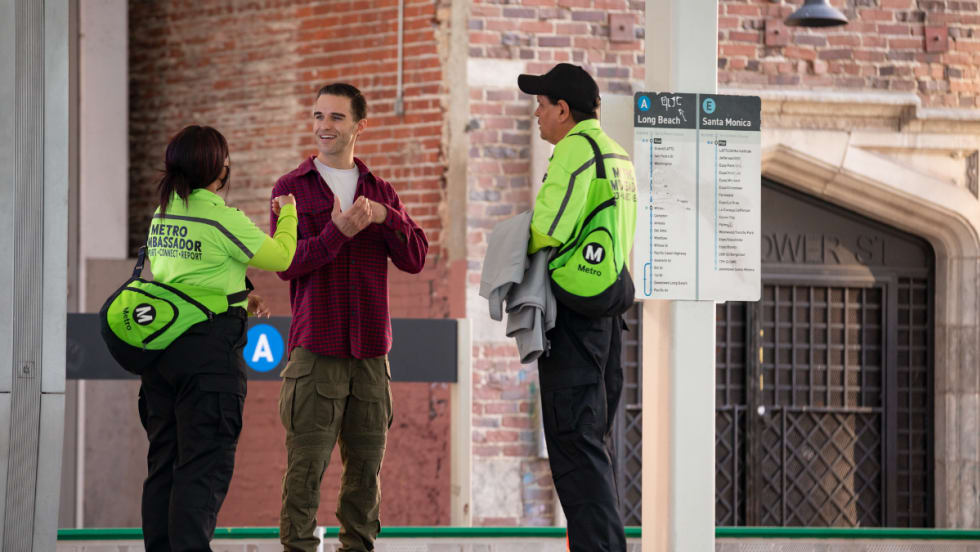
LA Metro Reports 57% Decline in Homelessness on Transit System Since 2024
The agency's latest homelessness count offers new data on how care-based services and cross-sector partnerships can complement traditional transit security strategies.
Read More →
FTA Launches 'Transit Moves America' Dashboard to Highlight Agency Safety and Performance
The online dashboard transforms National Transit Database information into a public-facing resource that allows users to compare transit agencies on key operational and safety metrics.
Read More →