



NJ Transit posts “Scorecard’ survey results online
Customers rated their overall satisfaction with the service as “acceptable” or “satisfactory,” with a score of 5.2. Approximately 67 percent said they would recommend NJ Transit to a friend or relative, and 63 percent choose to use NJ Transit, even though they have a personal vehicle available.

NJ Transit revealed the results of the agency’s first customer satisfaction survey as part of “Scorecard,” an initiative designed to provide the public with a clear measurement of how the transit system is performing.
The surveys, which were conducted online at njtransit.com and in the field this spring, asked bus, rail, light rail and Access Link customers to rate NJ Transit on a scale of 0 to 10, where 0 is unacceptable, 5 is acceptable and 10 is excellent.
Customers considered 32 attributes of the system related to facilities, service, vehicles, communications and the overall experience of using the system. In addition, customers were asked to identify the three most important aspects of NJ Transit service among the items they rated.
Of the approximately 428,000 customers who use NJ Transit service on a typical weekday, nearly 19,000 responded to the online and field survey.
Customers rated their overall satisfaction with the service as “acceptable” or “satisfactory,” with a score of 5.2. Of the customers surveyed, approximately 67 percent said they would recommend NJ Transit to a friend or relative, and 63 percent choose to use NJ Transit, even though they have a personal vehicle available to make their trip, acknowledging that they make a conscious decision to use NJ Transit service as their preferred method of transportation.
Customer satisfaction ratings on NJ Transit’s four service modes include:
Bus customers rated their overall satisfaction with service at a 5.5 and noted on-time performance, fares and the weekday evening schedule as the most important areas for the system to improve. Nearly 261,000 people use the interstate and local bus system on a typical weekday, representing 61 percent of all NJ Transit’s customers.
Rail customers gave NJ Transit an overall score of 4.5, ranking on-time performance, fares, mechanical reliability and the handling of service disruptions as the most important items for the system to improve. Approximately 132,000 customers ride NJ Transit trains on a typical weekday, comprising about 31 percent of all the system’s customers.
Light rail customers gave NJ Transit an overall satisfaction rating of 6.5, indicating that fares, security and seating availability are the most important aspects of service to improve. About 33,000 customers use the system’s three light rail lines on a typical weekday, making up about eight percent of total NJ Transit customers.
Access Link, NJ Transit’s paratransit service for customers with disabilities, was given an overall rating of 7.5 and serves approximately 3,000 customers on a typical weekday.
Detailed survey results are available here.
More Paratransit

Biz Briefs: RIPTA Unveils New Frontrunners, Clevland RTA Adds New Siemens, and More
In METRO's latest installment, we take a look at recent news from Siemens, Prevost, Dodge, and more partnerships making headlines across the transportation sector.
Read More →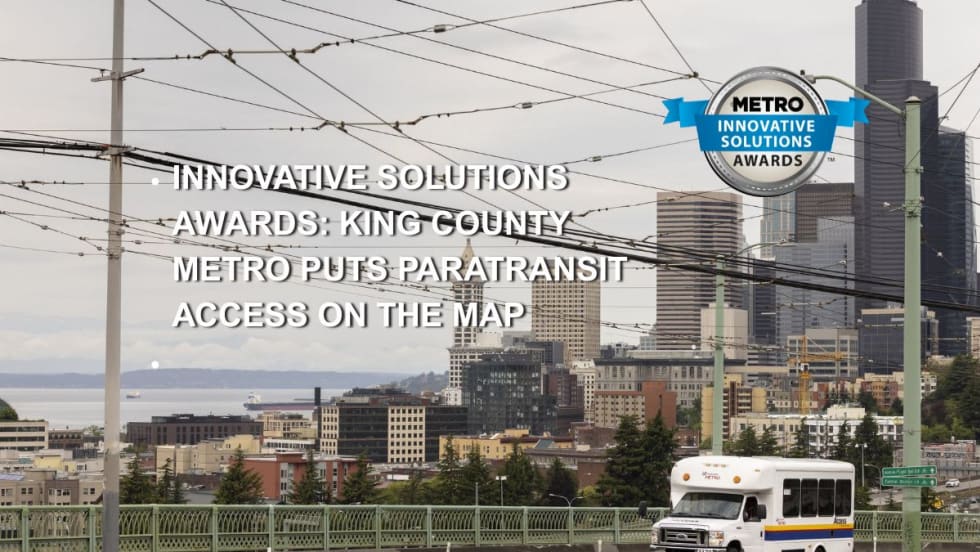
King County Metro Makes ADA Paratransit Easier to Navigate
METRO's Innovative Solutions Award winner replaces complex service-area descriptions with an accessible, interactive map that puts paratransit information directly in customers’ hands.
Read More →
Jacksonville’s NAVI Project Charts a New Course for Autonomous Public Transportation
Through its NAVI program, JTA is showing how autonomous vehicles, intelligent infrastructure, and coordinated operations can work together to deliver everyday public transportation.
Read More →
Driving Smarter Paratransit
John Hanlon shares how AlphaRoute is leveraging AI-powered technology to help paratransit providers optimize operations, support frontline staff, and enhance the rider experience.
Read More →
METRO Magazine Announces 2026 Innovative Solutions Awards Winners
Projects Recognized for Advancing Mobility Through Technology, Accessibility, Workforce Innovation, and Operational Excellence
Read More →
Biz Briefs: STV teams with Amtrak, Motorcoach Operators Boost Fleet and Land Contracts, and More
From manufacturers and suppliers to transit agencies and motorcoach operators, these updates offer a snapshot of the projects, partnerships and business moves driving the industry forward.
Read More →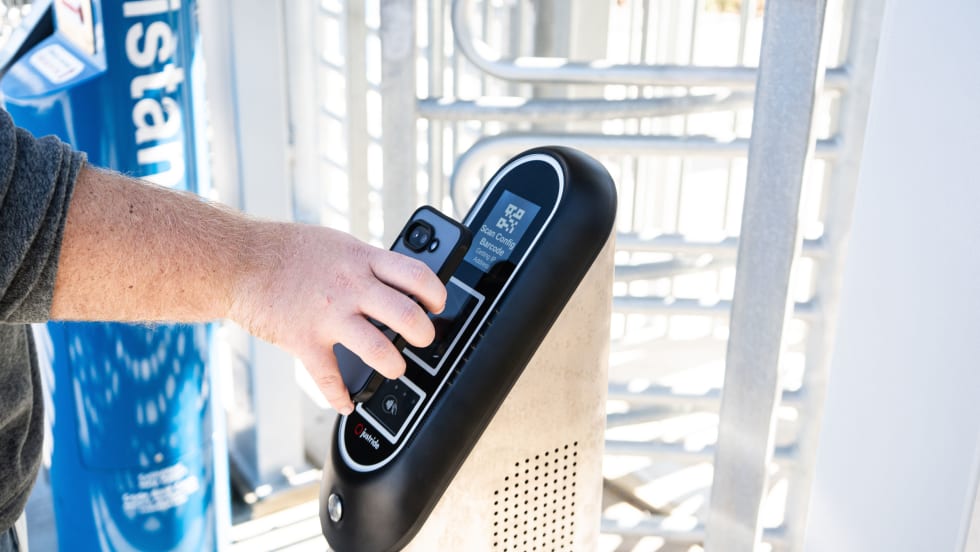
Biz Briefs: Masabi Teams with St. Louis Metro and More
In METRO's latest installment, we take a look at recent news from Transdev, Hitachi, and more partnerships making headlines across the transportation sector.
Read More →
New York MTA Leverages Zoning Program to Advance Station Accessibility
Accessibility enhancements at Nevins St Station will be financed through a development agreement tied to the MTA's Zoning for Accessibility initiative.
Read More →
Reinventing Fleet Maintenance with Real-time Visibility and AI
Transit leaders need to know what needs fixing, where to look, who is responsible, when work is completed, and what it costs without having to chase information across disconnected systems.
Read More →
SamTrans Sets Priorities for Potential Connect Bay Area Revenue
The board-approved framework allocates future funding to maintaining service, rider improvements, equity initiatives, and infrastructure repairs.
Read More →