




RELATED: NTSB calls on Amtrak to record and review crewmember actions
NJ Transit to equip trains with Apollo Video inward-facing cameras
New inward facing cameras will record personnel operating trains, and according to the NTSB these recordings can prevent accidents by identifying safety issues before they lead to injuries or loss of life.
August 26, 2015

Photo: Aaron van Dorn/Flickr
2 min to read
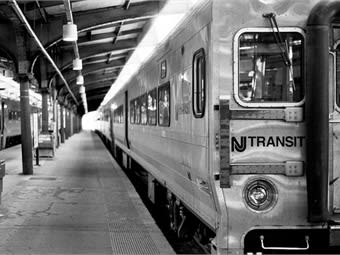
Photo: Aaron van Dorn/Flickr
NJ Transit has selected Apollo Video Technology (Apollo Video) to provide video recording systems with Railhead Corp.’s inward facing cameras for the agency’s fleet of locomotives and rail car cabs. Coinciding with the National Transportation Safety Board (NTSB) recommendation, the installation of inward facing cameras will aid in accident investigations and operator performance monitoring by transit agency management.
NJ Transit currently operates 704 trains transporting more than 300,000 customers each week day. This installation will furnish the remainder of the fleet with 1,200 cameras and recording equipment across 230 locomotives, cab cars and Arrow III electric rail cars. New inward facing cameras will record personnel operating trains, and according to the NTSB these recordings can prevent accidents by identifying safety issues before they lead to injuries or loss of life.
Supporting the proactive safety measures recommended by the NTSB, Apollo Video’s management software provides custom reporting tools and automatic download of video clips for events such as a train overspeed, rapid deceleration, and excessive and emergency brake application. Additionally, the system downloads randomly selected video clips for auditing performance and efficiency, allowing the agency to view video from specific high risk locations. These tools provide immediate video feeds and supporting data of atypical events that may occur — which could indicate an inattentive operator and safety concerns that require immediate attention.
“Monitoring for and detecting high-risk actions is perhaps the best way to prevent operator-caused train accidents,” said Rodell Notbohm, CEO of Apollo Video Technology. “With a lower cost, faster implementation and similar benefits to positive train control initiatives, video surveillance is the practical first step for improving train safety.”
As stated in the NTSB’s recommendation letter, inward- and outward-facing audio and image recorders improve the quality of accident investigations and provide training tools to improve operator safety and compliance.
Designed and manufactured specifically for rail environments, Apollo Video’s recorders and management software will be incorporated with Railhead Corp.’s cameras and specialized rail equipment to create a custom-built solution for NJ Transit. Apollo Video’s rugged and reliable recorders and comprehensive video management software will help NJ Transit reduce maintenance and operating costs, improve efficiency and mitigate risk and liability, according to the company.
“Passenger and crew safety onboard rail vehicles are of upmost concern for transportation managers. Apollo Video’s solution will not only help identify high-risk situations but also provide supporting evidence and video feeds critical for mitigating these risks,” said Notbohm.
Apollo Video manufactures solutions for transit and commercial rail operators throughout the U.S. and Canada and has partnered with agencies including the Metropolitan Atlanta Rapid Transit Authority and L.A. Metro.
More Security and Safety

Transit Agencies Highlight Safety Gains at National Summit
Leaders from 15 major transit systems shared crime-reduction results and safety initiatives while discussing the role of continued federal support.
Read More →
DART Launches Major Security, Fare Enforcement Initiative
The 90-day demonstration will deploy coordinated security teams at five light rail stations while testing controlled access and gathering data to guide future investments.
Read More →
RTD Launches NextRide App to Consolidate Trip Planning, Fares, Security Reporting
The app expands on RTD’s existing NextRide web application and allows customers to view real-time vehicle locations and service alerts, purchase and store digital fares, and access customer support.
Read More →

TAPTCO Updates OSHA Compliance Training for Transit Maintenance Operations
The revamped program addresses 26 OSHA standards for maintenance facilities, with TAPTCO pointing to training, documentation, and everyday shop hazards as continuing challenges for transit operations.
Read More →
Sponsored•August 18, 2026
How VaporVision Adds Value to Transit Door Systems
Wabtec engineers explain how the system improves doorway detection, strengthens diagnostics and gives transit agencies and OEMs greater operating flexibility.
Read More →
FRA Announces $5.3B in Rail Investments, Including $2B for Amtrak
Funding will support grade-crossing improvements, infrastructure upgrades, and new Amtrak equipment in 23 states.
Read More →
Chicago, Maryland Expand Non-Law-Enforcement Safety, Rider Support
The CTA and MTA are launching new programs aimed at de-escalation, crisis response, rider assistance, and greater transparency.
Read More →
LA Metro, City of West Hollywood, and Partners Advance Smarter Bus Lane Enforcement
The award-winning partnership combines AI-powered detection with human oversight to improve bus reliability, accessibility, and enforcement efficiency.
Read More →
LA Metro Reports 57% Decline in Homelessness on Transit System Since 2024
The agency's latest homelessness count offers new data on how care-based services and cross-sector partnerships can complement traditional transit security strategies.
Read More →
FTA Launches 'Transit Moves America' Dashboard to Highlight Agency Safety and Performance
The online dashboard transforms National Transit Database information into a public-facing resource that allows users to compare transit agencies on key operational and safety metrics.
Read More →