



NTSB cites FMCSA failure to ensure safety of new motor carriers
Current FMCSA procedures potentially allows unsafe carriers to operate without oversight for over a year.

In a report adopted Wednesday, the National Transportation Safety Board (NTSB) concluded that the Federal Motor Carrier Safety Administration (FMCSA) fails to ensure the operational safety and management oversight of new entrant motor carriers. The report recommended that the FMCSA require new carriers to demonstrate their safety fitness prior to beginning operations and revise their safety fitness rating system to better identify potential safety issues for new carriers. The recommendations are included in the Safety Board's report on a June 2002 collision that occurred near Loraine, Texas, between a Greyhound bus and a truck semitrailer operated by DelCar Trucking. Three people were killed and twenty-nine others were injured in the accident. The safety board's investigation revealed that the truck did not have the required reflective taping and the lights on the semitrailer were not working. Additionally the truck drivers toxicology tests were positive for cocaine and the co-driver, who was required to be in the passenger seat while the driver in training was operating the vehicle, was in the sleeper berth. The report noted DelCar Trucking's failure to exercise adequate operational oversight and the FMCSA's failure to ensure the safety of and provide adequate management for new entrant motor carriers. The investigation also found that the FMCSA form Safety Certification for Application for U.S. DOT Number does not require applicants to provide detailed information on operations. It was noted that the FMCSA has no mechanism for verifying the validity of an applicant's information and therefore has no adequate measure of a motor carrier's safety fitness at the time of application. Additionally, current FMCSA procedures to conduct safety audits on new entrant motor carriers up to 18 months after carriers begin operation potentially allows unsafe carriers to operate without oversight for over a year. A synopsis of Loraine, Texas accident investigation report, including findings, probable cause, and safety recommendations can be found on the publications page of the NTSB's web site, www.ntsb.gov
More Management

NITA Proposes $5B Operating Budget, $9.7B Capital Program for 2027
The proposed budget includes funding for expanded transit service, safety initiatives, fleet upgrades, and infrastructure improvements across CTA, Metra, and Pace.
Read More →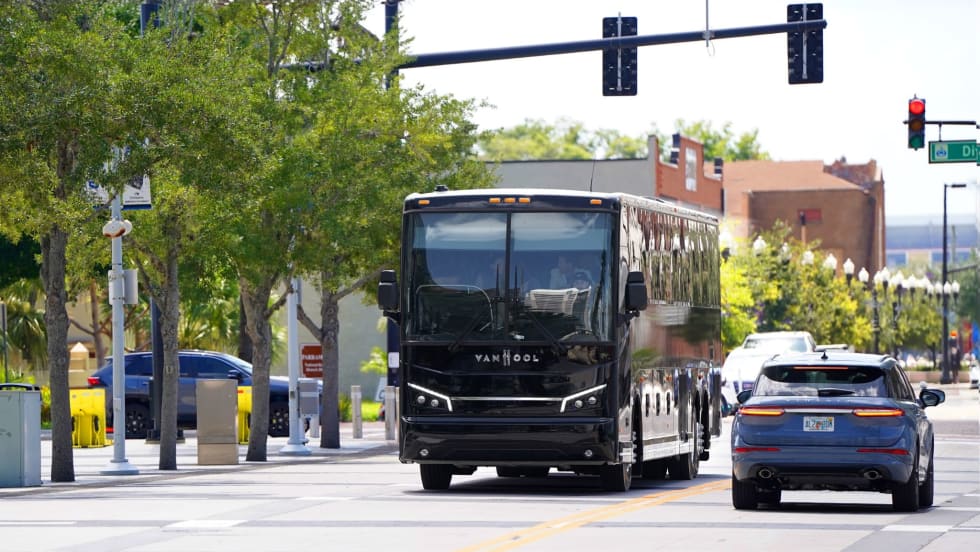
Financing, Fleet Replacement Requires a More Strategic Approach
Executives from ABC Companies and MCI discuss how rising costs, changing market conditions, and post-pandemic challenges are prompting motorcoach operators to rethink financing strategies, fleet replacement cycles, and long-term planning.
Read More →
Bringing Austin’s First Light Rail System to Life
Austin Transit Partnership CEO Greg Canally discusses the city's nearly 10-mile light rail project, its collaborative approach to project delivery, the importance of community engagement, and the milestones ahead as construction approaches in 2027.
Read More →
ETA CEO John Maglio on Transit Technology, Innovation, and Building Agency Trust
ETA founder and CEO John Maglio explores the evolution of transit technology, the importance of reliable systems, and how stronger partnerships can help agencies improve operations and the passenger experience.
Read More →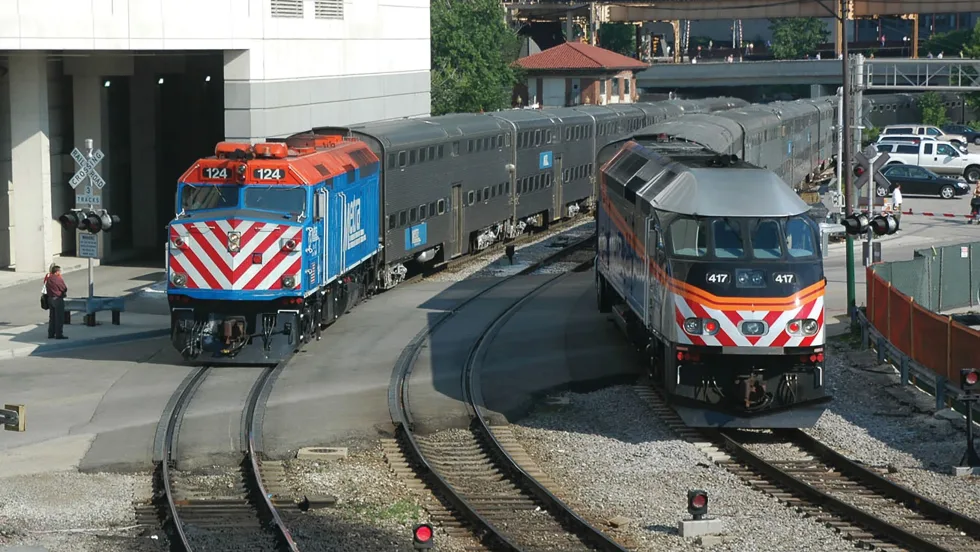
Metra Draft Plan Outlines Costs, Service Improvements for Regional Rail
The Systemwide Network Plan identifies infrastructure needs and potential investments to expand all-day, bidirectional rail service across the Chicago region.
Read More →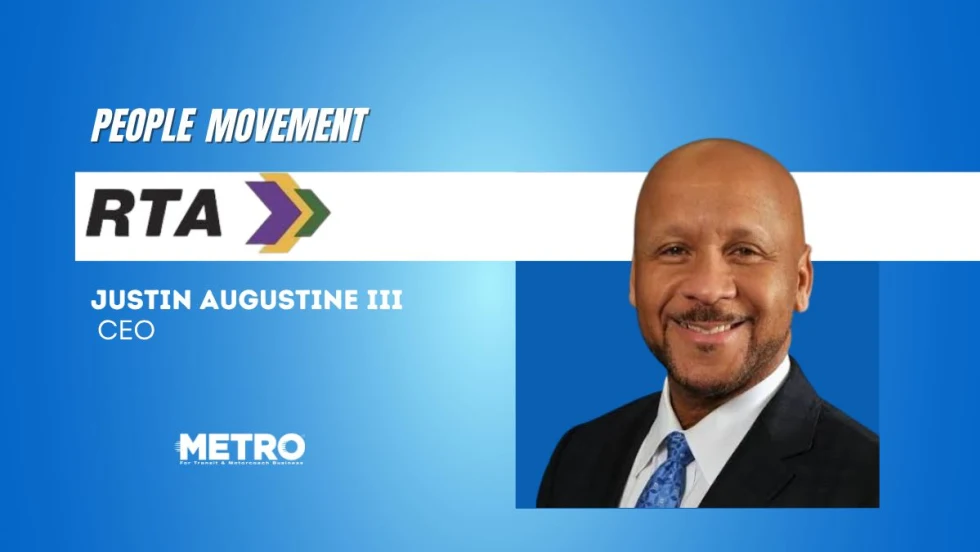
New Orleans RTA Names Augustine III as New CEO
In this edition, we also spotlight recent personnel moves at HDR, PATH, STV, and more, highlighting the people taking on new roles across the transportation industry.
Read More →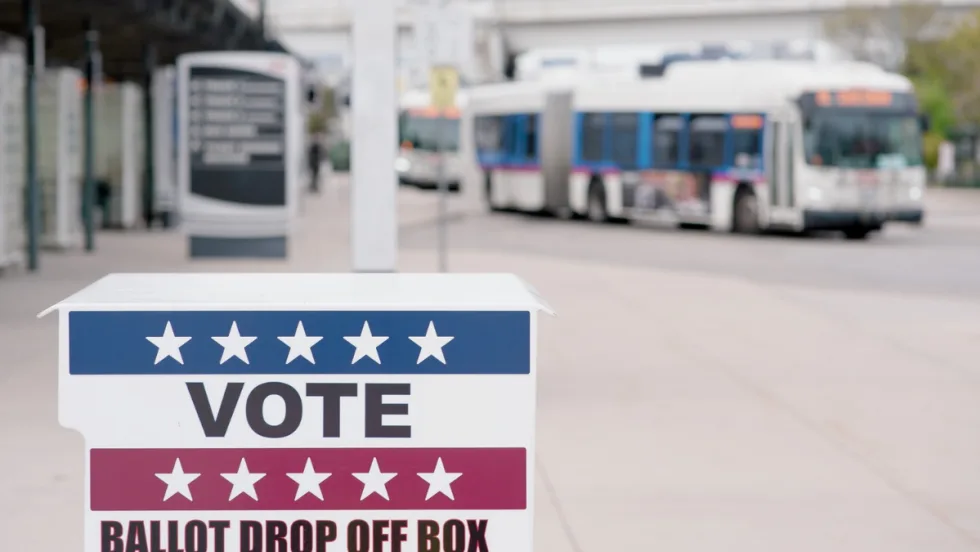
How Transit Agencies Are Using Free Rides to Improve Voting Access
Transit agencies are using fare-free service, trip-planning tools, and targeted rides to improve voting access. See what other agencies can learn from these efforts.
Read More →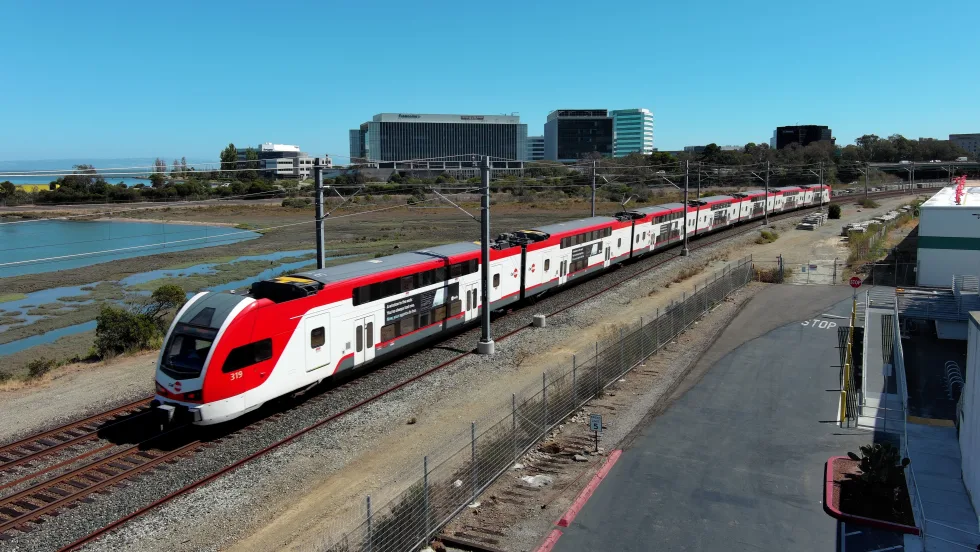
Caltrain’s Electrification Drives a New Era of Ridership Growth
The railroad’s shift to electric service has brought more frequent trains, stronger customer satisfaction, and increased ridership, earning it APTA’s Outstanding Public Transportation System award.
Read More →
Chicago, Charlotte Transit Agencies Expand Rider Support Programs
CTA launched crisis intervention teams as CATS prepares to deploy fare ambassadors, expanding customer assistance and security efforts across both systems.
Read More →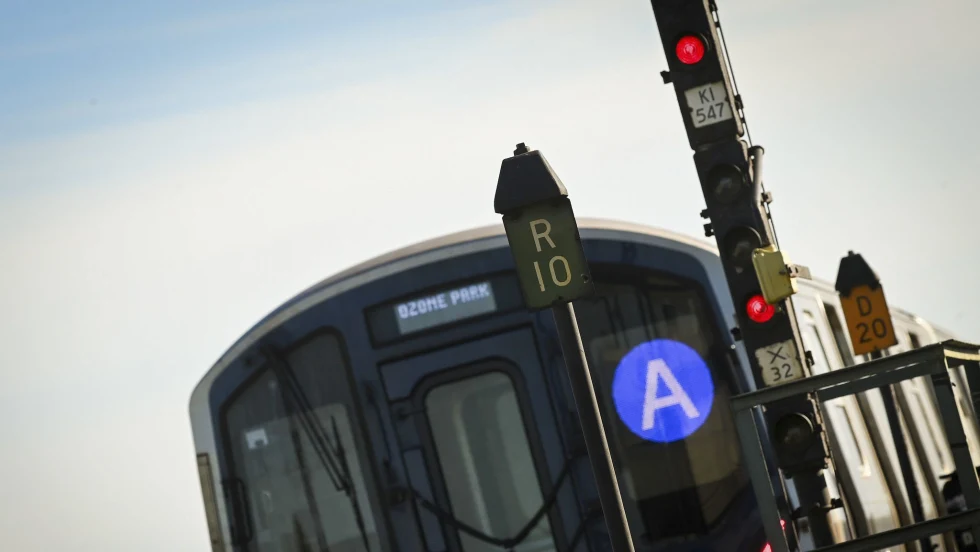
New York MTA Launches Historic $1.9B Signal, Track Modernization Project
Funded in part by congestion pricing revenue, the project will replace nearly century-old signals along the A and C lines in Brooklyn and Queens.
Read More →