



NTSB issues recommendations to FRA, Metro-North
Urges FRA to remove the current inspection exemption for high-density commuter railroads and for Metro-North to stop making use of the exemption in the wake of an accident in December 2013.

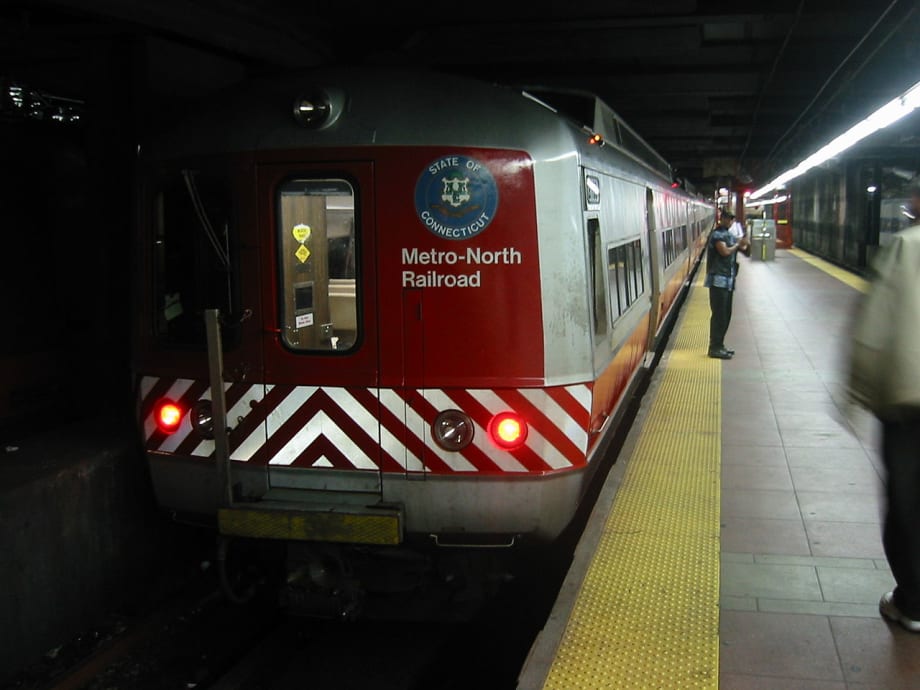
The National Transportation Safety Board (NTSB) issued recommendations to the Federal Railroad Administration and Metro-North Railroad.
The recommendation to FRA is to remove the current inspection exemption for high-density commuter railroads and require all railroads to traverse each main track by vehicle or inspect each main track on foot at least once every two weeks.
Current track safety standards exempt high-density commuter railroads like Metro-North from traversing each track they inspect by foot or vehicle. The recommendation to Metro-North advises the railroad to end the practice of using the FRA exemption.
"Safety of our public railways remains first and foremost in achieving NTSB's mission to prevent these types of accidents," said Acting Chairman Christopher A. Hart. "We expect the same level safety on all railroads, freight and passenger alike."
The recommendation comes from the NTSB's ongoing investigation of the derailment and subsequent collision of two Metro-North Railroad passenger trains in Bridgeport, Conn., in May.
During the ongoing investigation, NTSB investigators identified broken joint bars of the rail. It was also noted that the last inspection on this rail was conducted using a hi-rail vehicle two days before the accident occurred. Investigators measured the exposed portions of the breaks and determined the gage side bar, which is the bar closest to the centerline of the track, was the first bar to break.
Inspection records collected by NTSB investigators revealed that the last inspection was performed from track 2, and that the gage side of the rail on track 4, including the gage side of the joint bar, would not have been visible from a hi-rail vehicle that traveled on track 2.
More Management

LIT Marks 10-Year Milestone at Annual Summit
Hosted by the COTA from September 10 to 13, the Summit carried the theme “Celebrating 10 Years of Excellence, Leadership, and Impact,” with every part of the program honoring the people, agencies, and partners who built LIT over its first decade.
Read More →
People Movement: Dan Dipert Coaches Adds Third-Generation Leader, Keolis Names New Valley Metro VP/GM, and More
In this edition, we also cover recent appointments and announcements at the Wabtec, SilverRide, HNTB, and more, showcasing the individuals helping to shape the future of transportation.
Read More →
METRO Opens Submissions for 2026 Motorcoach Awards
Nominations are now being accepted for METRO Magazine’s Operator of the Year and Innovative Operator of the Year awards.
Read More →

New York MTA Advances Final Contract for Second Avenue Subway Expansion
Contract Four is the largest in the Second Avenue Subway Phase 2 project and includes construction of station infrastructure, tracks, and signals for the subway expansion, MTA officials said. Work on Contract Four will begin in 2027.
Read More →
Transit Agencies Highlight Safety Gains at National Summit
Leaders from 15 major transit systems shared crime-reduction results and safety initiatives while discussing the role of continued federal support.
Read More →
NITA Names New Leadership, Expands Reduced-Fare Program at First Board Meeting
The new regional transit authority appointed its first board chair and interim executive director while extending reduced fares across CTA, Metra, and Pace for eligible riders.
Read More →
Beyond the Checklist: A Structured Approach to Transit Maintenance
Reliability-Centered Maintenance helps transit agencies move beyond routine checklists to focus limited resources on the assets and failures that have the greatest impact on safety, reliability, and service.
Read More →
APTA 2026 Nominating Committee Selects Leadership Slate, Names Chair and Vice Chair Nominees
Leadership changes will help shape the association’s priorities and its representation of the transportation industry during the 2026–2027 term.
Read More →
DART Launches Major Security, Fare Enforcement Initiative
The 90-day demonstration will deploy coordinated security teams at five light rail stations while testing controlled access and gathering data to guide future investments.
Read More →
Advancing Fare Collection Through Technology and Innovation
Learn about delivering 1300 gates at 91 stations while managing fare evasion. Explore the large scale deployment, solution customization and real-world results that affect the region. Prepare for deployment in your region now.
Read More →