



NTSB releases Metro-North special investigation report
The report examines several common safety management problems present in all the accidents. Last month the NTSB released accident briefs identifying the probable causes of these accidents.

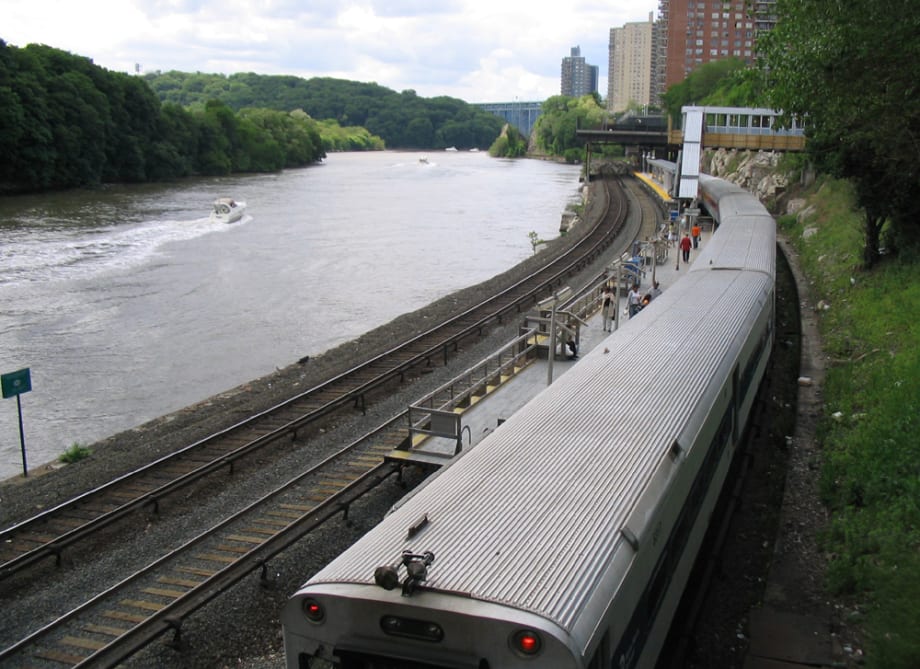
The National Transportation Safety Board (NTSB) issued a special investigation report on common organizational factors in five New York Metro North Railroad accidents between May 2013 and March 2014. Taken together, the accidents killed six people and injured 126.
The report examines several common safety management problems present in all the accidents. Last month the NTSB released accident briefs identifying the probable causes of these accidents.
"Metro-North and the Metropolitan Transportation Authority have much work yet to do," said NTSB Acting Chairman Christopher A. Hart. "The FRA has much work to do as well. Railroad safety across the country depends on the FRA turning decisively to the task."
NTSB investigations revealed Metro-North safety programs that were in place were not effectively used to manage the safety of its operations and employees. Furthermore, Metro-North did not effectively investigate accidents and incidents to identify and fix safety deficiencies. In addition, known deficiencies were not corrected.
The report examined not only the safety gaps at Metro-North and MTA, but also problems with Federal Railroad Administration (FRA) regulations, inspection and oversight that allowed the safety gaps to exist. Had previous NTSB recommendations been implemented by the FRA, many of the safety issues encountered in these accidents could have been prevented, the report noted.
Examination of the FRA's national inspection program revealed that its system for prioritizing enforcement efforts was ineffective and that current methodology may not be effective in identifying systemic safety issues. This resulted in a lower FRA presence at Metro-North while track conditions were deteriorating, which increased the risk of a catastrophic accident.
The NTSB issued recommendations to the FRA, Metro-North and the MTA, as well as several other entities. The recommendations address Metro-North safety policy and safety programs, safety protocols, rules on screening for obstructive sleep apnea and other sleep disorders, and track inspection plans.
To view an abstract of the special report, click here.
More Management

LIT Marks 10-Year Milestone at Annual Summit
Hosted by the COTA from September 10 to 13, the Summit carried the theme “Celebrating 10 Years of Excellence, Leadership, and Impact,” with every part of the program honoring the people, agencies, and partners who built LIT over its first decade.
Read More →
People Movement: Dan Dipert Coaches Adds Third-Generation Leader, Keolis Names New Valley Metro VP/GM, and More
In this edition, we also cover recent appointments and announcements at the Wabtec, SilverRide, HNTB, and more, showcasing the individuals helping to shape the future of transportation.
Read More →
METRO Opens Submissions for 2026 Motorcoach Awards
Nominations are now being accepted for METRO Magazine’s Operator of the Year and Innovative Operator of the Year awards.
Read More →

New York MTA Advances Final Contract for Second Avenue Subway Expansion
Contract Four is the largest in the Second Avenue Subway Phase 2 project and includes construction of station infrastructure, tracks, and signals for the subway expansion, MTA officials said. Work on Contract Four will begin in 2027.
Read More →
Transit Agencies Highlight Safety Gains at National Summit
Leaders from 15 major transit systems shared crime-reduction results and safety initiatives while discussing the role of continued federal support.
Read More →
NITA Names New Leadership, Expands Reduced-Fare Program at First Board Meeting
The new regional transit authority appointed its first board chair and interim executive director while extending reduced fares across CTA, Metra, and Pace for eligible riders.
Read More →
Beyond the Checklist: A Structured Approach to Transit Maintenance
Reliability-Centered Maintenance helps transit agencies move beyond routine checklists to focus limited resources on the assets and failures that have the greatest impact on safety, reliability, and service.
Read More →
APTA 2026 Nominating Committee Selects Leadership Slate, Names Chair and Vice Chair Nominees
Leadership changes will help shape the association’s priorities and its representation of the transportation industry during the 2026–2027 term.
Read More →
DART Launches Major Security, Fare Enforcement Initiative
The 90-day demonstration will deploy coordinated security teams at five light rail stations while testing controlled access and gathering data to guide future investments.
Read More →
Advancing Fare Collection Through Technology and Innovation
Learn about delivering 1300 gates at 91 stations while managing fare evasion. Explore the large scale deployment, solution customization and real-world results that affect the region. Prepare for deployment in your region now.
Read More →