



NTSB seeks to implement 46 safety recommendations in 2 years
There are 267 open NTSB safety recommendations associated with the 10 Most Wanted List items.

The National Transportation Safety Board announced its 2019 – 2020 Most Wanted List of Transportation Safety Improvements, during an event on Monday.
First issued in 1990, the NTSB Most Wanted List of Transportation Safety Improvements serves as the agency’s primary advocacy tool to help save lives, prevent injuries, and reduce property damage resulting from transportation accidents.
The 10 items on the NTSB’s 2019 – 2020 Most Wanted List of Transportation Safety Improvements are:
Eliminate Distractions
End Alcohol and Other Drug Impairment
Ensure the Safe Shipment of Hazardous Materials
Fully Implement Positive Train Control
Implement a Comprehensive Strategy to Reduce Speeding-Related Crashes
Improve the Safety of Part 135 Aircraft Flight Operations
Increase Implementation of Collision Avoidance Systems in All New Highway Vehicles
Reduce Fatigue-Related Accidents
Require Medical Fitness – Screen for and Treat Obstructive Sleep Apnea
Strengthen Occupant Protection
"The 2019 – 2020 Most Wanted List advocates for 46 specific safety recommendations that can and should be implemented during these next two years,” said NTSB Chairman Robert Sumwalt. “It also features broad, longstanding safety issues that still threaten the traveling public.”
Sumwalt issued a call to action during Monday’s event saying, “We at the NTSB can speak on these issues. We board members can testify by invitation to legislatures and to Congress, but we have no power of our own to act. We are counting on industry, advocates, and government to act on our recommendations. We are counting on the help of the broader safety community to implement these recommendations.”
There are 267 open NTSB safety recommendations associated with the 10 Most Wanted List items and the NTSB is focused on seeing 46 of those implemented within the next two years. The majority of these recommendations, roughly two-thirds of the 267, seek critical safety improvements by means other than regulation. Of the 46 safety recommendations the NTSB wants implemented in the next two years, 20 seek regulatory action to improve transportation safety.
At any given time, the NTSB is managing around 1,200 open safety recommendations and while all have the potential to save lives and reduce injuries by preventing accidents, the NTSB cannot effectively communicate about each of them. The NTSB’s Most Wanted List provides the NTSB’s advocacy team and other agency communicators a roadmap to focus on a select number of recommendations. In 2017 the NTSB went from an annual list to a biennial process, to give our advocacy team, their partners, and our safety recommendation recipients more time to move toward implementation of the recommendations associated with the list.
To learn more about the items on the NTSB’s 2019 – 2020 Most Wanted List of Transportation Safety Improvements or the NTSB safety recommendations associated with the list, visit https://go.usa.gov/xEXR8.
More Security and Safety

Transit Agencies Highlight Safety Gains at National Summit
Leaders from 15 major transit systems shared crime-reduction results and safety initiatives while discussing the role of continued federal support.
Read More →
DART Launches Major Security, Fare Enforcement Initiative
The 90-day demonstration will deploy coordinated security teams at five light rail stations while testing controlled access and gathering data to guide future investments.
Read More →
RTD Launches NextRide App to Consolidate Trip Planning, Fares, Security Reporting
The app expands on RTD’s existing NextRide web application and allows customers to view real-time vehicle locations and service alerts, purchase and store digital fares, and access customer support.
Read More →
TAPTCO Updates OSHA Compliance Training for Transit Maintenance Operations
The revamped program addresses 26 OSHA standards for maintenance facilities, with TAPTCO pointing to training, documentation, and everyday shop hazards as continuing challenges for transit operations.
Read More →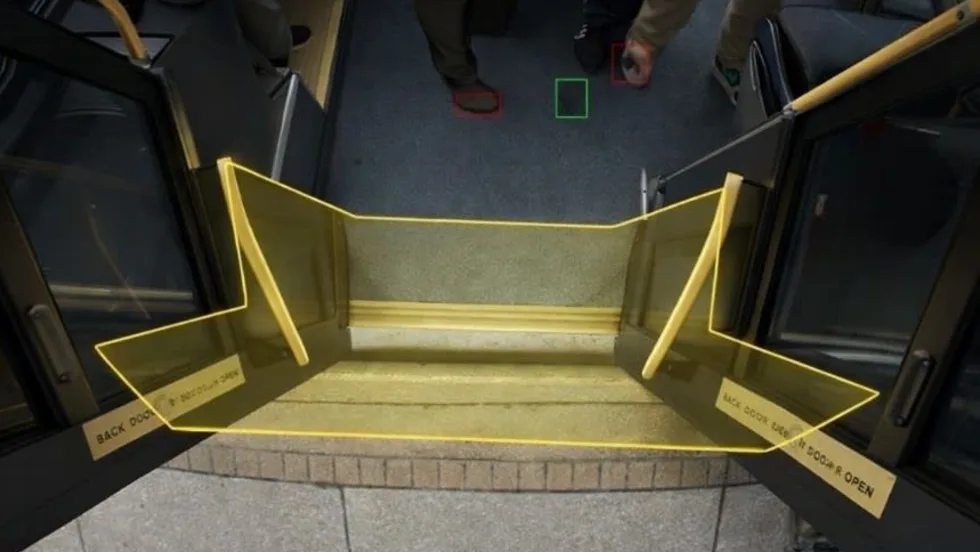
How VaporVision Adds Value to Transit Door Systems
Wabtec engineers explain how the system improves doorway detection, strengthens diagnostics and gives transit agencies and OEMs greater operating flexibility.
Read More →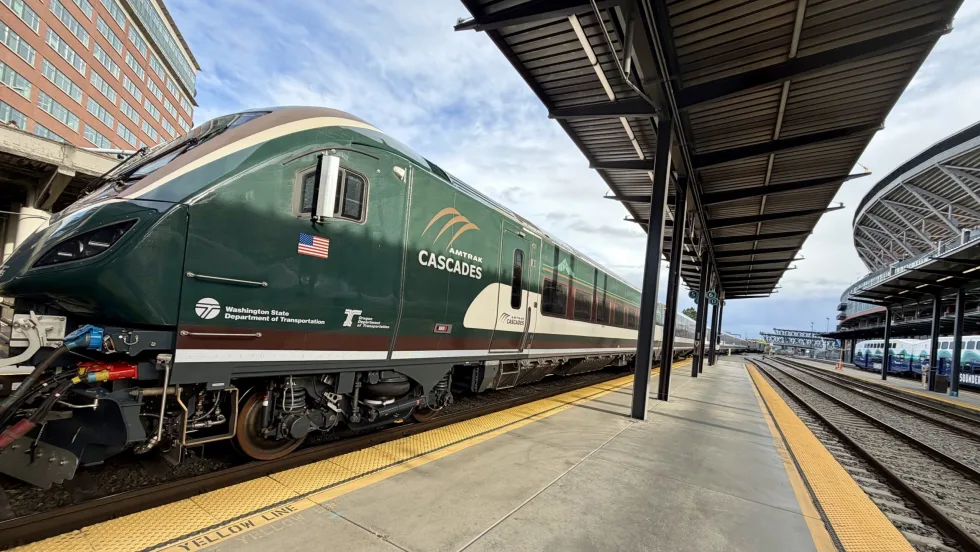
FRA Announces $5.3B in Rail Investments, Including $2B for Amtrak
Funding will support grade-crossing improvements, infrastructure upgrades, and new Amtrak equipment in 23 states.
Read More →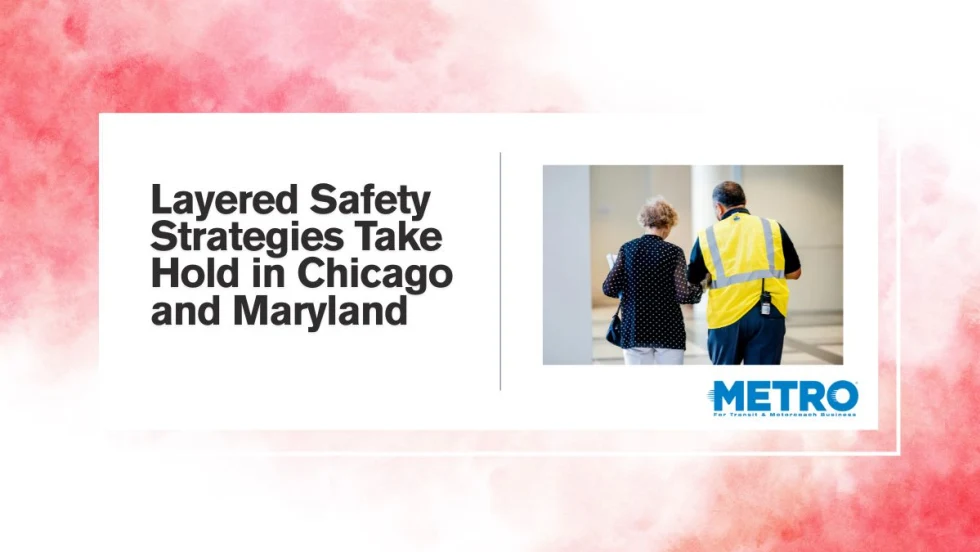
Chicago, Maryland Expand Non-Law-Enforcement Safety, Rider Support
The CTA and MTA are launching new programs aimed at de-escalation, crisis response, rider assistance, and greater transparency.
Read More →
LA Metro, City of West Hollywood, and Partners Advance Smarter Bus Lane Enforcement
The award-winning partnership combines AI-powered detection with human oversight to improve bus reliability, accessibility, and enforcement efficiency.
Read More →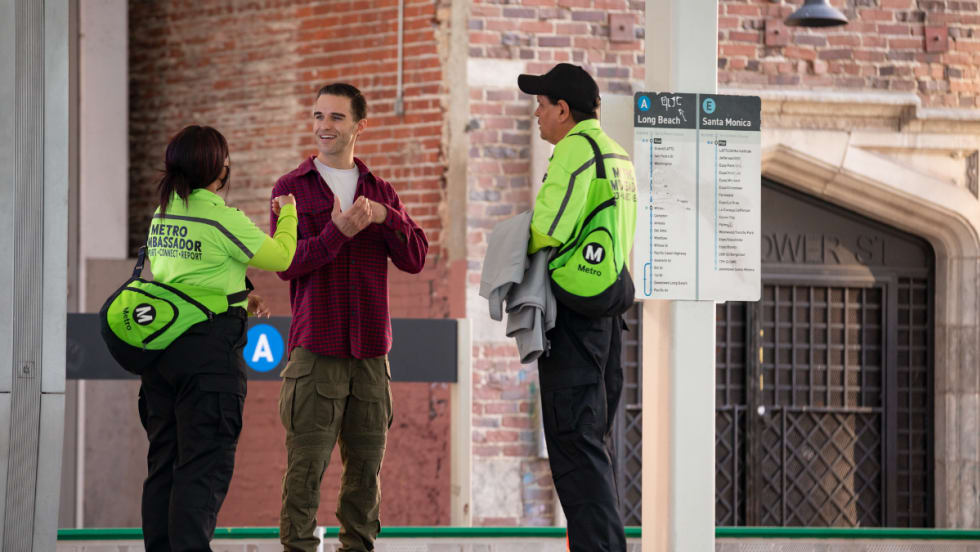
LA Metro Reports 57% Decline in Homelessness on Transit System Since 2024
The agency's latest homelessness count offers new data on how care-based services and cross-sector partnerships can complement traditional transit security strategies.
Read More →
FTA Launches 'Transit Moves America' Dashboard to Highlight Agency Safety and Performance
The online dashboard transforms National Transit Database information into a public-facing resource that allows users to compare transit agencies on key operational and safety metrics.
Read More →