



NYC Transit campaign to speed trains slowly progressing
In total since the summer of 2018, a safety committee has approved increases to speed limits at 68 locations, and the agency has implemented 24 of them.

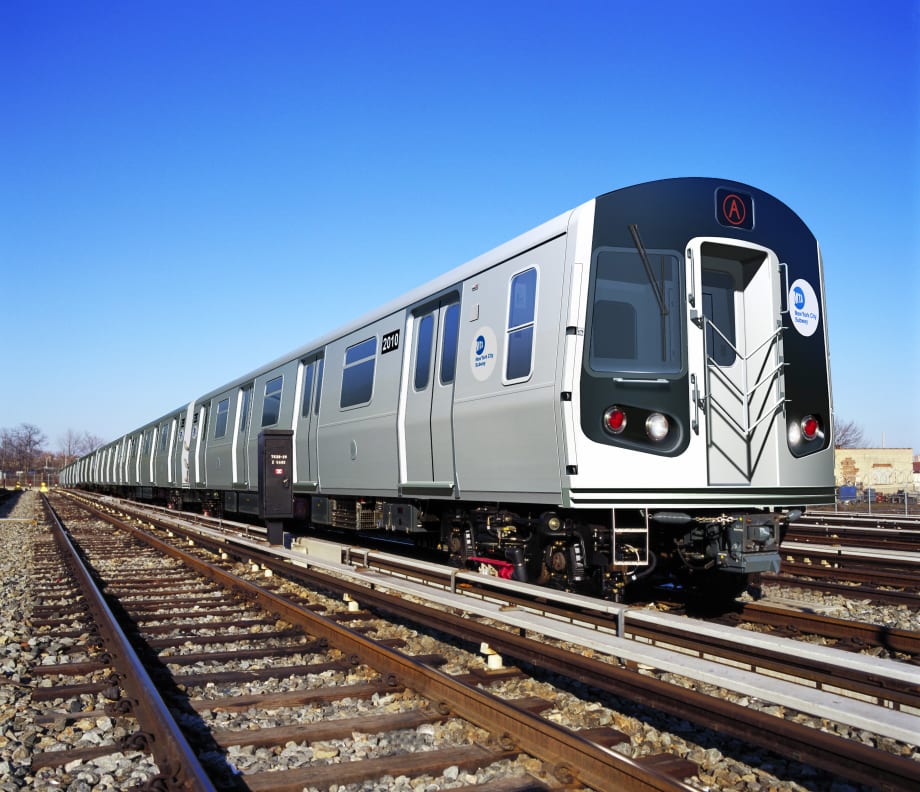
NYC Transit has also now identified approximately 320 inaccurate timer signals, and has recalibrated 59 of them.
Bombardier
NYC Transit has also now identified approximately 320 inaccurate timer signals, and has recalibrated 59 of them.
Bombardier
MTA New York City Transit announced progress in the organization’s continued efforts to safely increase subway speed limits and move customers more quickly throughout the system.
In total since the summer of 2018, a safety committee has approved increases to speed limits at 68 locations, and the agency has implemented 24 of them. NYC Transit has also now identified approximately 320 inaccurate timer signals, and has recalibrated 59 of them.
Last week, workers bolted into a place a new speed sign at the City Hall station on the R Subway line, more than doubling the speed limit there from a system-wide low of six miles per hour to 15 miles per hour.
Increases like the one that went into effect last week at City Hall are part of NYC Transit’s ongoing Save Safe Seconds campaign, which aims to efficiently and safely reduce travel time for subway customers, by way of improving operating matters such as platform management and speed limits. This progress builds on similar improvements announced last month. Once implemented more widely throughout the system, speed limit increases could shave minutes off of commute times for many subway users.
To identify areas in the system through which trains can safely pass at higher speeds, a special team known as the “SPEED Unit” — which stands for Subway Performance Evaluation, Education and Development — was assembled in 2018. That group, made up of NYCT employees with various specialties and established in tandem with union officials, has traversed almost every mile of track over the last several months. The team conducts various tests to determine whether or not certain segments of track might be able to support higher speeds than currently permitted, without compromising existing standards for safety and passenger comfort.
In addition to testing for raising speed limits, the SPEED Unit is also tasked with testing the accuracy of speed regulating signals called "grade time signals" or "timer signals," with 95% of some 2,000 such signals tested since the initiative began in summer 2018. Approximately 320 faulty timer signals have been discovered, and 59 of them have been recalibrated so far in what amounts to very labor-intensive work to inspect, diagnose, and repair or replace numerous possible pieces of equipment during times of exclusive track access for workers such as weekends or nights.
The safety committee reviewing speed limit increases includes members of NYC Transit’s Office of System Safety, as well as other personnel who work on operations planning, service delivery, and track and signal maintenance and repair.
More Rail

New York MTA Advances Final Contract for Second Avenue Subway Expansion
Contract Four is the largest in the Second Avenue Subway Phase 2 project and includes construction of station infrastructure, tracks, and signals for the subway expansion, MTA officials said. Work on Contract Four will begin in 2027.
Read More →
San Diego MTS Breaks Monthly Trolley Ridership Record
Agency officials said July’s ridership indicates MTS’s continued recovery from the pandemic.
Read More →
Report Examines NJ TRANSIT Reliability, Funding Challenges
The Garden State Initiative analysis examines the roles of Amtrak infrastructure, fleet management, and agency operations while recommending a more performance-based approach to improving reliability.
Read More →
Stadler, CapMetro Sign Long-Term Rail Fleet Support Agreement
Beginning in 2027, Stadler will provide on-site technical expertise, spare parts support, training, and obsolescence management to help extend the reliability and longevity of CapMetro’s GTW fleet.
Read More →
Biz Briefs: Alstom Lands Canadian Contract, LYT to Supply California TSP, and More
In METRO's latest installment, we take a look at recent news from Complete Coach Works, Beep, FlixBus, and more partnerships making headlines across the transportation sector.
Read More →
CATS Gold Line Marks 5 Years of Service, 2.8M Passenger Trips
With a six-mile expansion planned, the Charlotte streetcar is positioned to connect more neighborhoods and major transit hubs across the region.
Read More →
Why Simulating Pedestrian Movement Has Become Essential for Modern Rail Stations
Pedestrian microsimulation is helping rail planners identify bottlenecks, test station designs, and prepare complex transit hubs for growing passenger volumes.
Read More →
Amtrak Begins Major Construction at New York’s Sunnyside Yard
The new maintenance facility will support Amtrak’s Airo trainsets while improving maintenance efficiency and turnaround times in New York.
Read More →
Chicago Leaders Unveil Plans for O’Hare Airport Express Train
The privately developed project would offer a 15-minute trip between downtown and O’Hare’s Terminal 2, with trains operating every 15 minutes on a dedicated track. The service would use battery-electric trains and three existing freight rail rights-of-way.
Read More →
OCTA Maps Out 30-Year Strategy to Protect Coastal Rail Corridor
The draft feasibility report identifies strategies to protect the coastal rail line for decades as the agency continues near-term stabilization and sand placement efforts.
Read More →