



NYCT, TWU issue operator safety proposals
In addition to a pilot program for partitions, both parties are considering whether modifications in fare policy might reduce the potential for assaults.

The Metropolitan Transportation Authority’s New York City Transit (NYCT) and Transport Workers Union Local 100 (TWU) released several proposals to increase bus operator safety in the wake of the murder of Edwin Thomas and a rash of bus operator assaults earlier this month. The proposals are the product of the joint management-union Bus Operator Action Committee (BOAC).
Among the new initiatives is the development of a bus operator compartment partition that will physically separate bus drivers from passengers. The partitions will be tested in a pilot program at the Flatbush Depot, where bus operator Thomas worked. Partitions are currently being used or tested in Chicago (600 in-service; 488 additional being purchased); Washington, D.C. (three test buses); Milwaukee and
Baltimore(40 test buses).
In addition to the pilot program for partitions, NYCT and TWU Local 100 are considering whether modifications in fare policy might reduce the potential for assaults. Also under consideration is introducing automated passenger communication on buses and eliminating the requirement for bus operators to initiate potentially confrontational conversations with passengers who may have evaded the farebox.
Moreover, NYCT and TWU Local 100 are set to overhaul training procedures for bus operators in order to minimize passenger confrontation. Operators who work on routes with high rates of assaults will receive priority training. NYCT is also set to install larger "Bus Operator Assault Felony" stickers, which convey that it is a felony in New York State to assault a bus operator.
More Management

How Data, Strategy, and Community Engagement Are Reshaping Transit
In this edition of METROspectives, strada360 CEO Steve Lassey discusses how transit agencies can better align planning with operations, leverage data to improve decision-making, and build public trust as they prepare for the future of mobility.
Read More →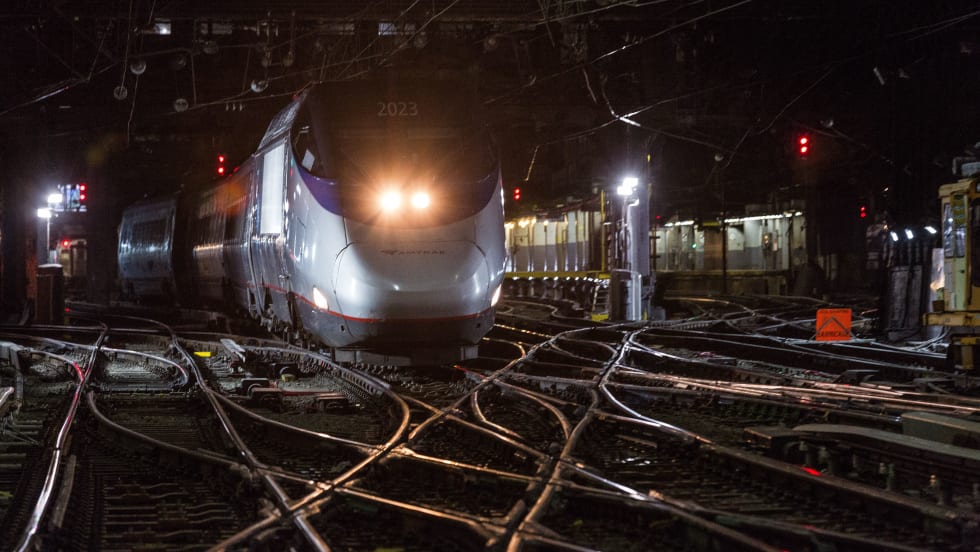
Amtrak Board Advances Plan to Restructure Organization, Seeks Public Input
The proposal, developed by Amtrak management and approved by the board for further consideration, is intended to modernize the organization's structure while improving accountability, operational efficiency, and customer service.
Read More →
Turn Transit Data Into Action
Discover how leading agencies are using connected technology to gain real-time visibility across operations, improve service reliability, and reduce disruptions.
Read More →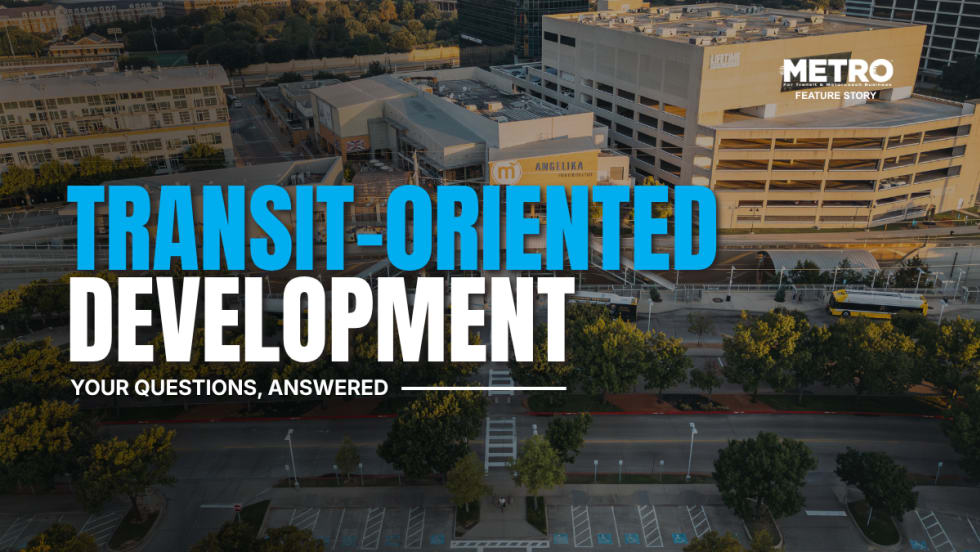
What Transit-Oriented Development Means for the Future of Public Transportation
Once viewed primarily as transit operators, agencies are now leveraging land, partnerships, and long-term planning to boost ridership, expand housing, and strengthen communities.
Read More →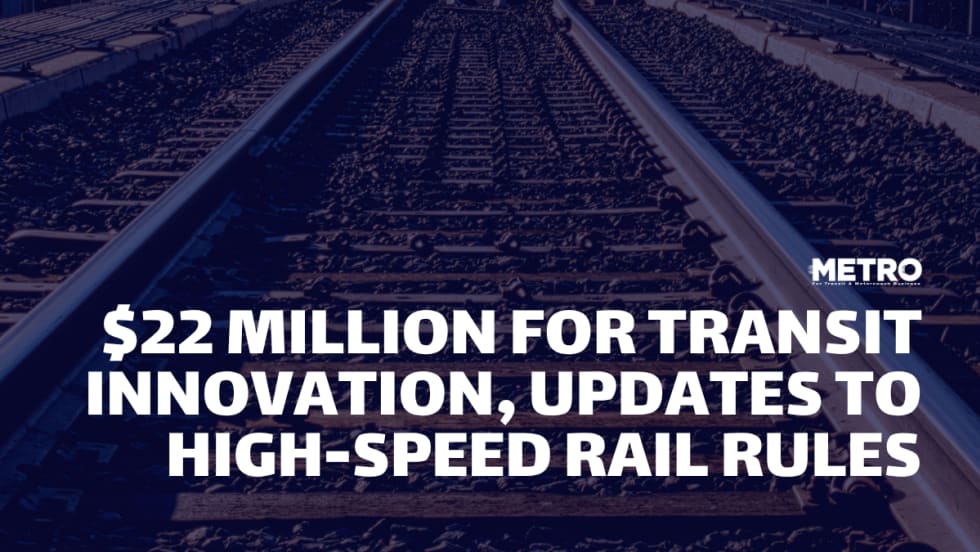
USDOT Announces $22 Million for Transit Innovation, Updates High-Speed Rail Rules
New federal transit funding will support safety, accessibility, and technology projects as updated rail regulations establish new noise standards for high-speed trains.
Read More →
Transportation Construction Coalition Unveils Infrastructure Case Studies Ahead of Federal Funding Deadline
The coalition noted the next surface transportation bill should provide sustained investment in highways and public transit to strengthen freight movement, improve safety, and support economic growth.
Read More →
People Movement: American Bus Association Extends Ferguson and More
METRO’s People Movement highlights the latest leadership changes, promotions, and personnel news across the public transit, motorcoach, and people mobility sectors.
Read More →
METRO Magazine Announces 2026 Innovative Solutions Awards Winners
Projects Recognized for Advancing Mobility Through Technology, Accessibility, Workforce Innovation, and Operational Excellence
Read More →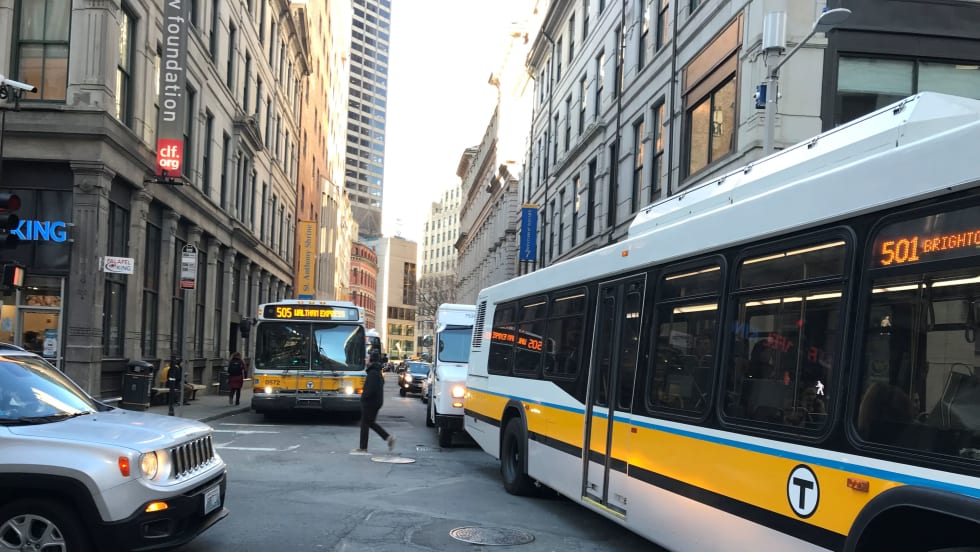
MBTA Rolls Out Pilot Programs to Cut Costs, Simplify Travel
Three new fare pilots — including unlimited two-hour transfers, reduced express bus fares, and free transit for eligible seniors — will launch this fall as Massachusetts extends popular commuter rail discounts through November.
Read More →
FTA Opens $610 Million Funding Opportunity for Bus Infrastructure Projects
The latest Notice of Funding Opportunity provides transit agencies with funding for bus facilities, fleet modernization, and low- and no-emission vehicles, with applications due September 21.
Read More →