



Amtrak Board Advances Plan to Restructure Organization, Seeks Public Input
The proposal, developed by Amtrak management and approved by the board for further consideration, is intended to modernize the organization's structure while improving accountability, operational efficiency, and customer service.

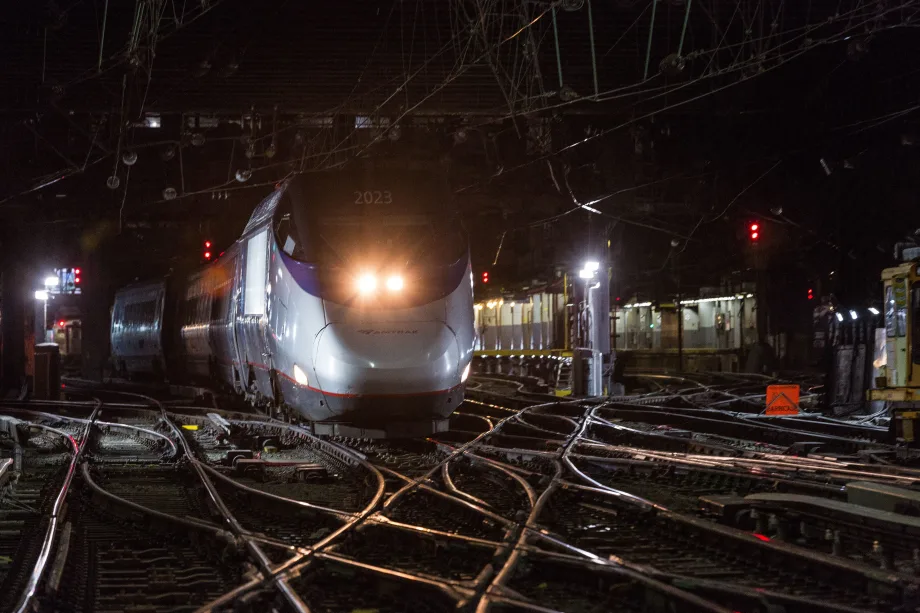
Under the proposed framework, Amtrak would continue to operate as the parent organization while creating three distinct business units focused on key areas of the company's operations.
Amtrak
- Amtrak's board has approved a preliminary framework to restructure the organization, aiming to modernize its structure after a period of record ridership, revenue, and investment.
- The proposed changes are designed to enhance accountability, improve operational efficiency, and elevate customer service standards.
- Public input is being sought as Amtrak refines the proposal and creates an implementation strategy to strengthen its operations.
*Summarized by AI
Amtrak's board is moving forward with a preliminary framework that would significantly restructure the passenger railroad's corporate organization, building on what the company says has been a period of record ridership, revenue, and capital investment.
The proposal, developed by Amtrak management and approved by the board for further consideration, is intended to modernize the organization's structure while improving accountability, operational efficiency, and customer service. The board is now seeking public feedback as it refines the proposal and implementation strategy.
"Our management team developed this preliminary framework after extensive study and continues to seek input to be sure we get it right," Interim President Byl Herrmann said in a statement. "Our goal is a more accountable, effective, and resilient Amtrak, one that delivers more riders, more revenue, and the best customer service in the transportation industry."
Three Core Business Units
Under the proposed framework, Amtrak would continue to operate as the parent organization while creating three distinct business units focused on key areas of the company's operations:
- A Passenger Services division that would oversee the delivery of safe, reliable rail service while focusing on enhancing the customer experience.
- An Infrastructure Management division that would be responsible for maintaining and improving the railroad's tracks, bridges, tunnels, and stations, while overseeing more than $5 billion in annual infrastructure investments.
- A Fleet Management division that would manage the company's rolling stock, including more than $10 billion in fleet modernization investments currently underway.
Improving Accountability and Decision-Making
According to Amtrak, the new structure is designed to provide greater visibility into operational performance and costs, improve decision-making, and better align authority with responsibility across the organization.
Company officials said the changes are intended to create a more agile and accountable organization capable of supporting continued ridership growth, expanding passenger rail service, and strengthening financial performance.
The restructuring proposal comes as Amtrak continues to build on record ridership and revenue while advancing major capital investments in infrastructure and new equipment.
Amtrak plans to begin developing a detailed organizational design and implementation plan in September. A formal proposal will be presented to the board in December, with the new operating structure proposed to take effect in 2027.
Quick Answers
Amtrak's board is planning to significantly restructure the passenger railroad's corporate organization to modernize it, improve accountability, operational efficiency, and customer service.
*Summarized by AI
More Rail
Amtrak, CN Reach Agreements to Strengthen Passenger Rail Service, Safety
The agreement resolves a more than decade-long proceeding before the Surface Transportation Board concerning the terms and conditions for Amtrak services, such as the City of New Orleans, Illini/Saluki, and Wolverine.
Read More →
New York MTA Advances Final Contract for Second Avenue Subway Expansion
Contract Four is the largest in the Second Avenue Subway Phase 2 project and includes construction of station infrastructure, tracks, and signals for the subway expansion, MTA officials said. Work on Contract Four will begin in 2027.
Read More →
San Diego MTS Breaks Monthly Trolley Ridership Record
Agency officials said July’s ridership indicates MTS’s continued recovery from the pandemic.
Read More →
Report Examines NJ TRANSIT Reliability, Funding Challenges
The Garden State Initiative analysis examines the roles of Amtrak infrastructure, fleet management, and agency operations while recommending a more performance-based approach to improving reliability.
Read More →
Stadler, CapMetro Sign Long-Term Rail Fleet Support Agreement
Beginning in 2027, Stadler will provide on-site technical expertise, spare parts support, training, and obsolescence management to help extend the reliability and longevity of CapMetro’s GTW fleet.
Read More →
Biz Briefs: Alstom Lands Canadian Contract, LYT to Supply California TSP, and More
In METRO's latest installment, we take a look at recent news from Complete Coach Works, Beep, FlixBus, and more partnerships making headlines across the transportation sector.
Read More →
CATS Gold Line Marks 5 Years of Service, 2.8M Passenger Trips
With a six-mile expansion planned, the Charlotte streetcar is positioned to connect more neighborhoods and major transit hubs across the region.
Read More →
Why Simulating Pedestrian Movement Has Become Essential for Modern Rail Stations
Pedestrian microsimulation is helping rail planners identify bottlenecks, test station designs, and prepare complex transit hubs for growing passenger volumes.
Read More →
Amtrak Begins Major Construction at New York’s Sunnyside Yard
The new maintenance facility will support Amtrak’s Airo trainsets while improving maintenance efficiency and turnaround times in New York.
Read More →
Chicago Leaders Unveil Plans for O’Hare Airport Express Train
The privately developed project would offer a 15-minute trip between downtown and O’Hare’s Terminal 2, with trains operating every 15 minutes on a dedicated track. The service would use battery-electric trains and three existing freight rail rights-of-way.
Read More →