



Obama releases high-speed rail plan
The plan identifies two types of projects for funding. One would create new corridors for world-class high-speed rail like the kind found in Europe and Japan. Another would involve making train service along existing rail lines incrementally faster.

President Barack Obama, along with Vice President Biden and Secretary LaHood, announced a new U.S. push today to transform travel in America, creating high-speed rail lines from city to city, reducing dependence on cars and planes and spurring economic development.
The President released a strategic plan outlining his vision for high speed rail in America. The plan identifies $8 billion provided in the American Recovery and Reinvestment Act (ARRA) and $1 billion a year for five years requested in the federal budget as a down payment to jump-start a potential world-class passenger rail system and sets the direction of transportation policy for the future. The strategic plan will be followed by detailed guidance for state and local applicants. By late summer, the Federal Railroad Administration (FRA) will begin awarding the first round of grants.
Additional funding for long-term planning and development is expected from legislation authorizing federal surface transportation programs.
The report formalizes the identification of ten high-speed rail corridors as potential recipients of federal funding. Those lines are: California, Pacific Northwest, South Central, Gulf Coast, Chicago Hub Network, Florida, Southeast, Keystone, Empire and Northern New England. Also, opportunities exist for the Northeast Corridor from Washington to Boston to compete for funds to improve the nation’s only existing high-speed rail service.
With a boost from the ARRA, the Obama administration launched a competitive process to drive local communities to develop their high-speed rail potential. The President, Vice President and Secretary of Transportation are urging states and local communities to put together plans for a network of 100 mile to 600 mile corridors, which will compete for the federal dollars. The merit-driven process will result in federal grants as soon as late summer 2009.
“My high-speed rail proposal will lead to innovations that change the way we travel in America. We must start developing clean, energy-efficient transportation that will define our regions for centuries to come,” said President Obama. “A major new high-speed rail line will generate many thousands of construction jobs over several years, as well as permanent jobs for rail employees and increased economic activity in the destinations these trains serve. High-speed rail is long-overdue, and this plan lets American travelers know that they are not doomed to a future of long lines at the airports or jammed cars on the highways.”
“Today, we see clearly how Recovery Act funds and the Department of Transportation are building the platform for a brighter economic future - they’re creating jobs and making life better for communities everywhere,” said Vice President Biden. “Everyone knows railways are the best way to connect communities to each other, and as a daily rail commuter for over 35 years, this announcement is near and dear to my heart. Investing in a high-speed rail system will lower our dependence on foreign oil and the bill for a tank of gas; loosen the congestion suffocating our highways and skyways; and significantly reduce the damage we do to our planet.”
“President Obama's vision of robust, high-speed rail service offers Americans the kind of travel options that throughout our history have contributed to economic growth and enhanced quality of life,” said Secretary LaHood. “We simply can't build the economy of the future on the transportation networks of the past.”
The plan identifies two types of projects for funding. One would create new corridors for world-class high-speed rail like the kind found in Europe and Japan. Another would involve making train service along existing rail lines incrementally faster.
More Rail
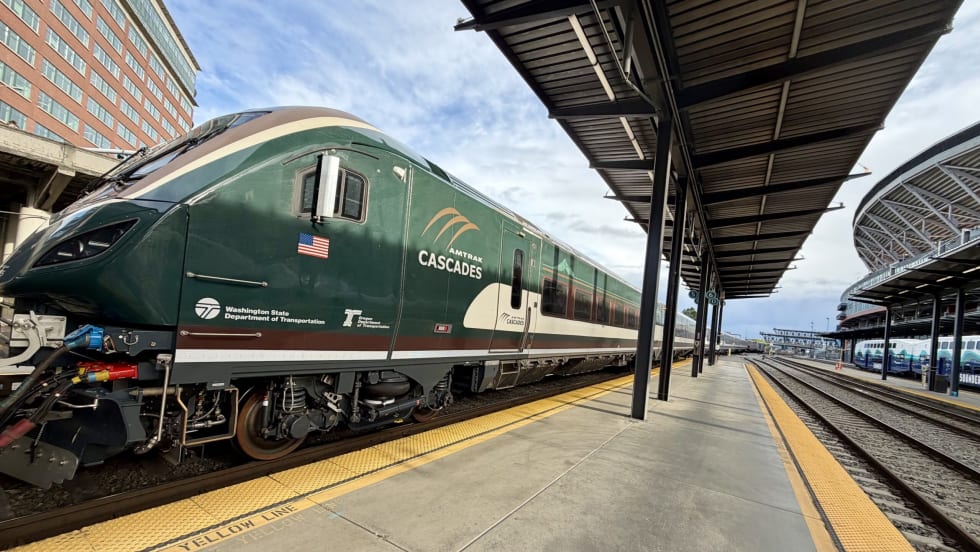
FRA Announces $5.3B in Rail Investments, Including $2B for Amtrak
Funding will support grade-crossing improvements, infrastructure upgrades, and new Amtrak equipment in 23 states.
Read More →
Finding the ‘Happy Medium’: Optimizing Maintenance Without Sacrificing Reliability
The key to maintenance optimization isn’t doing less work—it’s doing the right work at the right time on the right assets.
Read More →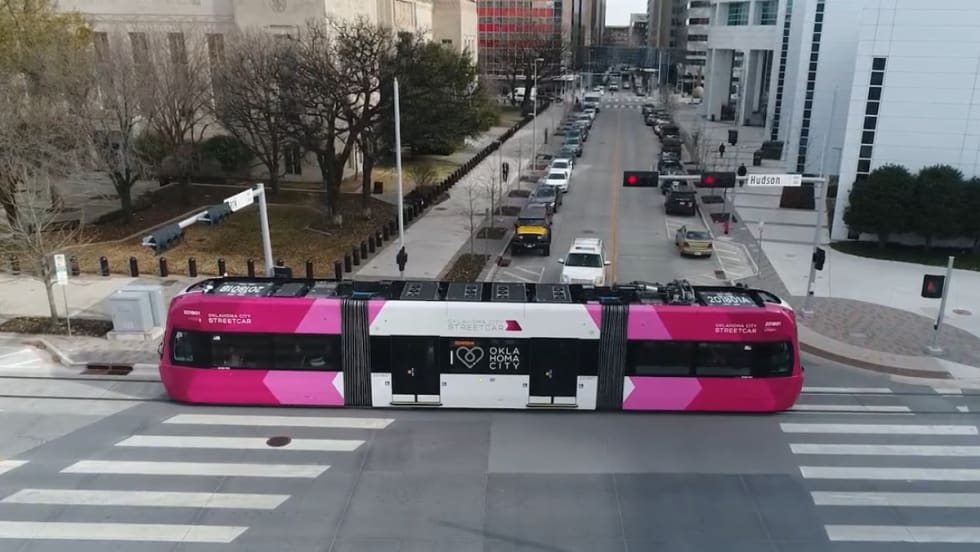
OKC Streetcar Makes Zero-Fare Service Permanent
Ridership increased an average of 71% compared with the same period a year earlier during the fare-free pilot.
Read More →
DART Customer Satisfaction Reaches Six-Year High
Overall satisfaction rose to 74.9%, while the agency’s Net Promoter Score reached a record 33.7.
Read More →
How DART's GoPass Is Redefining Regional Mobility
Serving 14 transit agencies, GoPass simplifies multimodal travel by allowing riders to plan, pay for, and manage an entire trip through one app.
Read More →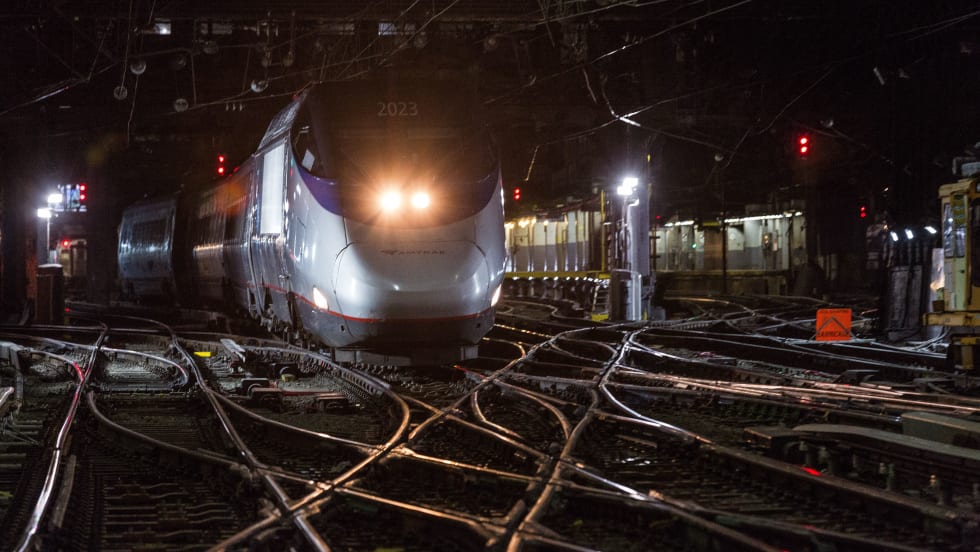
Amtrak Board Advances Plan to Restructure Organization, Seeks Public Input
The proposal, developed by Amtrak management and approved by the board for further consideration, is intended to modernize the organization's structure while improving accountability, operational efficiency, and customer service.
Read More →
Biz Briefs: STV teams with Amtrak, Motorcoach Operators Boost Fleet and Land Contracts, and More
From manufacturers and suppliers to transit agencies and motorcoach operators, these updates offer a snapshot of the projects, partnerships and business moves driving the industry forward.
Read More →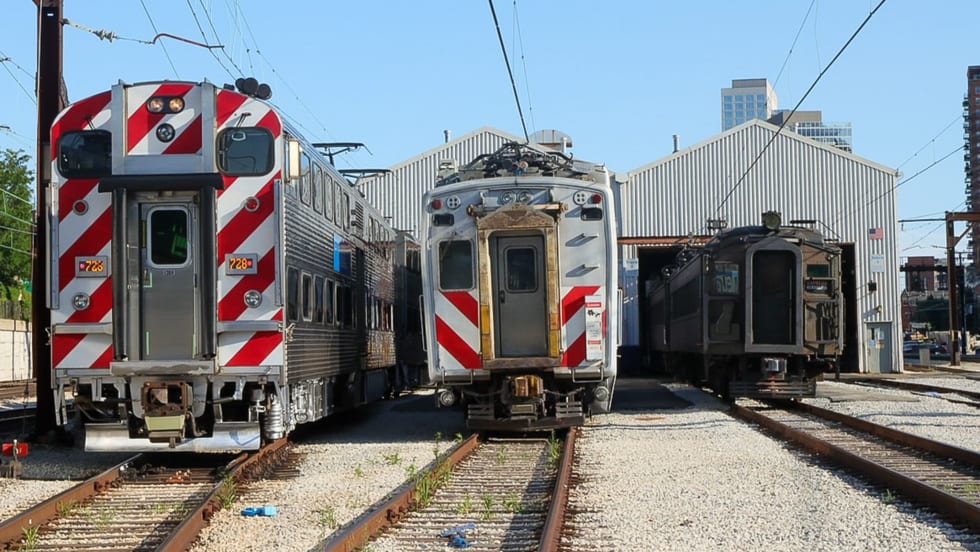
Metra Celebrates 100 Years of Electric Rail, Looks to the Future
The event was also a celebration of recent reforms to public transportation in the Chicago area, changes that could be as transformative in the future as the major civic achievement a century ago, said officials.
Read More →
LA Metro Marks Banner Year, Sets Ambitious Goals for New Fiscal Year
Incoming LA Metro Board Chair and Los Angeles Mayor Karen Bass joined outgoing Board Chair Fernando Dutra and LA Metro CEO Stephanie Wiggins to review accomplishments from fiscal year 2026, which included the opening of new rail extensions, advancement of major transit projects, expanded safety programs, and new rider amenities.
Read More →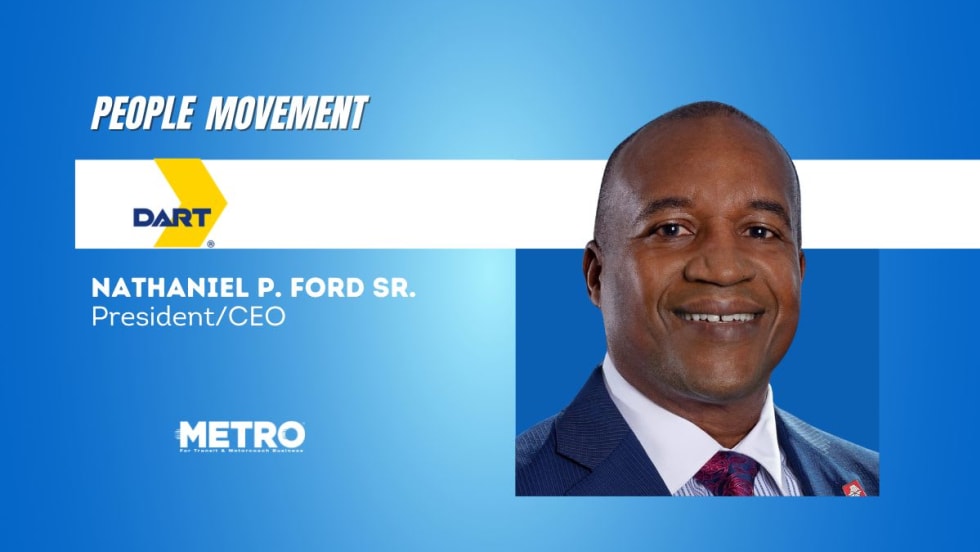
DART Taps Nathaniel P. Ford Sr. as Next President/CEO
Since 2012, Ford has served as the CEO of the Jacksonville Transportation Authority
Read More →