




RELATED: Peoria, Ariz. to launch driverless pilot with Beep, Navya
Only 12% of drivers would feel safe in driverless car, report says
72% of U.S. adults would feel safer riding in a self-driving car if they had the ability to take over control if something goes wrong.
March 10, 2020
3 min to read
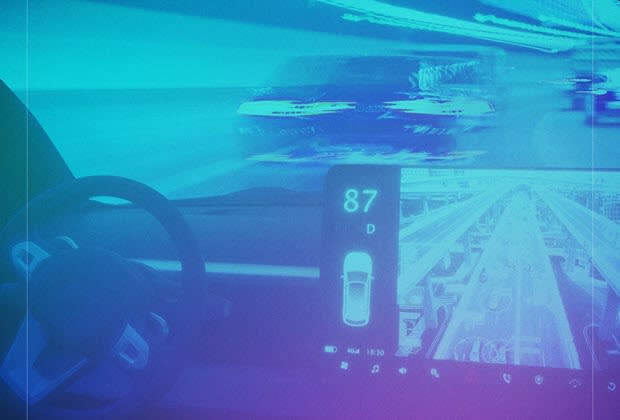
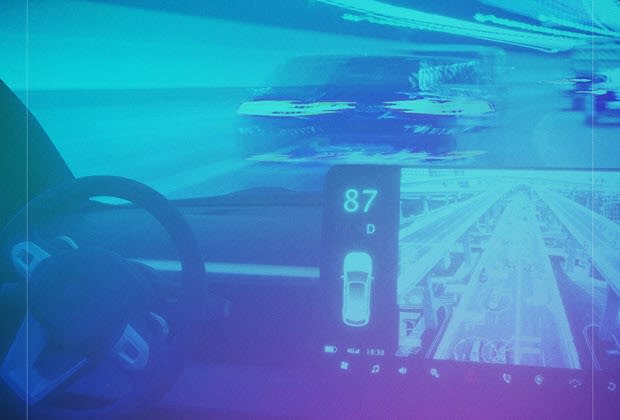
Seven in ten (72%) U.S. adults would feel safer riding in a self-driving car if they had the ability to take over control if something goes wrong. AAA
A new AAA survey on automated vehicles reveals that only one in ten drivers (12%) would trust riding in a self-driving car. Even more Americans — 28% — don’t know how they feel about the technology, signaling consumers are stuck in neutral on the road to accepting self-driving cars. AAA believes consumer sentiment of automated vehicles will be driven by tangible information on key issues and, equally important, quality education and experience.
Consumers told AAA that they have a desire to see more news stories or public information on key issues surrounding self-driving vehicles like safety and liability:
Six in ten (57%) Americans say they would like to have a clear understanding of who will be legally responsible in the event of a crash with a self-driving vehicle.
Half (51%) are interested about laws to make sure self-driving cars are safe.
Half (49%) want to know how vulnerable the vehicles will be to hackers.
AAA B-ROLL_Self Driving Automobiles_GoMentumStation Testing Facility from Daniel Armbruster on Vimeo.
“Consumers have made it clear what it will take to overcome their doubts — consistent and transparent information — which will help make them feel safer about the idea of riding in a self-driving car,” said Greg Brannon, AAA’s director of Automotive Engineering and Industry Relations. “[The survey] tells us when people have the opportunity to take back control or even build their understanding of how this technology works, they are much more likely to embrace it.”
Americans specifically voiced their opinion on what would make them feel safer about self-driving cars. Those results include:
Seven in ten (72%) U.S. adults would feel safer riding in a self-driving car if they had the ability to take over control if something goes wrong.
A similar proportion (69%) would feel safer if there was a human backup driver.
Half (47%) would feel safer knowing the self-driving car has passed rigorous testing and inspections.
Four in ten (42%) would feel safer after seeing or experiencing a demonstration prior to getting into a self-driving car.
“Knowing how people truly feel about self-driving cars will help the industry to identify the steps needed to move consumers towards greater acceptance,” continued Brannon.
The Automobile Club of Southern California’s Automotive Research Center has evaluated vehicles with partial autonomous vehicle technology and has found that while the technology has benefits, it is not flawless.
“Even partially automated vehicles are not one hundred percent reliable. That’s why the Auto Club’s Automotive Research Center will continue to evaluate automated technology, as it evolves, for the benefit of consumers,” said Megan McKernan, manager of the Auto Club’s Automotive Research Center.
Today, there are partial or semi-automated vehicles on the road. However, a fully automated fleet is still decades away. AAA conducts research like this study and others to help inform and encourage the industry, media and policymakers to find ways to help consumers connect better with advanced vehicle technology.
More New Mobility

From Hardware to Digital Partner: Luminator Charts Its Next Chapter
CEO Magnus Friberg discusses Luminator’s shift toward becoming a digital partner, the growing importance of software and interoperability, and how AI can help agencies improve operations and passenger experience.
Read More →
Biz Briefs: Alstom Lands Canadian Contract, LYT to Supply California TSP, and More
In METRO's latest installment, we take a look at recent news from Complete Coach Works, Beep, FlixBus, and more partnerships making headlines across the transportation sector.
Read More →
CharterUP’s Armir Harris on Technology, AI, and the Future of Group Mobility
In a recent episode of METROspectives, CharterUP Founder/CEO Armir Harris discussed the company’s evolution from an online charter bus marketplace into a technology platform supporting public- and private-sector mobility and much more.
Read More →
Jacksonville’s NAVI Project Charts a New Course for Autonomous Public Transportation
Through its NAVI program, JTA is showing how autonomous vehicles, intelligent infrastructure, and coordinated operations can work together to deliver everyday public transportation.
Read More →
Biz Briefs: Luminator Marks Milestone and More
From manufacturers and suppliers to transit agencies and motorcoach operators, these updates offer a snapshot of the projects, partnerships and business moves driving the industry forward.
Read More →
New Tricks for Old Bureaucracies: Joshua Schank on Making Transit Innovation Stick
Former LA Metro Chief Innovation Officer Joshua Schank discusses why good ideas aren't enough, how transit agencies can overcome resistance to change, and why today's challenges demand more innovation.
Read More →
How DART's GoPass Is Redefining Regional Mobility
Serving 14 transit agencies, GoPass simplifies multimodal travel by allowing riders to plan, pay for, and manage an entire trip through one app.
Read More →
Biz Briefs: OCTA Taps Clean Energy for Hydrogen Station, Stadler to Supply Via Rail Vehicles, and More
From manufacturers and suppliers to transit agencies and motorcoach operators, these updates offer a snapshot of the projects, partnerships and business moves driving the industry forward.
Read More →CharterUP Expands Into New Mobility and Autonomous Transportation
Vice President of New Mobility Stephen Joos discusses how CharterUP is leveraging its nationwide transportation network, technology platform, and autonomous vehicle partnerships to expand into workforce mobility, campus shuttles, and transit solutions.
Read More →
METRO Magazine Announces 2026 Innovative Solutions Awards Winners
Projects Recognized for Advancing Mobility Through Technology, Accessibility, Workforce Innovation, and Operational Excellence
Read More →