



Photo exhibit gives N.Y. subway-goers cool views
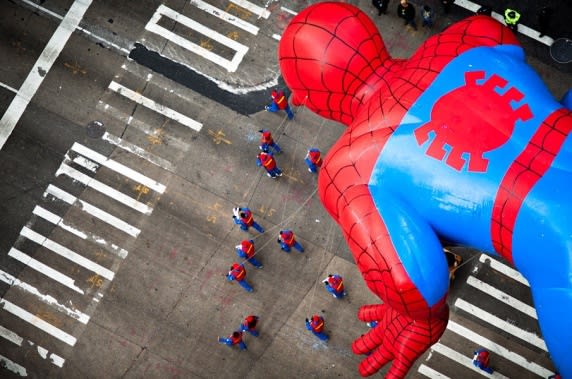
Photographer Navid Baraty had his camera strapped to his wrist, as he leaned out windows, and on ledges, gaining a view that that gives a new perspective on our role as city dwellers, navigating traffic and getting around the city.

MTA Arts for Transit and Urban Design - Navid Baraty

Seven large-scale photographs showing thrilling and unique views looking down at brightly colored Manhattan intersections are now on display in New York's Bowling Green subway station.
The exhibit is the latest installation of MTA Arts for Transit and Urban Design’s large-scale photography exhibitions, which are posted four times a year within New York’s public transportation system.

Photographer Navid Baraty, whose work has appeared in National Geographic and other publications, was fascinated with the views seen while photographing from midtown skyscrapers and later photographed the Thanksgiving Day Parade from a similar angle in the sky. In his exploration of city views from high up, Baraty had his camera strapped to his wrist, as he leaned out windows and on ledges, gaining a view that that gives a new perspective on our role as city dwellers, navigating traffic and getting around the city.
“Everyone walks around Manhattan looking up at the giant skyscrapers, but very few get the chance to look down from so many different vantage points,” he said.

The photographs are angled downward while viewers at the station are looking straight ahead, providing a disorienting shift and furthering the impact of these stunning images. The light shifts in the images from daytime to nighttime and street markings and patterns are replaced with glowing illumination.

“The Lightbox Program lets us showcase a variety of photographers and a wide range of work; Navid Baraty’s work has an excitement and adventurous spirit that lets our riders feel as if they are scaling the rooftops as they traverse the city, underground,” said Lester Burg, sr. manager for MTA Arts for Transit and Urban Design.
The exhibit will remain on view through 2014.
RELATED:"Masstransiscope" video

More Rail
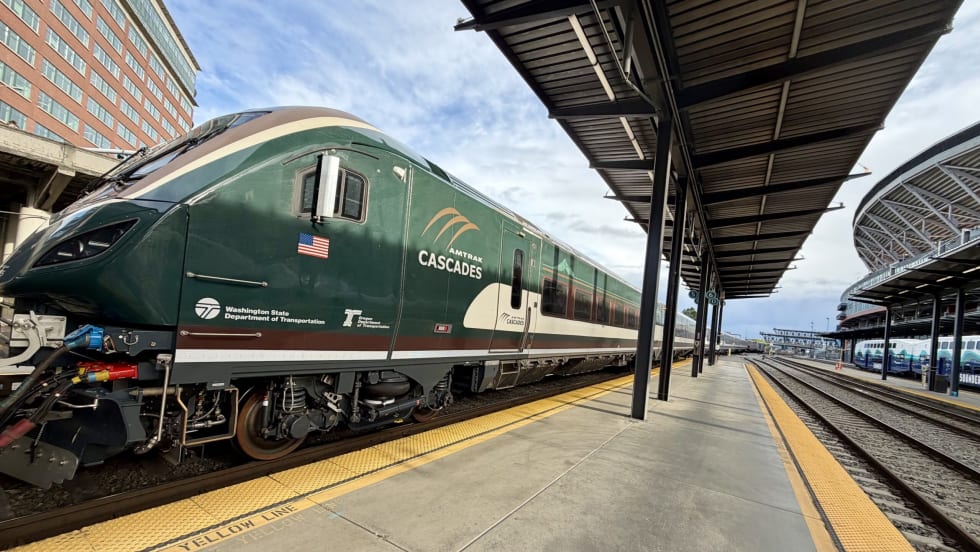
FRA Announces $5.3B in Rail Investments, Including $2B for Amtrak
Funding will support grade-crossing improvements, infrastructure upgrades, and new Amtrak equipment in 23 states.
Read More →
Finding the ‘Happy Medium’: Optimizing Maintenance Without Sacrificing Reliability
The key to maintenance optimization isn’t doing less work—it’s doing the right work at the right time on the right assets.
Read More →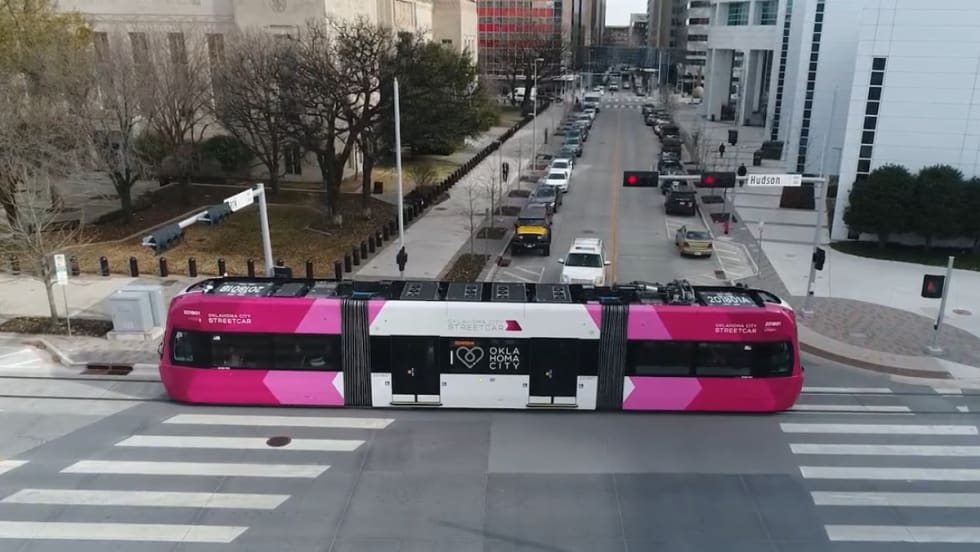
OKC Streetcar Makes Zero-Fare Service Permanent
Ridership increased an average of 71% compared with the same period a year earlier during the fare-free pilot.
Read More →
DART Customer Satisfaction Reaches Six-Year High
Overall satisfaction rose to 74.9%, while the agency’s Net Promoter Score reached a record 33.7.
Read More →
How DART's GoPass Is Redefining Regional Mobility
Serving 14 transit agencies, GoPass simplifies multimodal travel by allowing riders to plan, pay for, and manage an entire trip through one app.
Read More →
Amtrak Board Advances Plan to Restructure Organization, Seeks Public Input
The proposal, developed by Amtrak management and approved by the board for further consideration, is intended to modernize the organization's structure while improving accountability, operational efficiency, and customer service.
Read More →
Biz Briefs: STV teams with Amtrak, Motorcoach Operators Boost Fleet and Land Contracts, and More
From manufacturers and suppliers to transit agencies and motorcoach operators, these updates offer a snapshot of the projects, partnerships and business moves driving the industry forward.
Read More →
Metra Celebrates 100 Years of Electric Rail, Looks to the Future
The event was also a celebration of recent reforms to public transportation in the Chicago area, changes that could be as transformative in the future as the major civic achievement a century ago, said officials.
Read More →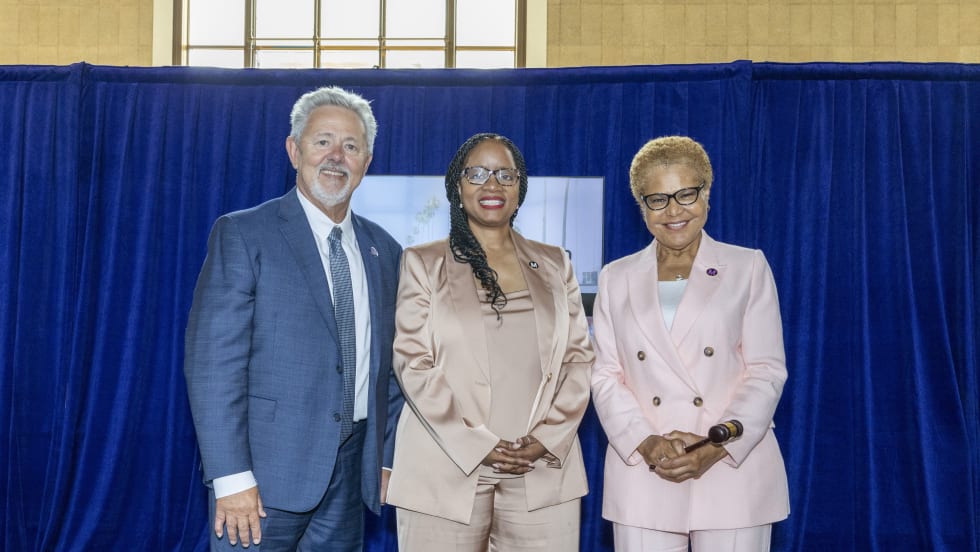
LA Metro Marks Banner Year, Sets Ambitious Goals for New Fiscal Year
Incoming LA Metro Board Chair and Los Angeles Mayor Karen Bass joined outgoing Board Chair Fernando Dutra and LA Metro CEO Stephanie Wiggins to review accomplishments from fiscal year 2026, which included the opening of new rail extensions, advancement of major transit projects, expanded safety programs, and new rider amenities.
Read More →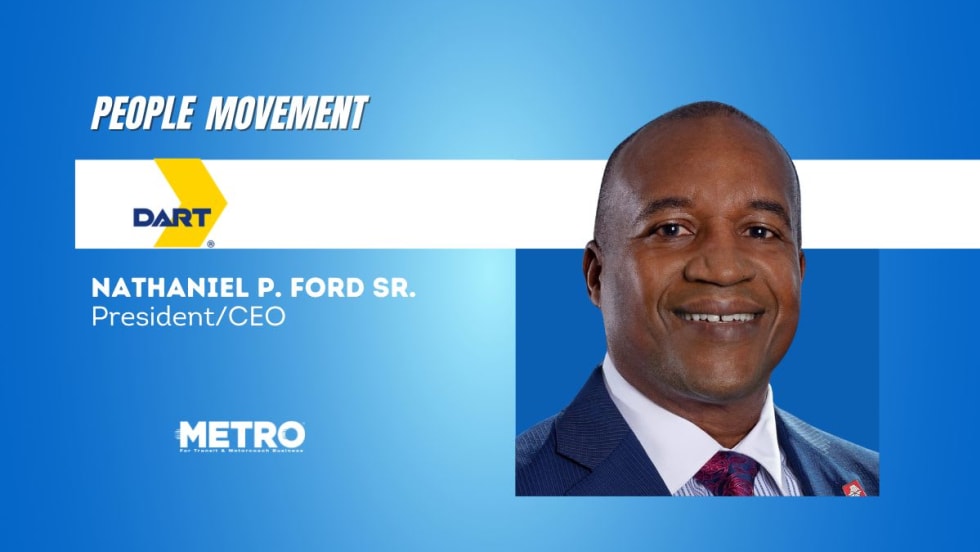
DART Taps Nathaniel P. Ford Sr. as Next President/CEO
Since 2012, Ford has served as the CEO of the Jacksonville Transportation Authority
Read More →