




RELATED: Former GM to return to MBTA
Prince receives Hall of Fame distinction
Robert Prince is currently retired from AECOM where he served as VP, transit business development director. He continues work with Gannon Consult. In his past role as Chairman of the Conference of Minority Transportation Officials, Prince continues to give back to the industry.
October 11, 2017
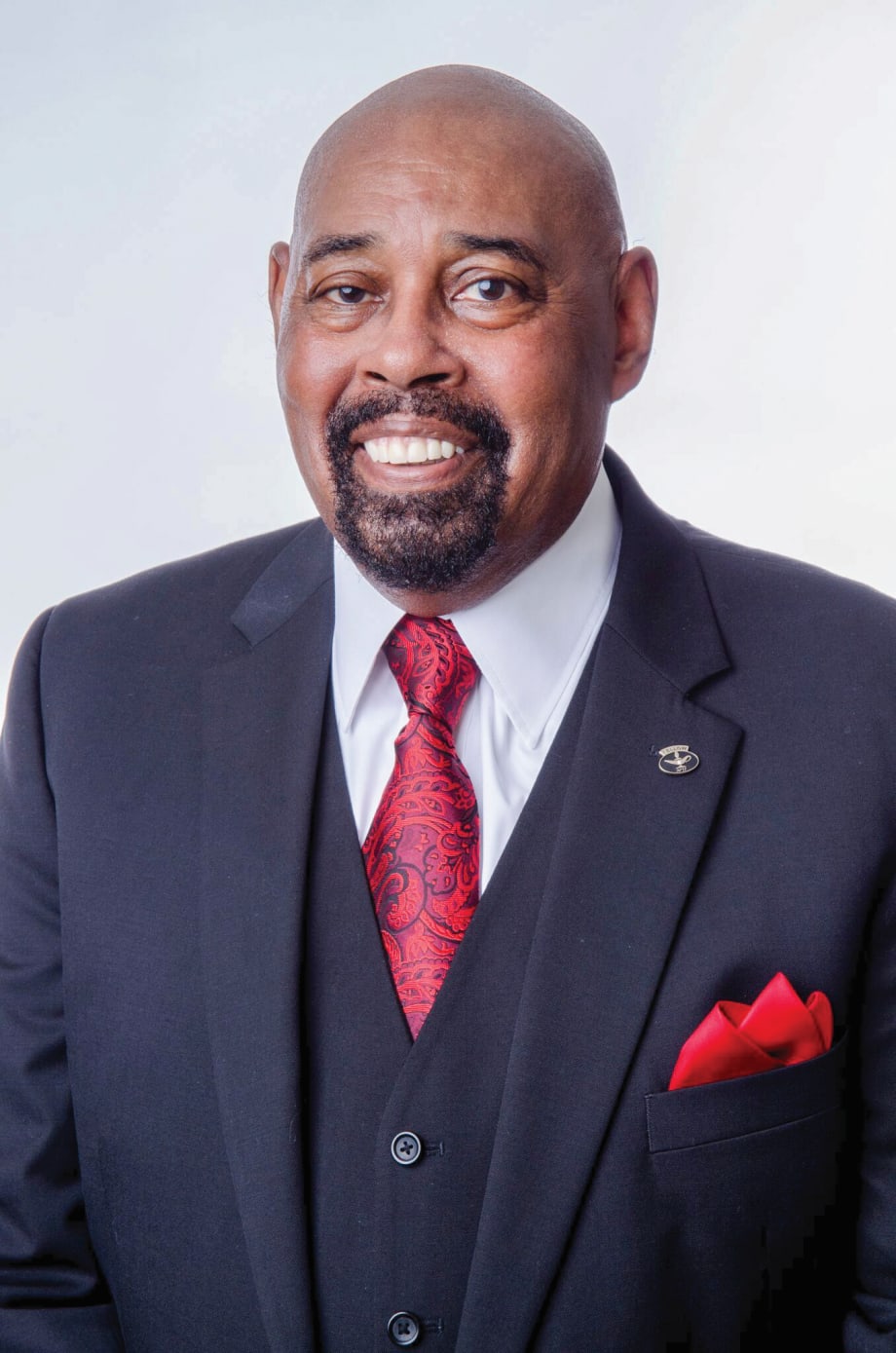
Prince
3 min to read
Prince
Robert Prince served as the GM at the Massachusetts Bay Transportation Authority in Boston from 1997 to 2001, culminating a 25-year career that began as a bus operator and progressed through over 20 jobs at the authority. As GM, Prince oversaw the management of over 6,500 employees at an agency that transported over one million commuters each day. He is currently retired from AECOM where he served as VP, transit business development director. He continues work with Gannon Consult. In his past role as Chairman of the Conference of Minority Transportation Officials, Prince continues to give back to the industry.
How did you get involved in the industry?
Having used the T all my life, from going to school to shopping with my mom, the T was my only means of transportation. So when the opportunity became available for bus operators, I signed on, although I’d never driven anything larger than a Volkswagen.
What did you take away from the experience?
As a user of the system, I had an appreciation for safe, on-time service delivery.
What pivotal moment in your career helped you get to where you are today?
I would have to say the blizzard of 1978. At that time, I was an operator living in Brookline, Mass. The Governor had declared Martial Law and the only people allowed to drive were emergency personnel, fire, police, and EMTs. I had informed the garage I worked out of, which was in Quincy, Mass., that I would be in. Well, the National Guard had other thoughts, and I was instructed to put my car away. I will point out he was armed, and even back then, I knew not to argue. So, I walked to Quincy through the storm approximately seven miles. The story went around the authority and it was clear to managers that I was a person of his word, committed to go that extra mile, pardon the pun. I’ve carried that ethic throughout my career.
Name an initiative you worked on that you’re proud of?
I am proud of spearheading Massachusetts’ first bus rapid transit system. I am also proud of bringing attention to and making ‘State of Good Repair’ a priority at the MBTA.
Running the ‘Oldest subway system in America’ had its challenges, to say the least. Most important was the investment into the infrastructure. Not a popular issue back then as expansion was more important to most. For me, it was fixing and maintaining our existing infrastructure. Today, it’s a transit must.
What key lessons have you learned from your career?
I learned to listen, and appreciate the men and women who provided the service daily. Humility, leaving things better than you found them, and not being caught up on who cuts the ribbon. I learned to stay true to your beliefs, even though they may not be popular at that time.
More Management

METRO Opens Submissions for 2026 Motorcoach Awards
Nominations are now being accepted for METRO Magazine’s Operator of the Year and Innovative Operator of the Year awards.
Read More →
New York MTA Advances Final Contract for Second Avenue Subway Expansion
Contract Four is the largest in the Second Avenue Subway Phase 2 project and includes construction of station infrastructure, tracks, and signals for the subway expansion, MTA officials said. Work on Contract Four will begin in 2027.
Read More →
Transit Agencies Highlight Safety Gains at National Summit
Leaders from 15 major transit systems shared crime-reduction results and safety initiatives while discussing the role of continued federal support.
Read More →

NITA Names New Leadership, Expands Reduced-Fare Program at First Board Meeting
The new regional transit authority appointed its first board chair and interim executive director while extending reduced fares across CTA, Metra, and Pace for eligible riders.
Read More →
Beyond the Checklist: A Structured Approach to Transit Maintenance
Reliability-Centered Maintenance helps transit agencies move beyond routine checklists to focus limited resources on the assets and failures that have the greatest impact on safety, reliability, and service.
Read More →
APTA 2026 Nominating Committee Selects Leadership Slate, Names Chair and Vice Chair Nominees
Leadership changes will help shape the association’s priorities and its representation of the transportation industry during the 2026–2027 term.
Read More →
DART Launches Major Security, Fare Enforcement Initiative
The 90-day demonstration will deploy coordinated security teams at five light rail stations while testing controlled access and gathering data to guide future investments.
Read More →
Sponsored•September 9, 2026
Advancing Fare Collection Through Technology and Innovation
Learn about delivering 1300 gates at 91 stations while managing fare evasion. Explore the large scale deployment, solution customization and real-world results that affect the region. Prepare for deployment in your region now.
Read More →
Game Day in Motion: Moving Millions During the 2026 World Cup
Between packed transit stations and team motorcoaches, see how agencies and operators across North America tackled the transportation demands of the 2026 FIFA World Cup.
Read More →
Surface Transportation Extension Averts Shutdown, Leaves Transit Funding Gap
The stopgap keeps federal transportation programs moving, but missing advance funding could complicate the transit and rail projects agencies are planning next.
Read More →