



Proterra signs contract with Fla.'s StarMetro
To deliver three new EcoRide zero-emission transit buses and a charging station to the Tallahassee, Fla.-based agency per an FTA grant.

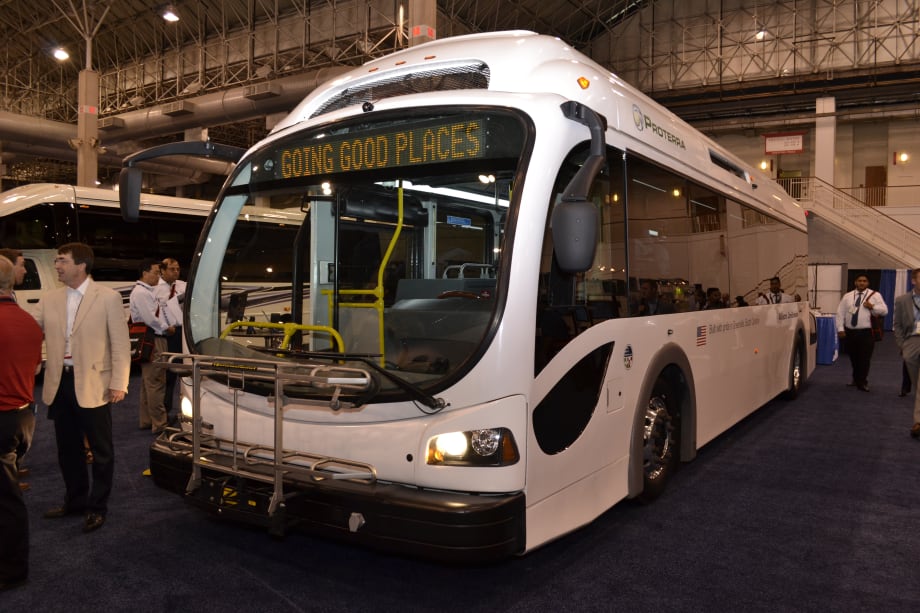

Proterra, the maker of zero-emission commercial transit solutions, signed an agreement with StarMetro, the transit provider in Tallahassee, Fla., to deliver three new EcoRide zero-emission transit buses and a charging station.
The contract stems from a Federal Transit Administration (FTA) grant received by StarMetro to pursue fast-charge, electric transit buses and charging stations.
Six other major urban transit agencies received similar FTA grants. Foothill Transit in Pomona, Calif., is already operating three EcoRide buses and VIA San Antonio Transit will deploy its EcoRide buses later this year. The four other agencies that issuing requests for proposal are Regional Transportation Commission in Reno, Nev., King County Metro Transit in Seattle, Wash., Chicago Transit Authority and Fresno Area Express in Fresno, Calif.
Proterra’s clean transit solutions offer California transit agencies a way to address the Zero Emission Bus (Zbus) rule, which requires large California agencies to purchase 15 percent of their annual bus orders as zero-emission buses starting in 2012. StarMetro plans to have the buses in service by the spring of 2012.
With manufacturing in Greenville, S.C., Proterra is a designer and manufacturer of heavy-duty electric drive systems, energy storage systems, vehicle control systems, transit buses and fast-charging stations. Proterra’s systems are scalable to all forms of commercial buses.
More Bus

From Surviving to Thriving: Building Stronger Transportation Organizations
Bus Business Consultants founder Brian Dickson shares lessons on leadership, organizational health, and creating options for long-term success in a changing transportation industry.
Read More →
Finding the ‘Happy Medium’: Optimizing Maintenance Without Sacrificing Reliability
The key to maintenance optimization isn’t doing less work—it’s doing the right work at the right time on the right assets.
Read More →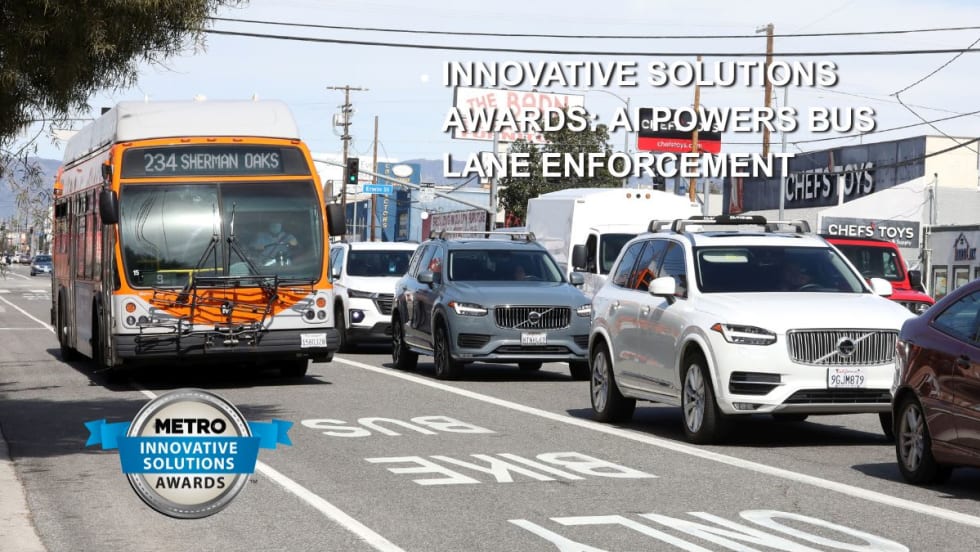
LA Metro, City of West Hollywood, and Partners Advance Smarter Bus Lane Enforcement
The award-winning partnership combines AI-powered detection with human oversight to improve bus reliability, accessibility, and enforcement efficiency.
Read More →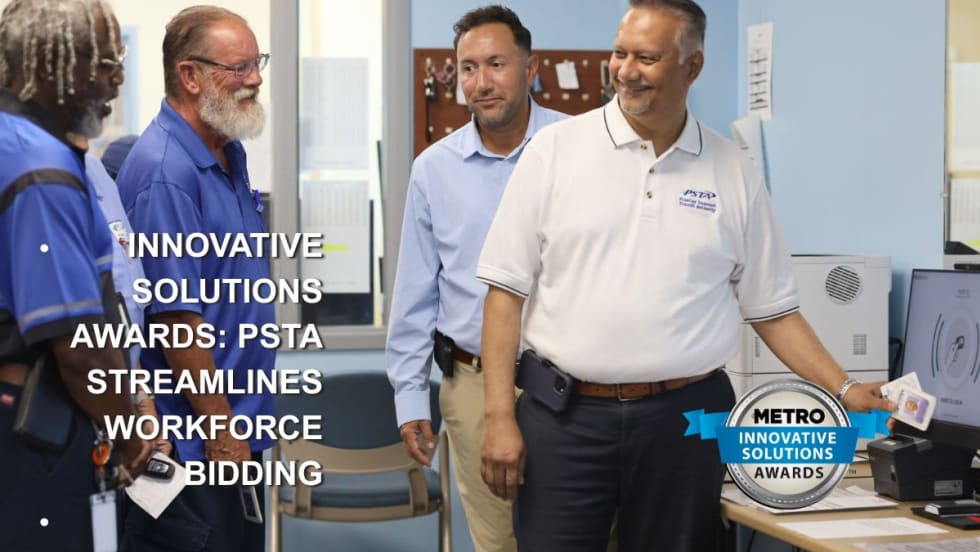
PSTA Modernizes Workforce Management with Digital Bidding System
The award-winning Workforce Transit Modernization project replaced paper bidding with a transparent digital platform, cutting administrative effort while improving access for operators.
Read More →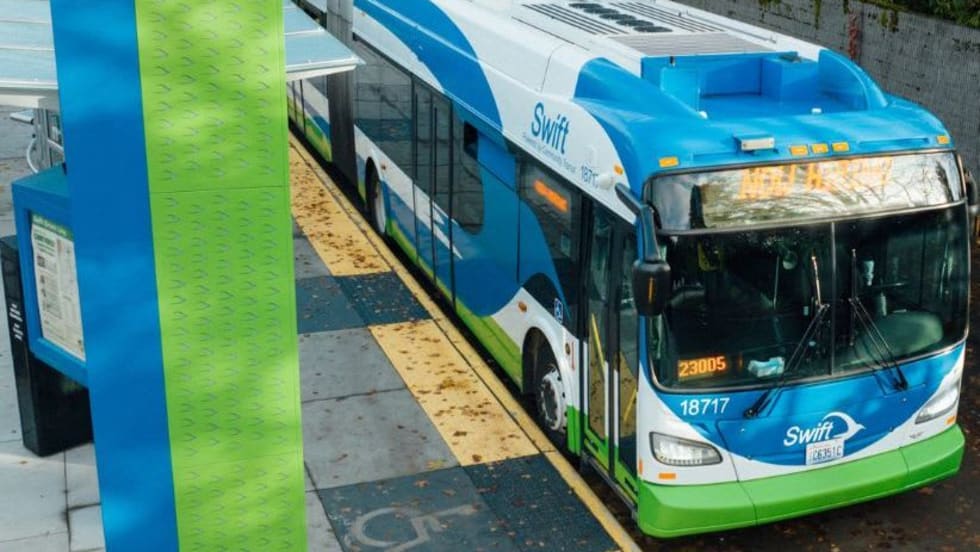
Washington's Community Transit Sets Six-Year Roadmap for Growth, Expansion
Approved TDP targets more bus service, new mobility options, Swift BRT expansion, and a potential Everett Transit annexation.
Read More →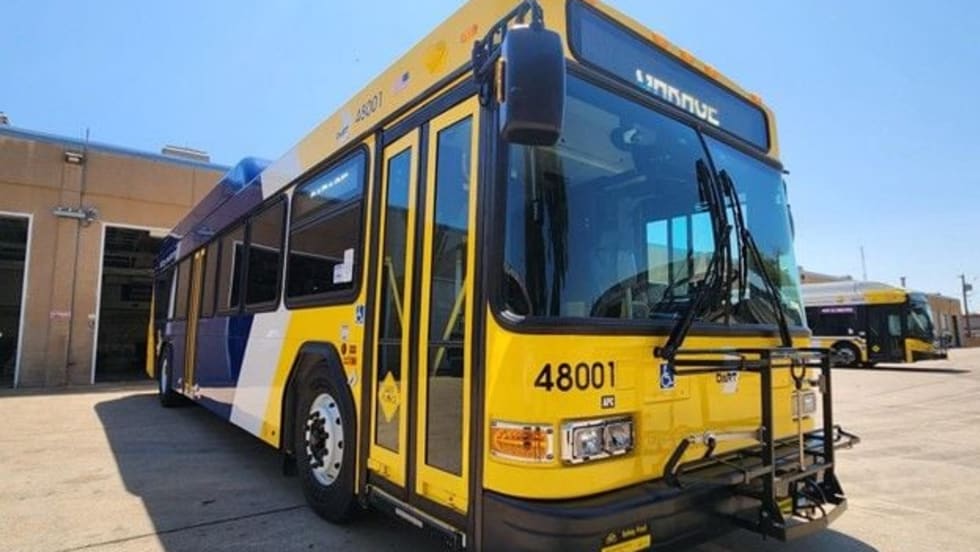
DART Customer Satisfaction Reaches Six-Year High
Overall satisfaction rose to 74.9%, while the agency’s Net Promoter Score reached a record 33.7.
Read More →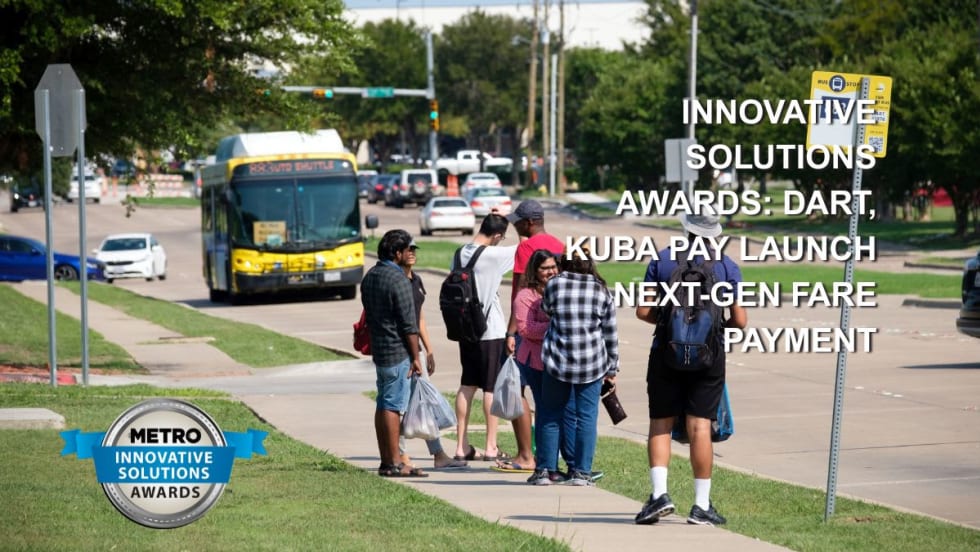
How DART's GoPass Is Redefining Regional Mobility
Serving 14 transit agencies, GoPass simplifies multimodal travel by allowing riders to plan, pay for, and manage an entire trip through one app.
Read More →
Biz Briefs: OCTA Taps Clean Energy for Hydrogen Station, Stadler to Supply Via Rail Vehicles, and More
From manufacturers and suppliers to transit agencies and motorcoach operators, these updates offer a snapshot of the projects, partnerships and business moves driving the industry forward.
Read More →
METRO Magazine Announces 2026 Innovative Solutions Awards Winners
Projects Recognized for Advancing Mobility Through Technology, Accessibility, Workforce Innovation, and Operational Excellence
Read More →
Biz Briefs: STV teams with Amtrak, Motorcoach Operators Boost Fleet and Land Contracts, and More
From manufacturers and suppliers to transit agencies and motorcoach operators, these updates offer a snapshot of the projects, partnerships and business moves driving the industry forward.
Read More →