



Rail systems continue to make progress on PTC implementation
Safety tech is in operation on 71% of freight railroads’ required route miles, and 26% of passenger railroads’ required route miles.

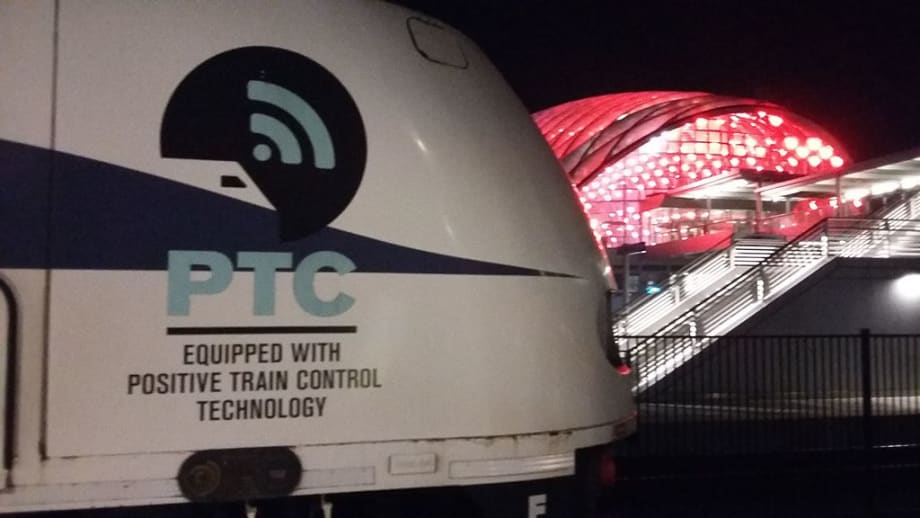
On August 24, FRA announced $203 million in grant awards for PTC implementation to 28 projects in 15 states.
xnatedawgx
On August 24, FRA announced $203 million in grant awards for PTC implementation to 28 projects in 15 states.
xnatedawgx
The Federal Railroad Administration (FRA) released the 2018 Quarter 3 Positive Train Control (PTC) data, showing railroads’ continued progress toward meeting the year-end deadline for fully implementing PTC systems or qualifying for an alternative schedule.
“The progress made over the last year is a testament to what can be accomplished with proper focus and attention. We encourage any railroads seeking an alternative schedule to submit their formal requests in a timely fashion,” said FRA Administrator Ronald L. Batory.
The Quarter 3 data as of Sept. 30, shows 24 railroads have installed 100% of the PTC system hardware required for implementation. Eleven other railroads have installed between 95% and 99% of the required hardware. All railroads using radio spectrum-based PTC have acquired sufficient spectrum. In part due to efforts from FRA, Quarter 3 data shows a 67% decrease in the number of “at-risk” railroads, down to five from 15 at the end of 2017. This is also a 44% decrease in at-risk railroads since Quarter 2 of 2018.
On August 24, FRA announced $203 million in grant awards for PTC implementation to 28 projects in 15 states. As of Sept. 30, PTC is in operation on 71% of freight railroads’ required route miles, and 26% of passenger railroads’ required route miles.
FRA considered any railroad that had installed less than 95% of its PTC system hardware to be at risk of not meeting either the congressionally-mandated deadline of Dec. 31, or the statutory criteria necessary to qualify for an alternative schedule. Hardware installation is an initial phase of implementation and only one of six statutory criteria required for an alternative schedule, which has a deadline of no later than Dec. 31, 2020.
The five at-risk railroads as of Quarter 3 are the Capital Metropolitan Transportation Authority, Altamont Corridor Express, New Jersey Transit, Peninsula Corridor Joint Powers Board (Caltrain), and National Railroad Passenger Corporation (Amtrak). Together, they own or control approximately 1,302 route miles of the 58,000 route miles subject to the statutory mandate.
FRA is tracking at-risk railroads’ progress on a month-by-month basis, and this information is posted here. Updates that railroads submitted at the end of October show further significant progress. Members of FRA’s senior staff will continue to work with railroads, helping them meet PTC requirements.
To view FRA’s detailed infographics regarding railroads’ progress toward fully implementing PTC systems as of Sept. 30, 2018, click here.
More Security and Safety

Transit Agencies Highlight Safety Gains at National Summit
Leaders from 15 major transit systems shared crime-reduction results and safety initiatives while discussing the role of continued federal support.
Read More →
DART Launches Major Security, Fare Enforcement Initiative
The 90-day demonstration will deploy coordinated security teams at five light rail stations while testing controlled access and gathering data to guide future investments.
Read More →
RTD Launches NextRide App to Consolidate Trip Planning, Fares, Security Reporting
The app expands on RTD’s existing NextRide web application and allows customers to view real-time vehicle locations and service alerts, purchase and store digital fares, and access customer support.
Read More →

TAPTCO Updates OSHA Compliance Training for Transit Maintenance Operations
The revamped program addresses 26 OSHA standards for maintenance facilities, with TAPTCO pointing to training, documentation, and everyday shop hazards as continuing challenges for transit operations.
Read More →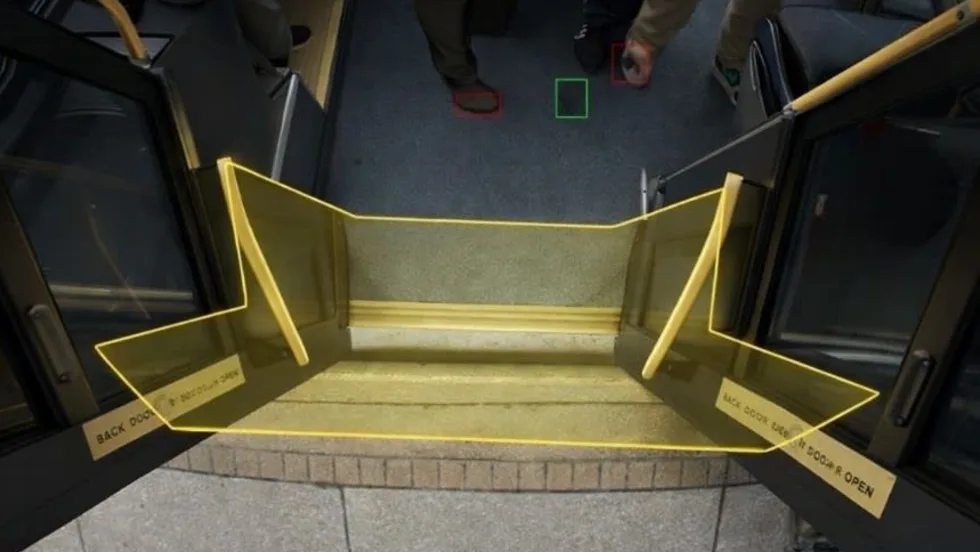
How VaporVision Adds Value to Transit Door Systems
Wabtec engineers explain how the system improves doorway detection, strengthens diagnostics and gives transit agencies and OEMs greater operating flexibility.
Read More →
FRA Announces $5.3B in Rail Investments, Including $2B for Amtrak
Funding will support grade-crossing improvements, infrastructure upgrades, and new Amtrak equipment in 23 states.
Read More →
Chicago, Maryland Expand Non-Law-Enforcement Safety, Rider Support
The CTA and MTA are launching new programs aimed at de-escalation, crisis response, rider assistance, and greater transparency.
Read More →
LA Metro, City of West Hollywood, and Partners Advance Smarter Bus Lane Enforcement
The award-winning partnership combines AI-powered detection with human oversight to improve bus reliability, accessibility, and enforcement efficiency.
Read More →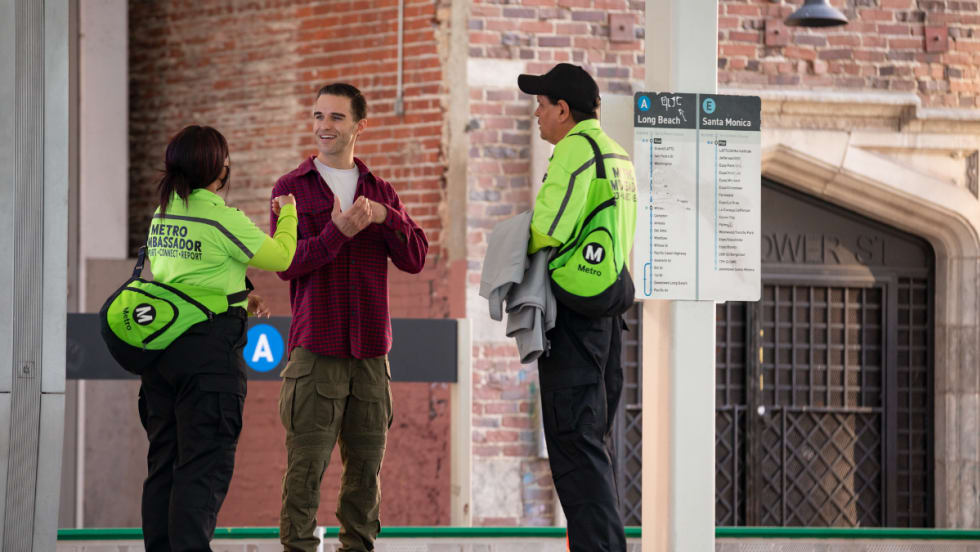
LA Metro Reports 57% Decline in Homelessness on Transit System Since 2024
The agency's latest homelessness count offers new data on how care-based services and cross-sector partnerships can complement traditional transit security strategies.
Read More →
FTA Launches 'Transit Moves America' Dashboard to Highlight Agency Safety and Performance
The online dashboard transforms National Transit Database information into a public-facing resource that allows users to compare transit agencies on key operational and safety metrics.
Read More →