



Report: 3 of 4 say U.S. transportation infrastructure upkeep key
Finding from national poll commissioned by the ARTBA to see how valuable Americans think road and transit network is to the nation, their everyday life, and relative to other modern necessities they routinely rely upon.

Three out of four Americans say having safe, efficient and well-maintained transportation infrastructure is at least, if not more, important to their personal livelihood and well-being than good cable, cell phone, Internet, water, sewage and household electricity and natural gas services, according to a new report.
Those are key findings of a national poll commissioned by the American Road & Transportation Builders Association (ARTBA), to see how valuable Americans think road and transit network is to the nation, their everyday life, and relative to other modern necessities they routinely rely upon.
Poll findings include:
Eight out of 10 Americans (78%) say driving a motor vehicle is “very” or “extremely” important to their ability to conduct their daily lives. Twenty-one percent (including 34% of low income respondents) say the same about using public transportation;
Nearly nine out of 10 respondents (88%) say transportation infrastructure is important to maintaining a strong U.S. economy;
83% say the nation's transportation network is important in ensuring national defense and emergency response capabilities;
71% agree that growing traffic congestion in U.S. metropolitan areas is making products more expensive, because congestion increases transportation costs for businesses.
74% of us agree that “investing in transportation infrastructure should be a core function of the federal government.”
The poll revealed that many Americans probably have no idea how much they are paying each month in the state and federal gas taxes that are the primary source of funding for road and transit capital investments.
Asked the question how much their household pays each month in gas taxes, 40% of respondents say they “don’t know.” According to Federal Highway Administration data, the average U.S. household paid $46 per month in gas taxes in 2011 — the most current year available.
One-quarter of respondents (24%) estimated they pay more than double that amount, which in some cases is likely an overstatement, as this would involve buying enough gas to fuel a household’s cars for nearly 5,400 miles per month, while federal data show the average household with one or more cars drives just over 2,100 miles per month.
U.S. Commerce Department 2011 data show the average household spends about three-and-a-half times more each month for household electricity and natural gas service ($160) than Americans pay in state and federal gas taxes. Americans also pay three-and-a-half times as much monthly, on average, for landline and cell phone service ($161) and nearly two-and-a-half times as much for cable and satellite television, radio and Internet access ($124). Americans pay almost 19% a month more, on average, just for Internet access.
For the research, a total 1,001 interviews of American adults were conducted over the phone from April 4 to 8, collected from the Ipsos Public Affairs telephone omnibus survey, TeleNation. It included both randomly selected landline and cell phone interviews, conducted in either English or Spanish depending on the respondent. The data were weighted to reflect Current Population Study statistics on age within gender, U.S. Census Region, market size, education, race and ethnicity.
More Bus

Brian Dickson on Building Stronger, More Resilient Transportation Organizations
Bus Business Consultants Founder Brian Dickson discusses the leadership principles, operational discipline, and strategic planning that separate transportation companies positioned for long-term success from those stuck in survival mode.
Read More →
LA Metro Breaks Ground on Vermont BRT Project
The 12.4-mile corridor is projected to serve 66,200 daily riders, reduce travel times by up to 24%, and create the nation's busiest bus rapid transit corridor.
Read More →
Roman Cornell on ABC Companies’ Evolution and the Future of Passenger Transportation
The company’s CEO discusses carrying forward a third-generation family legacy, ABC’s continued evolution in passenger transportation, support for increasingly complex fleets, and how technology and continued investment could help operators improve uptime.
Read More →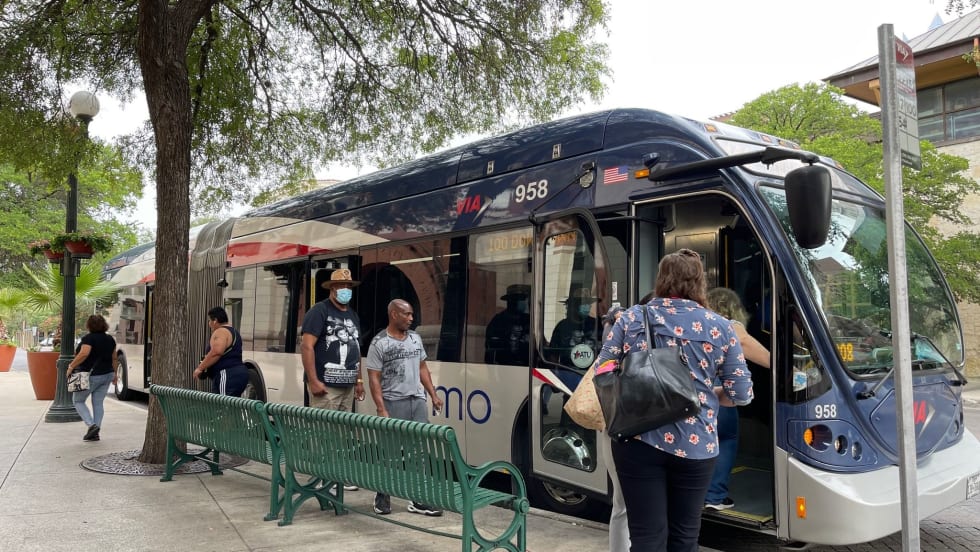
VIA Bus Ridership Grows 10.1% Through August 2026
San Antonio's VIA Metropolitan Transit reported the highest bus ridership growth among major Texas transit systems. Federal Transit Administration data ranked it second among the nation's 50 largest transit systems.
Read More →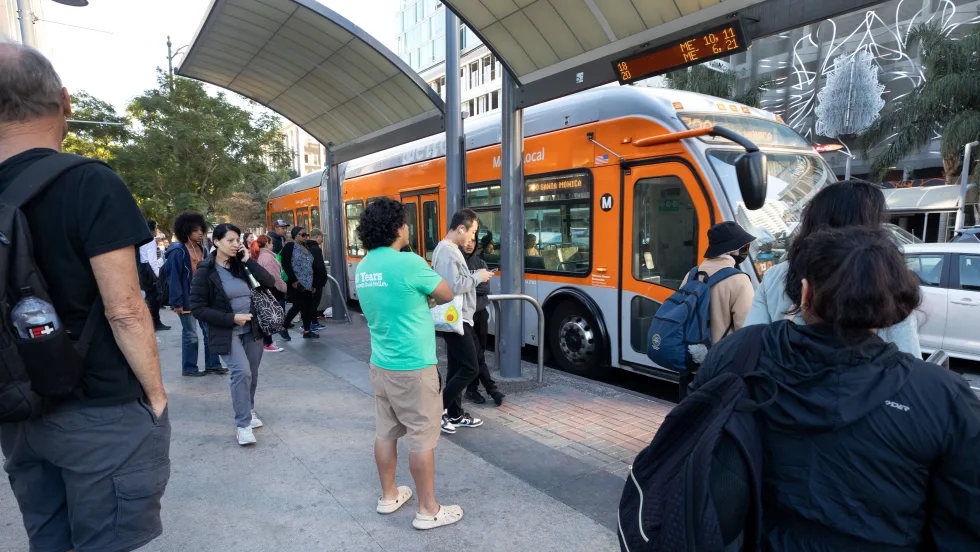
LA Metro September Ridership Climbs 3.9%, Led by Rail Growth
The agency recorded more than 27.2 million boardings, with rail ridership increasing 12.4% year over year and the D Line posting the largest gains.
Read More →
Frontrunner Bus Group Introduces XF Low-Floor Bus with Enhanced Accessibility
The new mid-sized bus features a full flat-floor design, eight-inch curbside step-in height, and zero-entry rear ramp to improve passenger access and operational flexibility.
Read More →
Scenes from APTA TRANSform & EXPO 2026
Transit leaders, manufacturers, and industry professionals gathered in Chicago to explore new technologies, share ideas, and discuss the future of public transportation.
Read More →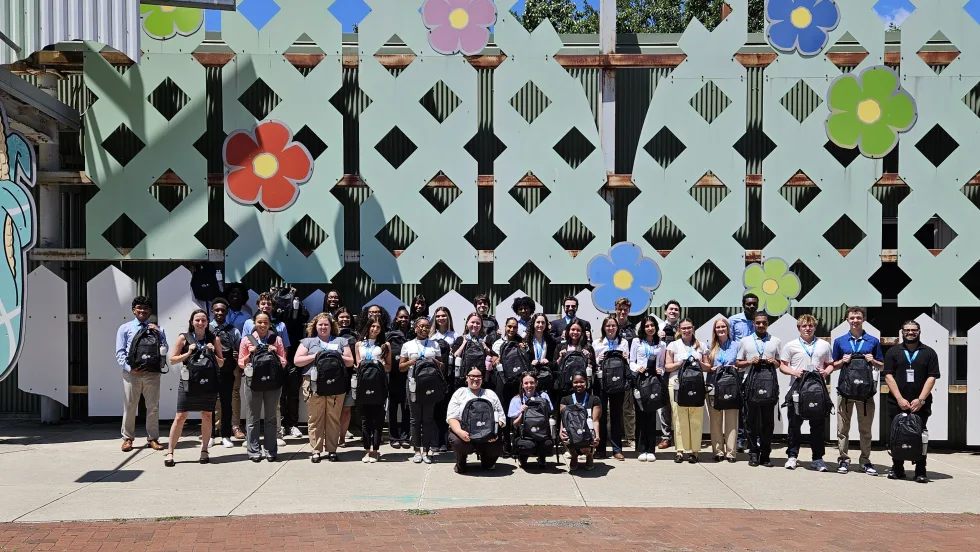
More Than a Summer Job: Building the Next Generation of Transit Talent
The Delaware River Port Authority and PATCO have transformed their internship program into a hands-on professional development experience that introduces students to the breadth of transportation careers — and creates a pipeline for future employees.
Read More →
LA Metro Board Awards 220 Battery-Electric Bus Contract to ENC
The contract, which is the largest base award of battery-electric buses by a U.S. transit agency, will be built in Southern California, sustaining good jobs as LA prepares to welcome the world in 2028
Read More →
Public Transit Conference Returning to GFX in 2027, Call for Papers Now Open
The Call for Papers is now open, allowing transit agency professionals and industry experts to help shape the PTC educational program by submitting session ideas for consideration.
Read More →