



Report: Congress must fix Amtrak
In the past ten years, Amtrak has lost more than $500 million annually, and is projected to continue.

Congress must do more to save Amtrak from a major disruption in service according to a report from the U.S. Department of Transportation's inspector general. In a report of Amtrak's financial performance, Inspector General Kenneth Mead said Congress must decide how to restructure the passenger railroad to stop the cash loss. In the past ten years, Amtrak has lost more than $500 million annually, and is projected to continue. With the amount of money Amtrak recieves, capital has been spread too thinly resulting in a form of Russian roulette, said Mead. This has increased the amount of deferred investments. Capital projects that have been deferred include interlockings, bridges, and tunnels that are well beyond their economic life, as well as 125 cars and 43 locomotives that are unavailable for service. Amtrak President David Gunn has cut costs, but not enough to stem the railroads annual losses. Although Gunn agreed with the assessment, he said "that it will not be possible to live within a $1.2 billion appropropriation without defferring essential capital investment once again." The railroad simply lacks the money, but Mead said the railroad cannot save its way to financial health. "Without clear direction from Congress, Amtrak has taken the position that it should essentially maintain the status quo," Mead said. Recommendations in the report include focusing on development of corridors where passenger rail service can make economic sense; decreased funding and elimination of certain operations; and increased funding for further development of the system.
More Rail
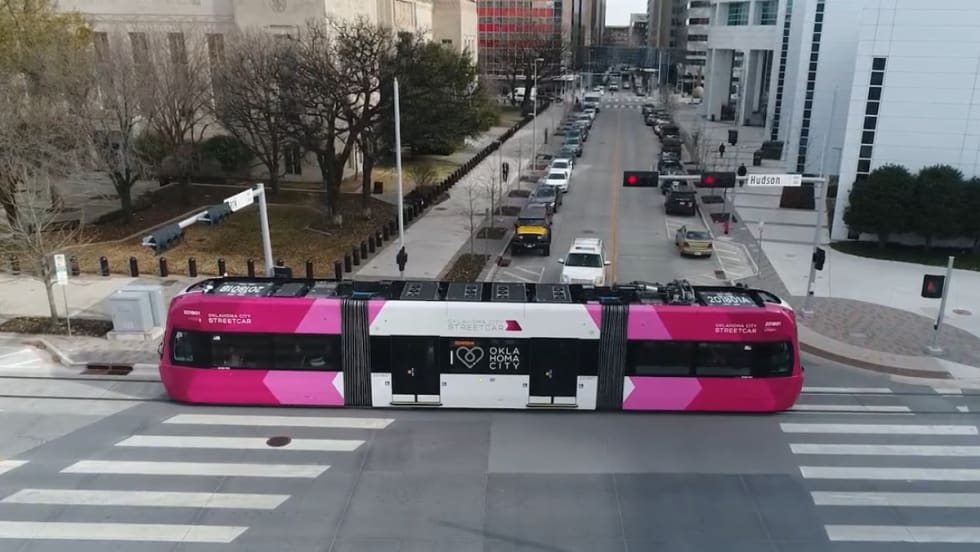
OKC Streetcar Makes Zero-Fare Service Permanent
Ridership increased an average of 71% compared with the same period a year earlier during the fare-free pilot.
Read More →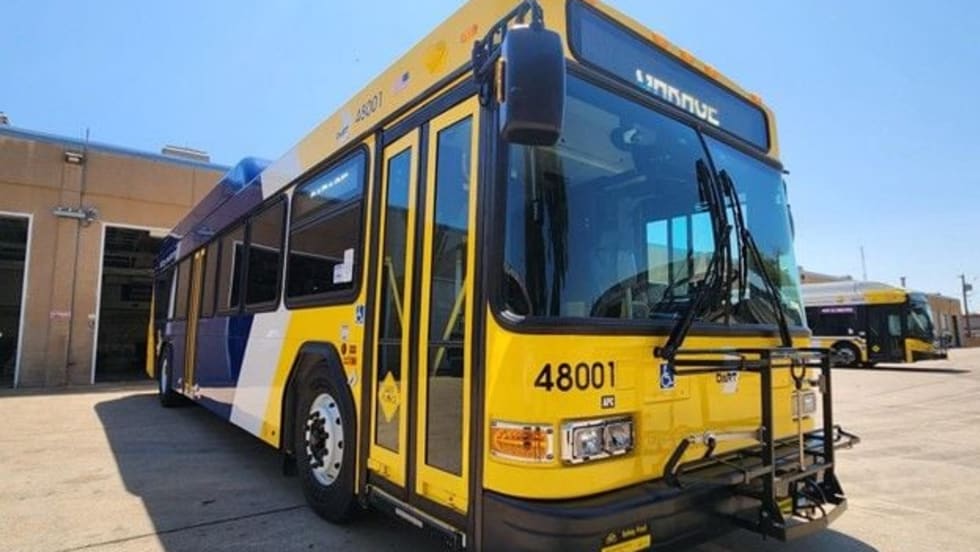
DART Customer Satisfaction Reaches Six-Year High
Overall satisfaction rose to 74.9%, while the agency’s Net Promoter Score reached a record 33.7.
Read More →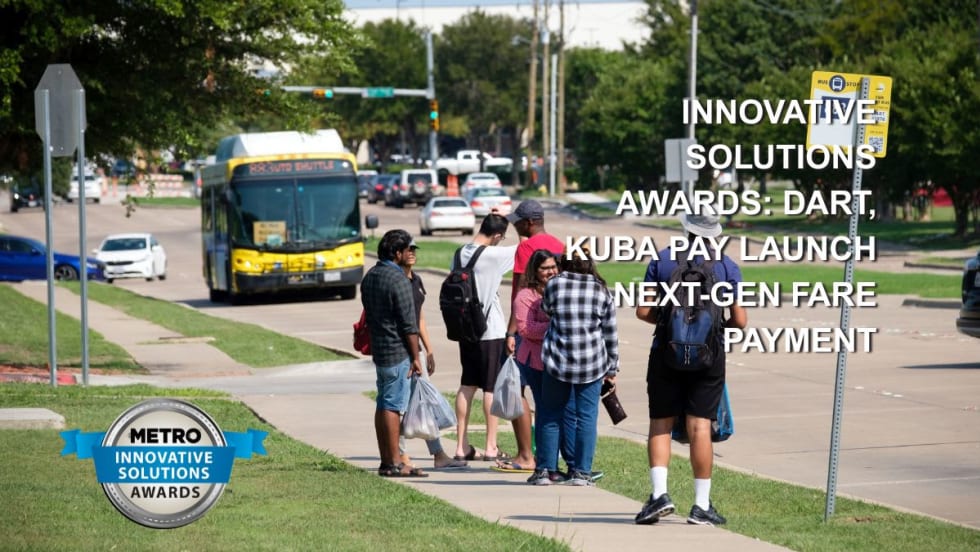
How DART's GoPass Is Redefining Regional Mobility
Serving 14 transit agencies, GoPass simplifies multimodal travel by allowing riders to plan, pay for, and manage an entire trip through one app.
Read More →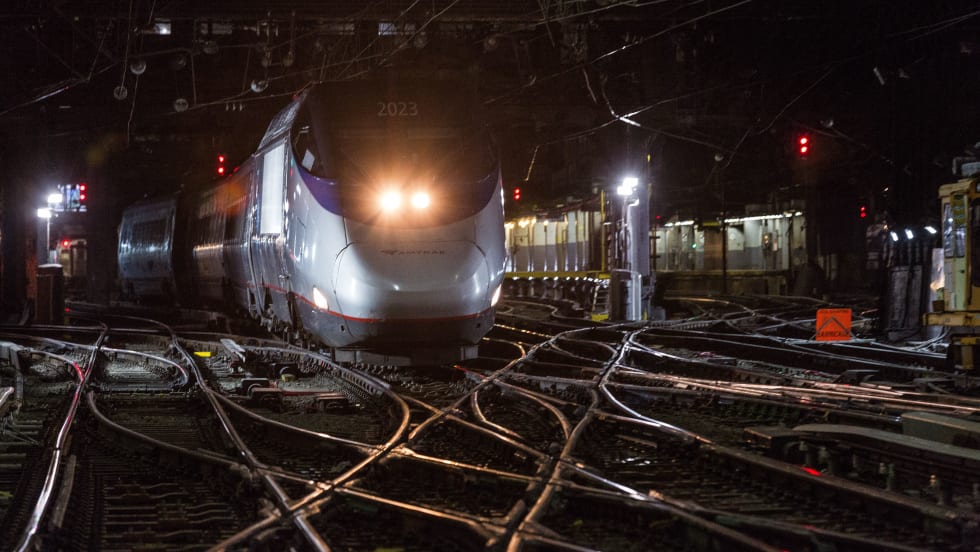
Amtrak Board Advances Plan to Restructure Organization, Seeks Public Input
The proposal, developed by Amtrak management and approved by the board for further consideration, is intended to modernize the organization's structure while improving accountability, operational efficiency, and customer service.
Read More →
Biz Briefs: STV teams with Amtrak, Motorcoach Operators Boost Fleet and Land Contracts, and More
From manufacturers and suppliers to transit agencies and motorcoach operators, these updates offer a snapshot of the projects, partnerships and business moves driving the industry forward.
Read More →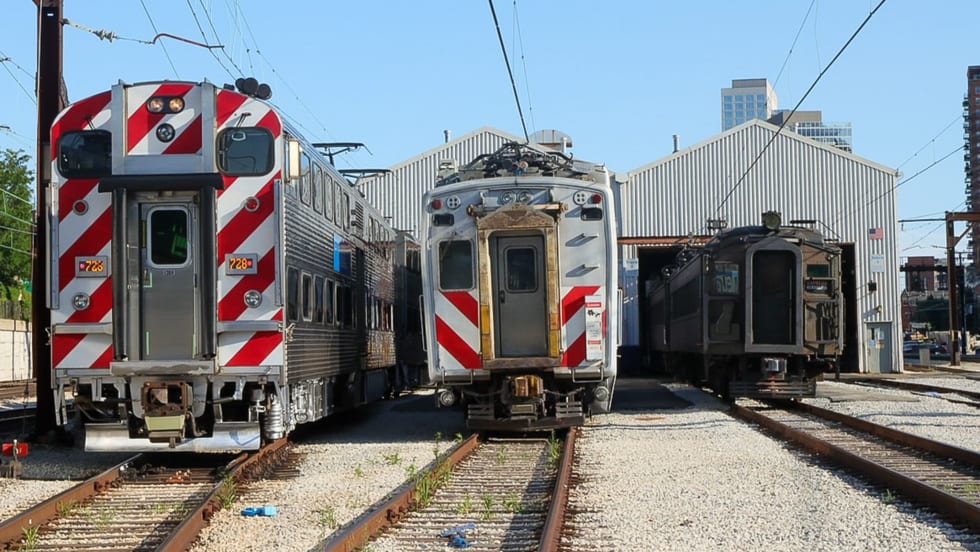
Metra Celebrates 100 Years of Electric Rail, Looks to the Future
The event was also a celebration of recent reforms to public transportation in the Chicago area, changes that could be as transformative in the future as the major civic achievement a century ago, said officials.
Read More →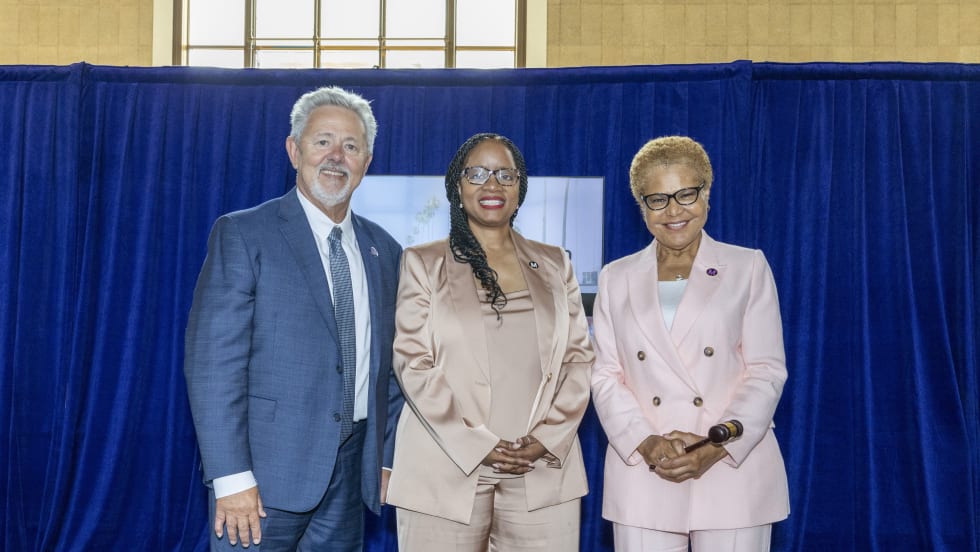
LA Metro Marks Banner Year, Sets Ambitious Goals for New Fiscal Year
Incoming LA Metro Board Chair and Los Angeles Mayor Karen Bass joined outgoing Board Chair Fernando Dutra and LA Metro CEO Stephanie Wiggins to review accomplishments from fiscal year 2026, which included the opening of new rail extensions, advancement of major transit projects, expanded safety programs, and new rider amenities.
Read More →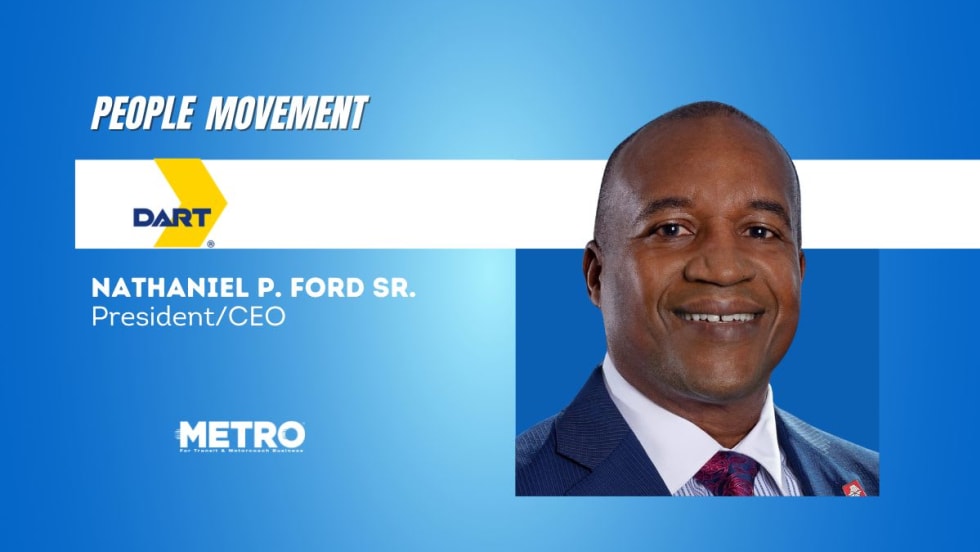
DART Taps Nathaniel P. Ford Sr. as Next President/CEO
Since 2012, Ford has served as the CEO of the Jacksonville Transportation Authority
Read More →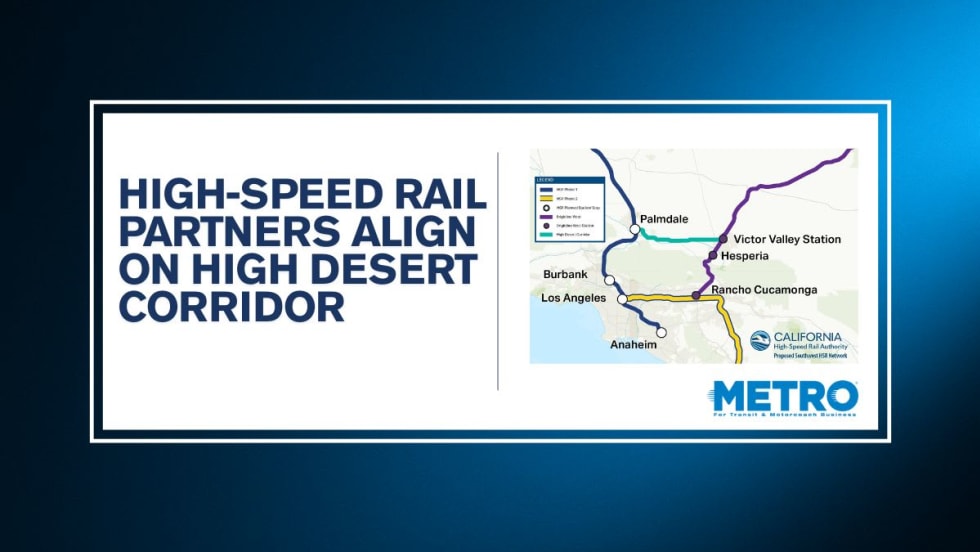
California High-Speed Rail Authority Signs MOU to Advance High Desert Corridor
The agreement deepens collaboration between the California High-Speed Rail Authority and the High Desert Corridor Joint Powers Agency, supporting design integration, cost savings, and faster delivery of a key Southern California rail link.
Read More →
Building the Next Generation of Transit Technology
In this edition of METROspectives, Luminator CEO Magnus Friberg discusses the company's transformation, the growing role of AI and software, and what's next for transit technology.
Read More →