




RELATED: Sen. calls for mass transit employees to be checked against terror list
Report focuses on impact of public transit in vehicle-based terrorist attacks
Since January 1970, there have been 37 vehicle attacks on public surface transportation. Just under half, a total of 18, involved suicide drivers ramming vehicles packed with explosives into their targets, according to a new report.
September 26, 2017

3 min to read

Since January 2015, there have been 10 such vehicular assaults like those that took place in Barcelona and Cambrils, Spain. Prior to the attacks in Spain, similar assaults occurred in France, Germany, Sweden, Austria, Belgium, Israel, the Palestinian territories, the UK, and the U.S.
In the Mineta Transportation Institute’s latest Transportation Security Perspective, Brian Michael Jenkins and Bruce R. Butterworth explore the risk posed to public surface transportation by vehicle attacks.
This type of vehicular assault can occur at public surface transportation locations, such as bus stops or train stations. However, the data suggests that, so far, vehicle rammings are not as lethal as might be thought, and have not been used as often as one might expect against public transportation targets.
Since January 1970, there have been 37 vehicle attacks on public surface transportation. Just under half, a total of 18, involved suicide drivers ramming vehicles packed with explosives into their targets — a more complex operation to pull off. In the other cases, the vehicle itself was the weapon.
Although recently on an upward trend, the 37 vehicle attacks on surface transportation targets represent less than 1% of the total number of 5,275 attacks on surface transportation targets during 1970. The 18 suicide vehicle rammings (SVR) and 19 vehicle rammings (VR) resulted in a total of 247 fatalities, which represents about 2% of all fatalities caused by attacks on surface transportation during the same period. All but 24 of the fatalities resulted from the attacks with explosives. In addition to the deaths, the 37 attacks caused 594 injuries.
Overall, the number of attacks of both types is increasing and follow a similar trend. For VR, 14 of the 19 attacks occurred between 2014 and 2017. For SVR, 10 of the 18 attacks occurred between 2013 and 2015 (with none in 2016 and, so far, none in 2017).
However, in terms of lethality, the two attack methods differ. SVR account for 90% of the 247 fatalities, with an average fatalities per attack (FPA) of 12.4. This makes SVR the second most lethal terrorist attack method against public surface transportation. Only multiple weapon attacks involving train derailments are more lethal. VR, by contrast, are the 21st most lethal tactic, with an average FPA of 1.3, considerably lower than the average for all attacks on surface transportation.
Vehicle rammings, with or without explosives, directed against public surface transportation targets are, of course, a concern that attracts a great deal of public attention. But so far, they have occurred rarely and mainly in countries already experiencing ongoing insurgencies or terrorist campaigns. And although the number of vehicle attacks has increased, with 19 of the 37 attacks occurring since 2014, and the lethality of the two attack methods combined has also increased, the increase is not particularly dramatic.
The most recent vehicle ramming attacks, however, have been directed primarily against pedestrians, not necessarily transportation targets. Governmental and transportation authorities will need to continue to assess these attack methods and consider what countermeasures (such as, but not limited to, safety bollards) can be reasonable and effective.
To view the report, click here.
More Security and Safety

Transit Agencies Highlight Safety Gains at National Summit
Leaders from 15 major transit systems shared crime-reduction results and safety initiatives while discussing the role of continued federal support.
Read More →
DART Launches Major Security, Fare Enforcement Initiative
The 90-day demonstration will deploy coordinated security teams at five light rail stations while testing controlled access and gathering data to guide future investments.
Read More →
RTD Launches NextRide App to Consolidate Trip Planning, Fares, Security Reporting
The app expands on RTD’s existing NextRide web application and allows customers to view real-time vehicle locations and service alerts, purchase and store digital fares, and access customer support.
Read More →

TAPTCO Updates OSHA Compliance Training for Transit Maintenance Operations
The revamped program addresses 26 OSHA standards for maintenance facilities, with TAPTCO pointing to training, documentation, and everyday shop hazards as continuing challenges for transit operations.
Read More →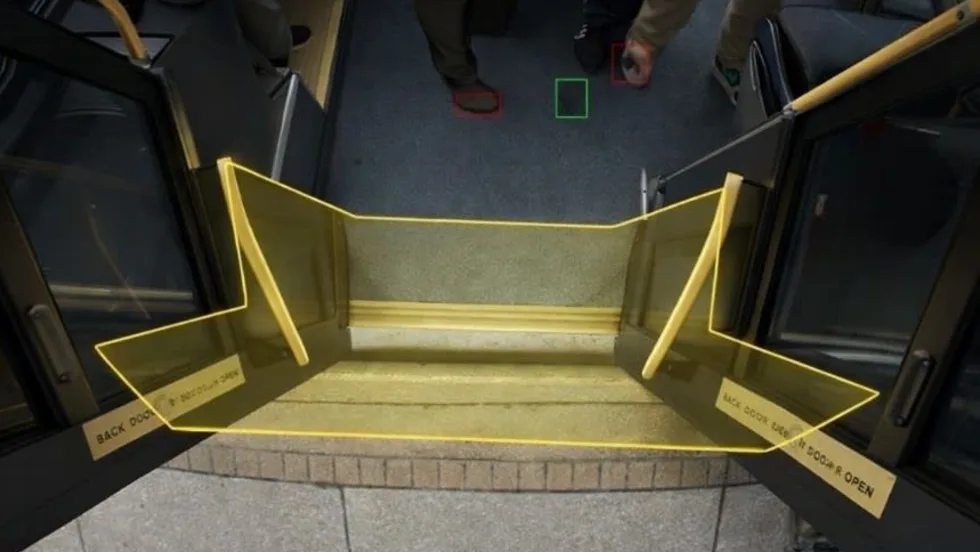
Sponsored•August 18, 2026
How VaporVision Adds Value to Transit Door Systems
Wabtec engineers explain how the system improves doorway detection, strengthens diagnostics and gives transit agencies and OEMs greater operating flexibility.
Read More →
FRA Announces $5.3B in Rail Investments, Including $2B for Amtrak
Funding will support grade-crossing improvements, infrastructure upgrades, and new Amtrak equipment in 23 states.
Read More →
Chicago, Maryland Expand Non-Law-Enforcement Safety, Rider Support
The CTA and MTA are launching new programs aimed at de-escalation, crisis response, rider assistance, and greater transparency.
Read More →
LA Metro, City of West Hollywood, and Partners Advance Smarter Bus Lane Enforcement
The award-winning partnership combines AI-powered detection with human oversight to improve bus reliability, accessibility, and enforcement efficiency.
Read More →
LA Metro Reports 57% Decline in Homelessness on Transit System Since 2024
The agency's latest homelessness count offers new data on how care-based services and cross-sector partnerships can complement traditional transit security strategies.
Read More →
FTA Launches 'Transit Moves America' Dashboard to Highlight Agency Safety and Performance
The online dashboard transforms National Transit Database information into a public-facing resource that allows users to compare transit agencies on key operational and safety metrics.
Read More →