




RELATED: New financing tools make electric bus buying easier
Reports outline barriers, enabling factors to electric bus adoption
Investment in electric buses and other low-carbon tech needs to double over the next two decades to keep global warming below safe thresholds, according to research.
June 6, 2019
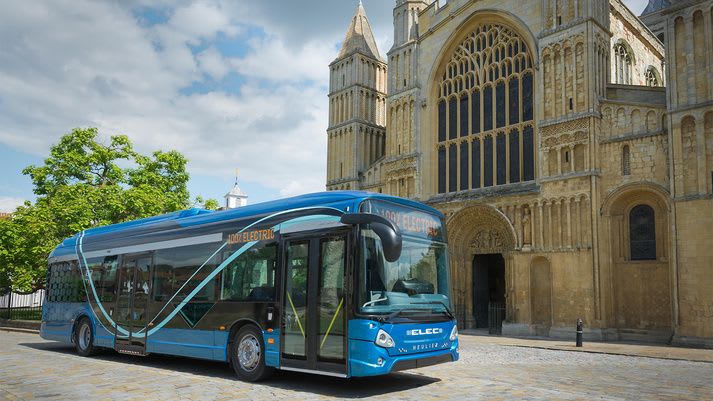
The benefits of electric buses come from reduced emissions and reduced cost of ownership over the long term.
BAE
3 min to read
The benefits of electric buses come from reduced emissions and reduced cost of ownership over the long term.
BAE
The adoption of electric buses, mainly by municipal governments, has accelerated in recent years, increasing more than 80-fold between 2011 and 2017. But cities still have a long way to go. Investment in electric buses and other low-carbon technologies needs to double over the next two decades to keep global warming below safe thresholds, as identified by the IPCC.
Reaching this goal will require overcoming specific barriers and encouraging key enabling factors, according to new research from WRI, which examined real-world experiences from 16 cities that have attempted to adopt electric buses to greater and lesser degrees of success.
Two sister reports from WRI, Barriers to Adopting Electric Buses and How to Enable Electric Bus Adoption in Cities Worldwide, break down lessons learned in this rapidly evolving field and provide step-by-step guidance on how to achieve electric bus adoption targets using concrete examples.
Chinese cities account for 99% of electric buses on the road today. China’s pioneering position in the field has yielded valuable insights. In just five years, Shenzhen went from needing two electric buses to secure the service quality of one diesel bus to matching service quality one to one. Today, the city operates the largest 100% electric bus fleet in the world, with more than 16,000 vehicles.
Electric buses typically cost two or three times more than conventional diesel buses. The benefits come from reduced emissions and reduced cost of ownership over the long term.
In the case of Izmir, Turkey, the operating costs for 20 electric buses led to an 84% reduction in fuel costs and a 60% reduction in total maintenance costs relative to conventional buses.
Izmir’s usage of a solar power plant to provide electricity to charge the buses has resulted in an annual avoidance of around 420 tons of CO2 emissions.
The reports define a total of nine steps to be taken by stakeholders interested in moving toward full electric bus adoption. The first five steps cover initial preparation and planning, and the next four steps address how to scale up to reach mass adoption.
Financing is the main barrier to success.
Formalizing and implementing customized procurement plans that are more suited to the special characteristics of electric buses, as well as new financial instruments to diversify and reallocate costs and risks, have offered promising results in places like Santiago, Chile, which leads Latin America in electric bus adoption.
Lesser known issues encountered by early adopters include access to land and adequate electrical supply.
Planners in Cape Town, South Africa, for example, found charging infrastructure and new parking schematics required bus depots be up to 40% larger to accommodate charging infrastructure and bigger vehicles.
Transit officials in Philadelphia found that existing electric charging capacity covered only about 7% of their bus fleet.
Very few cities and national governments have planned for the massive electricity grid upgrades that will be needed. In Zhengzhou, China, electric vehicles, including electric buses, are projected to comprise 36% of the city’s total electricity load by 2020.
The reports emphasize that the top issue for officials to consider first is the scale of their electric bus projects.
Cities at the early adoption stages should plan for what’s feasible and take concrete initial actions, like structured yet flexible pilot programs.
Cities aiming to scale up should formalize and implement long-term plans regarding infrastructure and procurement, including cost-benefit analyses and actionable, time-bound targets.
More Bus
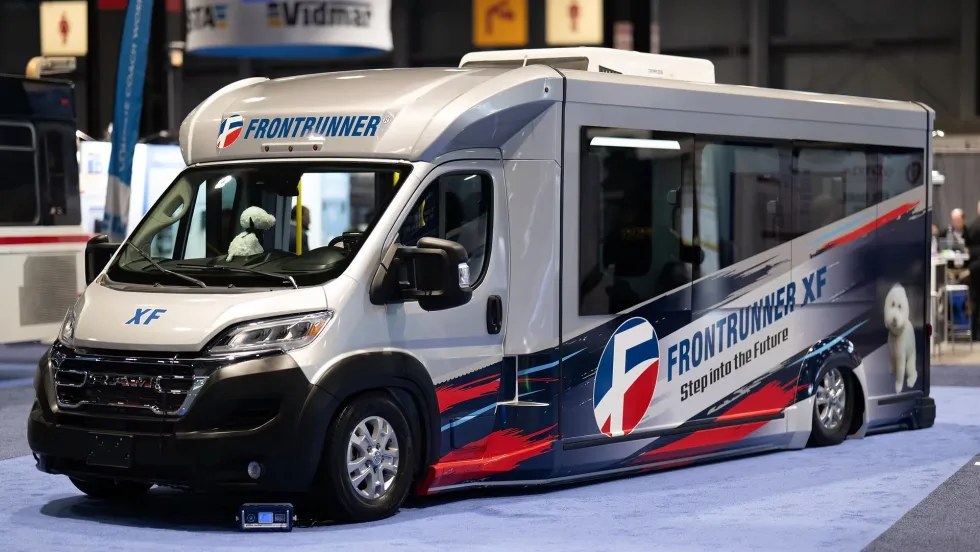
Frontrunner Bus Group Introduces XF Low-Floor Bus with Enhanced Accessibility
The new mid-sized bus features a full flat-floor design, eight-inch curbside step-in height, and zero-entry rear ramp to improve passenger access and operational flexibility.
Read More →
Scenes from APTA TRANSform & EXPO 2026
Transit leaders, manufacturers, and industry professionals gathered in Chicago to explore new technologies, share ideas, and discuss the future of public transportation.
Read More →
More Than a Summer Job: Building the Next Generation of Transit Talent
The Delaware River Port Authority and PATCO have transformed their internship program into a hands-on professional development experience that introduces students to the breadth of transportation careers — and creates a pipeline for future employees.
Read More →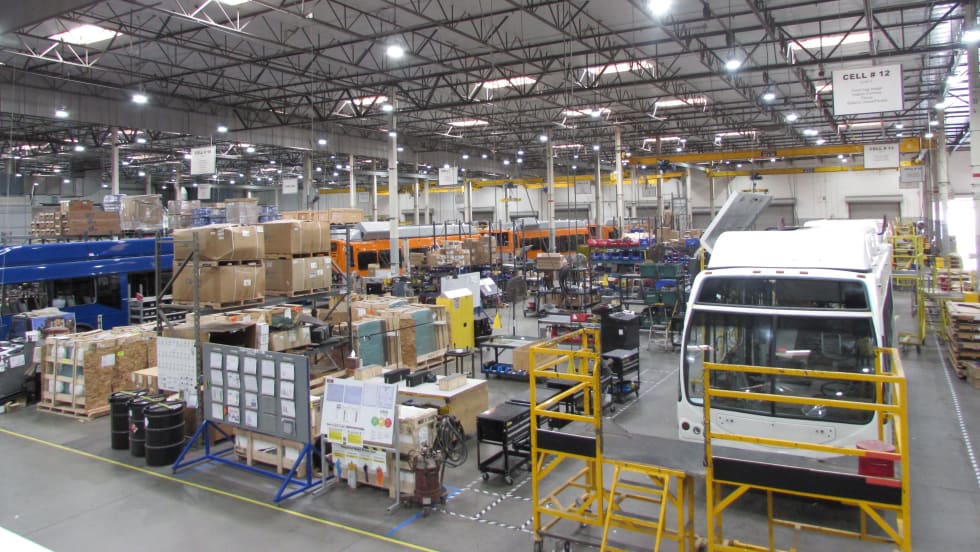
LA Metro Board Awards 220 Battery-Electric Bus Contract to ENC
The contract, which is the largest base award of battery-electric buses by a U.S. transit agency, will be built in Southern California, sustaining good jobs as LA prepares to welcome the world in 2028
Read More →
Public Transit Conference Returning to GFX in 2027, Call for Papers Now Open
The Call for Papers is now open, allowing transit agency professionals and industry experts to help shape the PTC educational program by submitting session ideas for consideration.
Read More →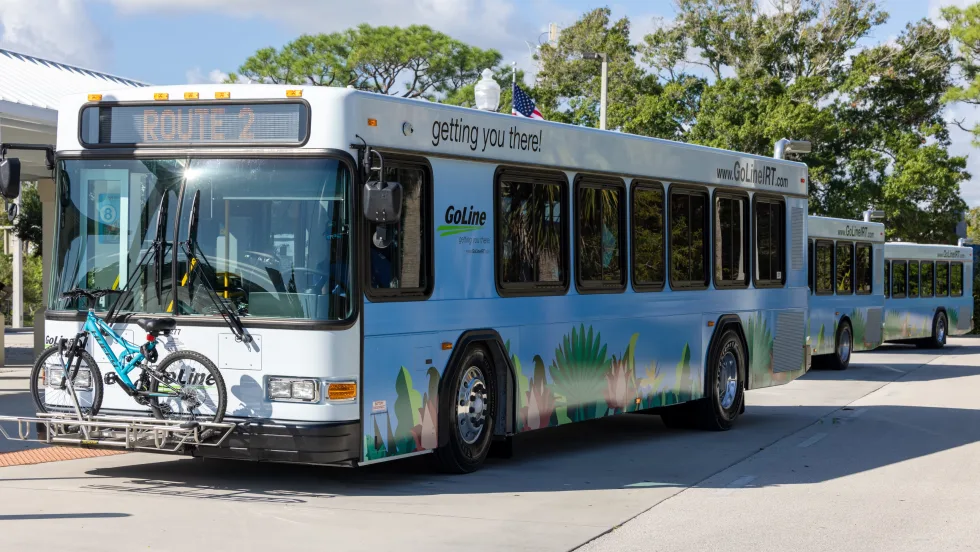
Indian River Transit’s Community-Focused Approach Earns National Recognition
Named APTA’s 2026 Outstanding Public Transportation System in its size category, Florida’s Indian River County transit system continues to grow ridership through fare-free service and a focus on evolving community needs.
Read More →
ENC Lands MATA Contract and More in Biz Briefs
In this edition of Biz Briefs, we spotlight the latest developments shaping the future of mobility.
Read More →
From Surviving to Thriving: Building Stronger Transportation Organizations
Bus Business Consultants founder Brian Dickson shares lessons on leadership, organizational health, and creating options for long-term success in a changing transportation industry.
Read More →
Everett Transit, Community Transit Outline Consolidation Agreement
The proposed agreement calls for a 50% increase in bus service in Everett, a new microtransit zone, continued paratransit service, and the transfer of Everett Transit operations to Community Transit.
Read More →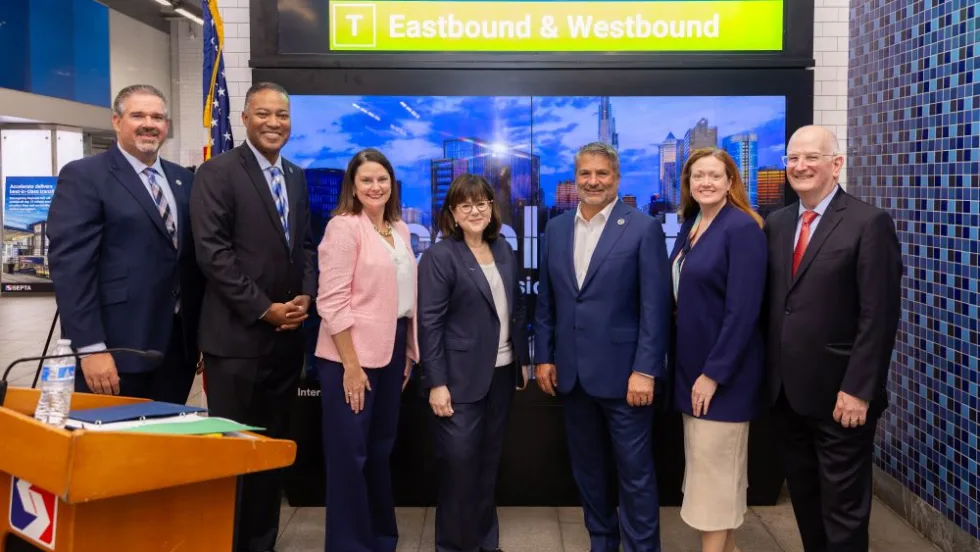
SEPTA Details Accelerate Vision for Transit System
The plan outlines investments in trolley modernization, new Metro and Regional Rail vehicles, accessible stations, and more frequent bus and rail service.
Read More →