



S. Carolina university plans petroleum-free fleet
By 2015, all vehicles on the Columbia campus will be powered by ethanol, biodiesel, liquefied petroleum gas (LPG), electricity or hydrogen fuel cells. A hydrogen hybrid bus will become part of the university’s shuttle service in January.

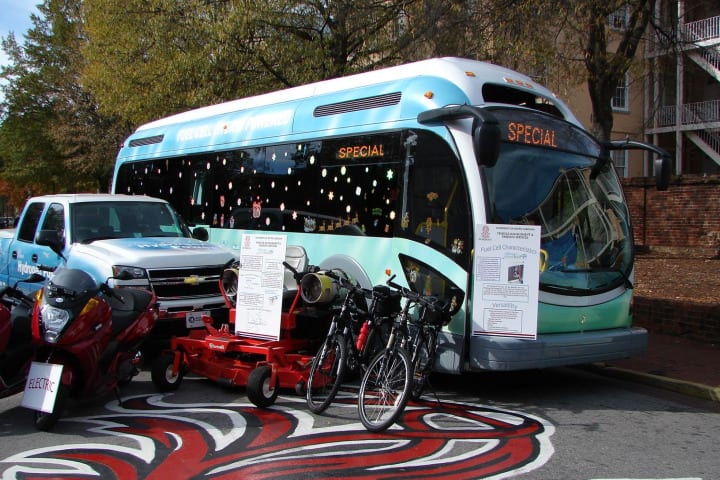
[IMAGE]SouthCarolina-fleet-full.jpg[/IMAGE]The University of South Carolina unveiled its “Genesis 2015 Initiative” on Dec. 1, that will create a college campus with 90 percent fewer carbon-dioxide emissions from its fleet of vehicles within five years.
The plan puts Carolina among the nation’s first campuses committed to reducing its dependence on petroleum by introducing alternative fuels to power the buses, cars, trucks, motorcycles and maintenance vehicles needed in the everyday life of the university.
The comprehensive plan is ambitious, but doable, said University President Harris Pastides.
“Today, we are making a commitment that will drive Carolina into a new era of environmental responsibility,” Pastides said. “This is another important initiative supported by our faculty, staff and students to create a campus that will be climate neutral.”
The university has about 400 vehicles that are used for business, maintenance and transportation of students, said Derrick Huggins, associate vice president for transportation.
Within five years, all vehicles on the Columbia campus will be powered by ethanol, biodiesel, liquefied petroleum gas (LPG), electricity or hydrogen fuel cells. A hydrogen hybrid bus will become part of the university’s shuttle service in January.
“We have 156 vehicles that we can convert to alternative fuel right away,” Huggins said. “This plan underscores the fact that the University of South Carolina is a leader among colleges and universities in sustainability efforts, including transportation, which is a key source of carbon emissions.”
The university earned top green ratings from the Princeton Review and the College Sustainability Report Card this fall, placing Carolina among the greenest universities and colleges in the Southeast.
Michael Koman, the university’s director of sustainability, said Genesis 2015 will reduce Carolina’s carbon-dioxide emissions by more than 2,000 tons.
“This is a major initiative to have cleaner air and to develop a clean fuel-supply system,” he said.
Moreover, switching to alternative fuels may boost the agricultural economy across the Palmetto State.
“Farmers could plant crops to meet fuel and food demands,” Koman said, adding that soybeans, corn and switch grasses have the potential to generate extra income for farmers.
Pastides said that student input has been critical in the university’s commitment to making Carolina healthier and greener.
“Sustainability is part of the fabric of life here at the university, and Genesis 2015 will move our transportation efforts forward,” he said.
More Bus

New York MTA Plans Largest Bus Fleet Upgrade in More Than a Decade
The agency is seeking manufacturers for 650 new CNG buses to replace aging vehicles, improve reliability, and advance its broader fleet modernization strategy.
Read More →
Building a Flexible Path to Transit Electrification
John Hroncich discusses BAE Systems’ modular and scalable approach, lessons learned from decades of real-world operations, and how agencies can identify electrification strategies that fit their fleets.
Read More →
Bus Tech Talk: Keeping Transit Technicians Ahead of the Technology Curve
LA Metro’s Obed Mejia discusses technician training, evolving maintenance technology, fleet replacement, and strategies for getting the most out of today’s transit fleets.
Read More →
Biz Briefs: RIPTA Unveils New Frontrunners, Clevland RTA Adds New Siemens, and More
In METRO's latest installment, we take a look at recent news from Siemens, Prevost, Dodge, and more partnerships making headlines across the transportation sector.
Read More →
People Movement: Holly Arnold Joins Transdev and More
In this edition, we also cover recent appointments and announcements at Pace, CamTran, MCI, and more, showcasing the individuals helping to shape the future of transportation.
Read More →
The High Cost of Transit Buses: Industry Leaders Look to Procurement Reform
Transit leaders and policymakers examine how standardized bus designs, streamlined procurement, and predictable funding could help agencies stretch budgets and deliver better service.
Read More →
The Business Voice Behind Public Transportation
As chair of APTA’s Business Members Board of Governors, Ray Melleady explains how more than 850 business members are partnering with transit agencies to advance funding, innovation, and industry-wide collaboration.
Read More →
From Surviving to Thriving: Building Stronger Transportation Organizations
Bus Business Consultants founder Brian Dickson shares lessons on leadership, organizational health, and creating options for long-term success in a changing transportation industry.
Read More →
Finding the ‘Happy Medium’: Optimizing Maintenance Without Sacrificing Reliability
The key to maintenance optimization isn’t doing less work—it’s doing the right work at the right time on the right assets.
Read More →
LA Metro, City of West Hollywood, and Partners Advance Smarter Bus Lane Enforcement
The award-winning partnership combines AI-powered detection with human oversight to improve bus reliability, accessibility, and enforcement efficiency.
Read More →