



S.F. MTA board approves $1.2B two-year operating budget
Outlines plans to expand Muni service by adding 68 new train cars and launching Central Subway service.


Projects funded through this two-year budget include infrastructure investments as well as various procurements and other one-time initiatives (plans, educational programs, etc.) to be implemented throughout the city.
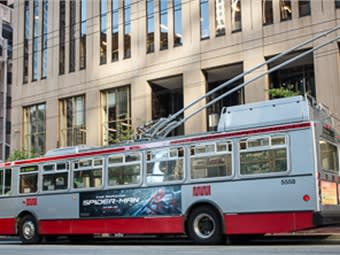
The operating budget also provides continued funding for free transit service for low-income youth, seniors, and disabled riders.
Photos courtesy SFMTA
The Board of Directors of the San Francisco Municipal Transportation Agency (SFMTA) approved the agency’s annual $1.2 billion two-year operating budget for fiscal years 2019 and 2020, which makes significant investments to enhance San Francisco mobility by adding more railcars, opening a new bus maintenance facility, and launching Central Subway service in 2019.
The capital budget continues to advance Vision Zero, the city’s effort to eliminate traffic fatalities, and Muni Forward, which was designed to address transit delays, improve reliability, and increase the safety and comfort of customers along Muni’s most popular routes
The operating budget outlines plans to expand Muni service by adding 68 new train cars, applying recommendations from the Muni Service Equity Strategy, and launching Central Subway service. Changes include:
Increased service because of new train cars.
Additional service based on Equity Strategy recommendations.
Larger vehicles based on Equity Strategy recommendations.
Increased service from Central Subway launch.
“This budget is a strong one, sustaining much of the work we are doing across the agency and recommending targeted enhancements, particularly in Muni service, as we welcome new railcars into service, a new bus maintenance facility into operation, and the startup of the Central Subway,” said Ed Reiskin, SFMTA Director of Transportation.
The operating budget also provides continued funding for free transit service for low-income youth, seniors, and disabled riders. It will also supports the opening of the Islais Creek bus maintenance yard, adds additional Muni/BART station homeless services, and provides relief to the taxi industry through targeted fee reductions, including a 50% reduction to the medallion renewal fee for Prop K medallion holders and a 50% reduction to the taxi stand application fee.
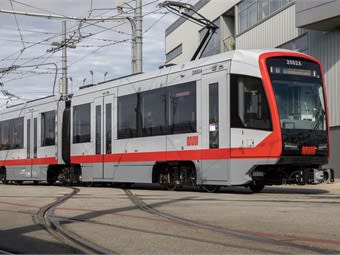
Projects funded through this two-year budget include infrastructure investments as well as various procurements and other one-time initiatives (plans, educational programs, etc.) to be implemented throughout the city.
To further promote Muni ridership and incentivize pre-payment of fares, the Board voted to increase the single-ride cash fare differential (the difference between the cash price and the price paid using MuniMobile or a Clipper Card) to 50 cents. The agency will also adopt a new low-income single-ride fare to meet the needs of low-income riders and complement the Monthly Pass program; will implement a new Adult Day Pass to increase flexibility for regular customers and incentivize pre-payment; and authorize a 10% discount for bulk purchases.
Key components of two-year capital budget
The Capital Budget is the SFMTA’s two-year financial plan and consolidated capital program. It represents the first two years of the SFMTA’s Five-Year Capital Improvement Program (CIP).
Projects funded through this two-year budget include infrastructure investments as well as various procurements and other one-time initiatives (plans, educational programs, etc.) to be implemented throughout the city.
The FY 2019-20 Capital Budget consists of $513.5 million in FY19 and $630.8 million in FY20. Funding commitments over the two years include:
Street Safety Projects: $94.8 million.
Traffic and parking improvements: $34.5 million.
Transit Fleet Upgrades: $117.1 million.
Transit infrastructure: $118.9 million.
Transit expansion/optimization: $426 million.
More Management
COTA Launches First Customer Experience Action Plan to Improve Transit Service
The new plan outlines improvements to service reliability, accessibility, communication, and the overall rider experience across Central Ohio's transit system.
Read More →
LA Metro September Ridership Climbs 3.9%, Led by Rail Growth
The agency recorded more than 27.2 million boardings, with rail ridership increasing 12.4% year over year and the D Line posting the largest gains.
Read More →
Utilimarc Launches SmartReplace to Optimize Fleet Replacement Decisions
AI-powered SmartReplace helps fleets prioritize vehicle replacements, model budget scenarios, and build more defensible long-term strategies.
Read More →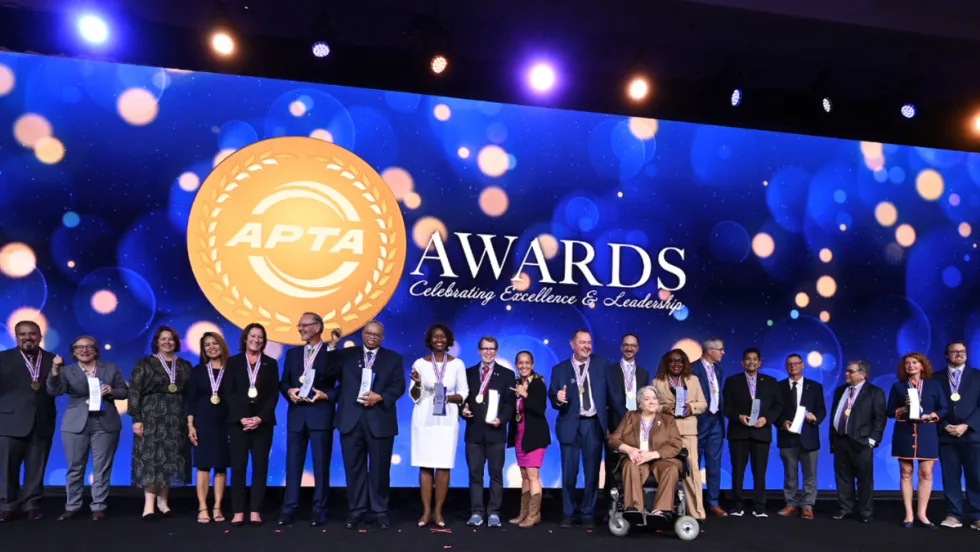
APTA Honors 2026 Award Winners, Hall of Fame Inductees at TRANSform & EXPO
Innovations in autonomous and zero-emission transportation, standout transit systems, and industry leadership took center stage among this year's honorees.
Read More →
7 Ways to Build a Better Transit Internship Program
Lessons from DRPA/PATCO’s approach to creating a meaningful internship experience—and developing the next generation of transportation professionals.
Read More →
Scenes from APTA TRANSform & EXPO 2026
Transit leaders, manufacturers, and industry professionals gathered in Chicago to explore new technologies, share ideas, and discuss the future of public transportation.
Read More →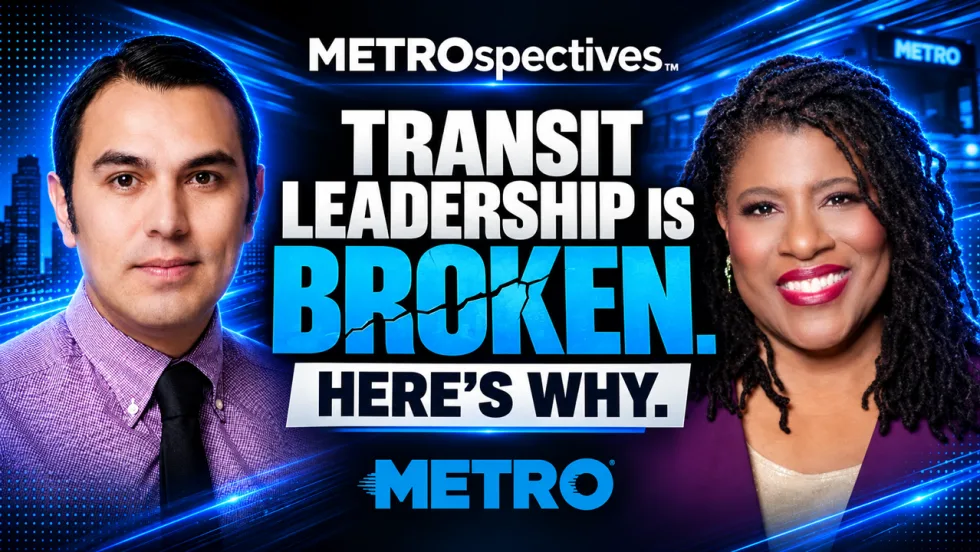
Building Stronger Leaders, More Resilient Transit Teams
Dr. Carol Parker Walsh discusses leadership development, employee retention, workplace culture, and preparing transit’s workforce for AI and automation.
Read More →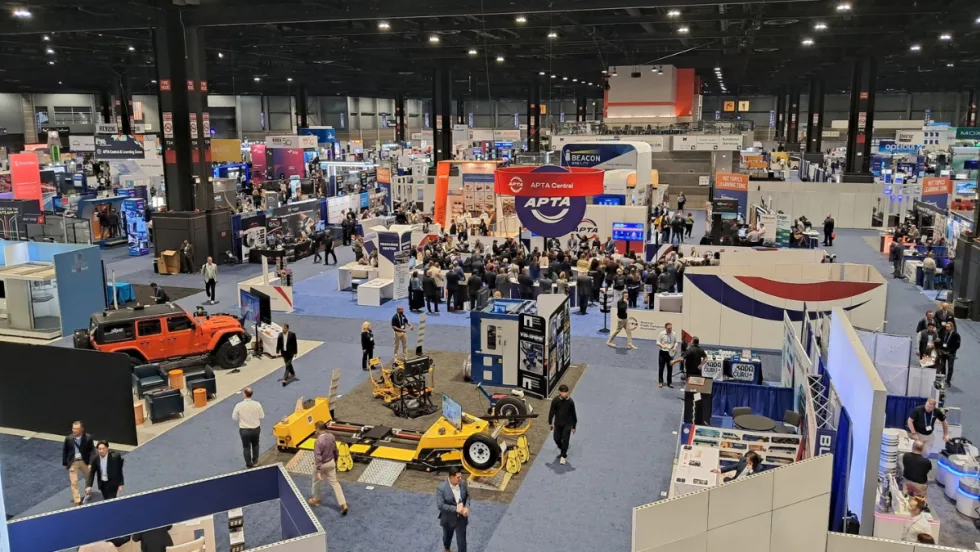
APTA 2026 TRANSform & EXPO Kicks Off in Chicago
After 45 years, APTA returns to Chicago with a focus on next-generation fleets, AI, connected transit networks, and the funding strategies shaping public transportation’s future.
Read More →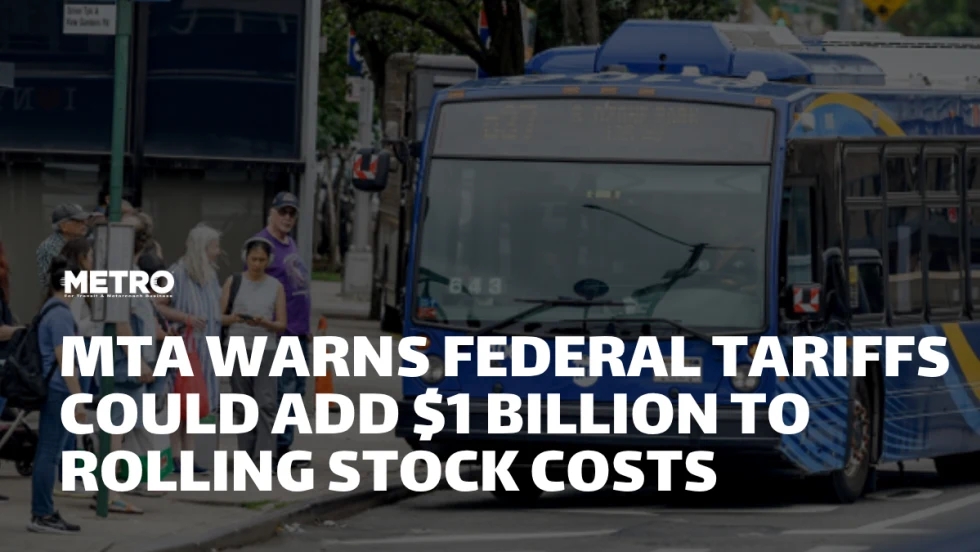
New York MTA Warns Federal Tariffs Could Add $1 Billion to Rolling Stock Costs
The agency said tariffs on specialized imported components could reduce the purchasing power of its $23 billion investment in new subway cars, railcars, and buses.
Read More →
From the Show Floor: What Happened at APTA TRANSform & EXPO 2026
See the latest product launches, partnerships, technology updates, and transit industry announcements from APTA TRANSform & EXPO in Chicago.
Read More →