



Sacramento RT looking to develop 'world class' transit system
The 'SacRT Forward' study will have variety of community involvement components, including two stakeholder meetings, SacRT Board workshops, and nearly a dozen community events where planners will solicit input from current riders and potential riders alike.

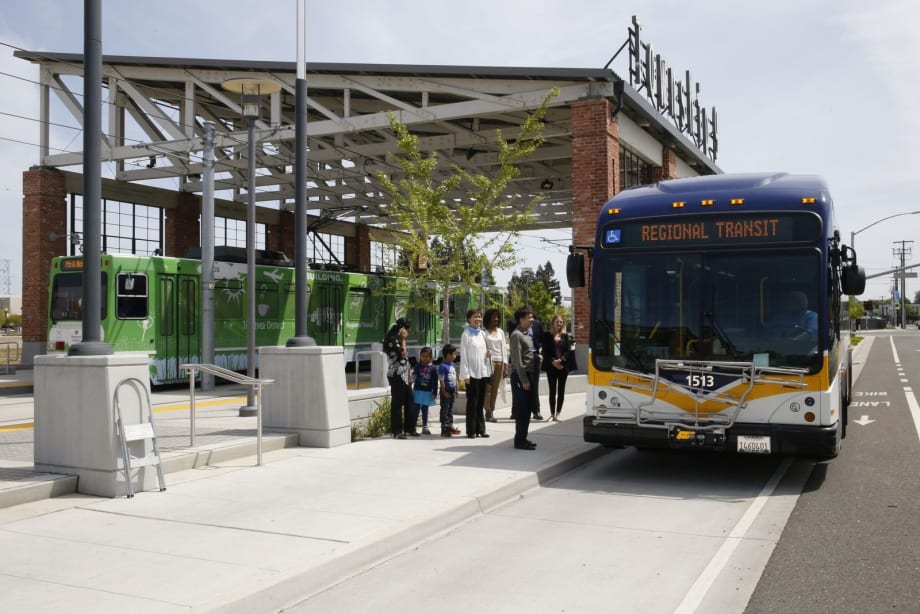
Participants will be asked to provide feedback on ways SacRT might be able to redesign its bus routes given available resources.
SacRT
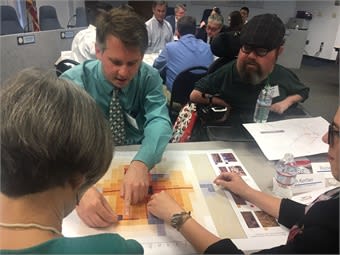
SacRT Forward will have variety of community involvement components, including two stakeholder meetings, SacRT Board workshops, and nearly a dozen community events where planners will solicit input from current riders and potential riders alike.
SacRT
The effort to develop a new generation network for Calif.’s Sacramento Regional Transit District (SacRT) has officially been launched. The first stakeholder public input meeting was held earlier this month, and nearly a dozen community workshops are planned for April and May. It’s all part of a new route optimization study, now coined “SacRT Forward,” which seeks to create a world-class transit system that is reflective of today’s travel patterns.
“Our transit system has not seen a route redesign in 30 years and travel patterns in the region have changed substantially since then,” said SacRT GM Henry Li. “SacRT Forward will take a blank slate approach in creating a new network that will focus on connectivity with light rail, as well as service frequency, and bus routing that takes customers to destinations where they want to travel to.”
SacRT Forward will have variety of community involvement components, including two stakeholder meetings, SacRT Board workshops, and nearly a dozen community events where planners will solicit input from current riders and potential riders alike.
“We want everyone’s feedback in this process so that we can come up with the best transit network possible,” said SacRT Board Chair and Sacramento County Board of Supervisors Vice Chair Patrick Kennedy. “Our vision is to create a state-of-the-art transit system that features new low-floor light rail trains along with excellent bus connectivity and reliability. We have made great strides in the last two years improving SacRT’s service, and now we look forward to the next round of changes as we strive to develop an exceptional transit network in the growing Sacramento region.”
The are 11 opportunities for Sacramento residents to learn more about the 15-month long project. SacRT’s planning and outreach teams will be out in force during the months of April and May seeking public input during a series of pop-up workshops.
Participants will be asked to provide feedback on ways SacRT might be able to redesign its bus routes given available resources.
SacRT
Participants will be asked to provide feedback on ways SacRT might be able to redesign its bus routes given available resources. This means individuals will be asked to prioritize their preferences, and in many cases determine which trade-offs they prefer in order to remain revenue neutral. Another series of workshops will be held in the fall to evaluate two proposed networks, which will be developed by the SacRT Forward planning team based upon community and stakeholder input.
SacRT is working with Jarrett Walker & Associates to help develop two network proposals for community review. The first network redesign will offer a revenue neutral proposal, while the second proposal will feature a route design that presupposes increased funding levels. Both proposals will be available for community review in winter 2018.
More New Mobility

From Hardware to Digital Partner: Luminator Charts Its Next Chapter
CEO Magnus Friberg discusses Luminator’s shift toward becoming a digital partner, the growing importance of software and interoperability, and how AI can help agencies improve operations and passenger experience.
Read More →
Biz Briefs: Alstom Lands Canadian Contract, LYT to Supply California TSP, and More
In METRO's latest installment, we take a look at recent news from Complete Coach Works, Beep, FlixBus, and more partnerships making headlines across the transportation sector.
Read More →
CharterUP’s Armir Harris on Technology, AI, and the Future of Group Mobility
In a recent episode of METROspectives, CharterUP Founder/CEO Armir Harris discussed the company’s evolution from an online charter bus marketplace into a technology platform supporting public- and private-sector mobility and much more.
Read More →
Jacksonville’s NAVI Project Charts a New Course for Autonomous Public Transportation
Through its NAVI program, JTA is showing how autonomous vehicles, intelligent infrastructure, and coordinated operations can work together to deliver everyday public transportation.
Read More →
Biz Briefs: Luminator Marks Milestone and More
From manufacturers and suppliers to transit agencies and motorcoach operators, these updates offer a snapshot of the projects, partnerships and business moves driving the industry forward.
Read More →
New Tricks for Old Bureaucracies: Joshua Schank on Making Transit Innovation Stick
Former LA Metro Chief Innovation Officer Joshua Schank discusses why good ideas aren't enough, how transit agencies can overcome resistance to change, and why today's challenges demand more innovation.
Read More →
How DART's GoPass Is Redefining Regional Mobility
Serving 14 transit agencies, GoPass simplifies multimodal travel by allowing riders to plan, pay for, and manage an entire trip through one app.
Read More →
Biz Briefs: OCTA Taps Clean Energy for Hydrogen Station, Stadler to Supply Via Rail Vehicles, and More
From manufacturers and suppliers to transit agencies and motorcoach operators, these updates offer a snapshot of the projects, partnerships and business moves driving the industry forward.
Read More →CharterUP Expands Into New Mobility and Autonomous Transportation
Vice President of New Mobility Stephen Joos discusses how CharterUP is leveraging its nationwide transportation network, technology platform, and autonomous vehicle partnerships to expand into workforce mobility, campus shuttles, and transit solutions.
Read More →
METRO Magazine Announces 2026 Innovative Solutions Awards Winners
Projects Recognized for Advancing Mobility Through Technology, Accessibility, Workforce Innovation, and Operational Excellence
Read More →