



SacRT taps 'Voice of God' to enhance security
When passengers violate basic station rules like no smoking or drinking alcohol, agency security staff use the new remote P.A. system to communicate with the rulebreaker.

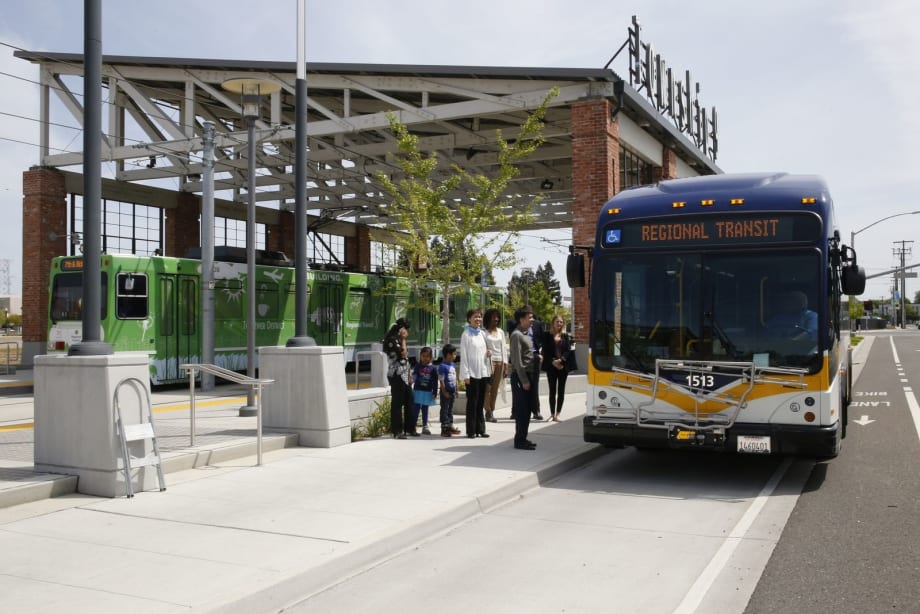
When passengers violate basic station rules like no smoking or drinking alcohol, agency security staff use the new remote P.A. system to communicate with the rulebreaker. Photo: Sacramento Regional Transit District
When passengers violate basic station rules like no smoking or drinking alcohol, agency security staff use the new remote P.A. system to communicate with the rulebreaker. Photo: Sacramento Regional Transit District
Some jokingly call it the “Voice of God,” but for passengers of the Sacramento Regional Transit District (SacRT), the new public address (P.A.) system acts as a security enhancement tool that has the added advantage of significantly improving customer service. When passengers violate basic station rules like no smoking or drinking alcohol, SacRT security staff uses its new P.A. system to communicate with the rulebreaker. The novelty is that SacRT security staff is miles away, remotely monitoring surveillance cameras from the Security Operations Center (SOC) in downtown Sacramento.
It’s an effective solution to an ongoing transit challenge, as it sends a loud and clear message that light rail stations are under constant surveillance and the rules are being enforced, according to the agency.
Once security personnel identify a problem, they will issue a simple and direct statement such as: “Excuse me, to the man wearing a red baseball cap, there is no smoking allowed at the light rail station. Please extinguish the cigarette immediately.” If passengers do not acquiesce, a sworn officer or transit agent will be dispatched to the station to issue a citation.
SacRT Police Services Chief, Lieutenant Lisa Hinz, is pleased at the effectiveness of the new P.A. system, which was originally put in place to help transit agents communicate with riders about the next arriving train. “Since the program rolled out in June, SacRT’s security team has issue hundreds of P.A. announcements to encourage loiterers to leave and others to straighten up their behavior. Incredibly, not one person has complained,” said Hinz. “In fact, SacRT passengers seem to be in favor of the security tool, and view it as an exceptional customer service improvement.”
The SOC has been so effective at using high-tech surveillance cameras and remotely communicating with customers, that it has gone to a 24-hour, seven-day- a-week operation, the agency said.
Perhaps the most amazing use of the P.A. system to date came in early September, when a four-year-old girl started playing on the tracks. The parent was picked-up by surveillance cameras, and it was clear to security that she did not realize her child was no longer next to her. Security staff began making announcements to the entire station alerting passengers to the unsupervised child. Within moments, the child was scooped up from the tracks and reunited with her mother, who was clearly surprised by the child’s actions.
The P.A. system has been installed in 46 of SacRT’s 52 light rail stations. Full installation is expected by spring 2018. SacRT is also installing surveillance cameras on its light rail cars to monitor passenger behavior while trains are in revenue service. A total of 72 out of 97 light rail cars have been outfitted with state-of-the-art surveillance camera equipment, and with a 24-hour monitoring operation in play, the security team can respond within minutes when there’s an incident. SacRT Police Services report an 85% apprehension rate for law breakers.
The transit agency is also using smartphone technology to provide customers with direct communication to the SOC. The “Alert SacRT” app allows passengers to discreetly send text messages, pictures and video directly to SacRT Police Services, if they are witnessing security concerns while onboard a bus or light rail train, or at a station or bus stop. The safety and security app is also used to push out service disruption alerts.
More Security and Safety

Transit Agencies Highlight Safety Gains at National Summit
Leaders from 15 major transit systems shared crime-reduction results and safety initiatives while discussing the role of continued federal support.
Read More →
DART Launches Major Security, Fare Enforcement Initiative
The 90-day demonstration will deploy coordinated security teams at five light rail stations while testing controlled access and gathering data to guide future investments.
Read More →
RTD Launches NextRide App to Consolidate Trip Planning, Fares, Security Reporting
The app expands on RTD’s existing NextRide web application and allows customers to view real-time vehicle locations and service alerts, purchase and store digital fares, and access customer support.
Read More →

TAPTCO Updates OSHA Compliance Training for Transit Maintenance Operations
The revamped program addresses 26 OSHA standards for maintenance facilities, with TAPTCO pointing to training, documentation, and everyday shop hazards as continuing challenges for transit operations.
Read More →
How VaporVision Adds Value to Transit Door Systems
Wabtec engineers explain how the system improves doorway detection, strengthens diagnostics and gives transit agencies and OEMs greater operating flexibility.
Read More →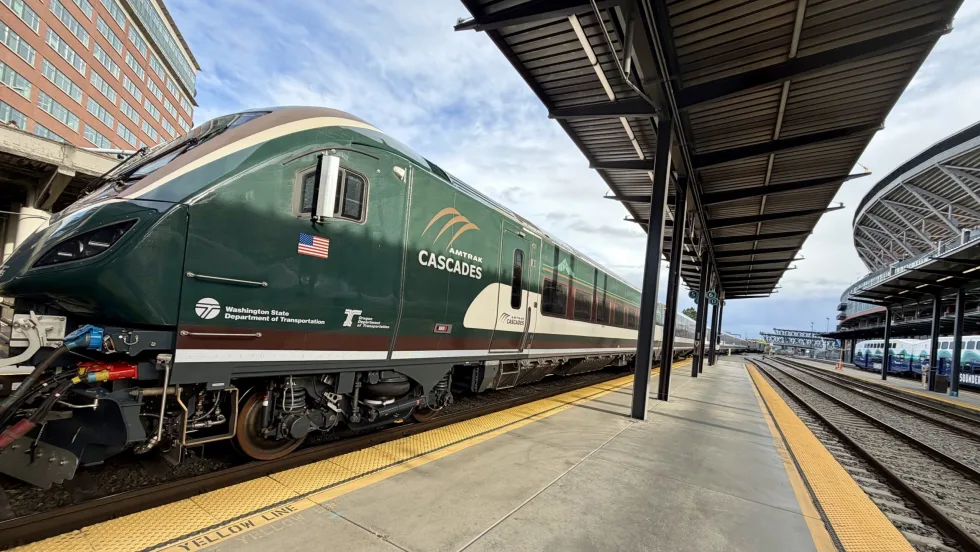
FRA Announces $5.3B in Rail Investments, Including $2B for Amtrak
Funding will support grade-crossing improvements, infrastructure upgrades, and new Amtrak equipment in 23 states.
Read More →
Chicago, Maryland Expand Non-Law-Enforcement Safety, Rider Support
The CTA and MTA are launching new programs aimed at de-escalation, crisis response, rider assistance, and greater transparency.
Read More →
LA Metro, City of West Hollywood, and Partners Advance Smarter Bus Lane Enforcement
The award-winning partnership combines AI-powered detection with human oversight to improve bus reliability, accessibility, and enforcement efficiency.
Read More →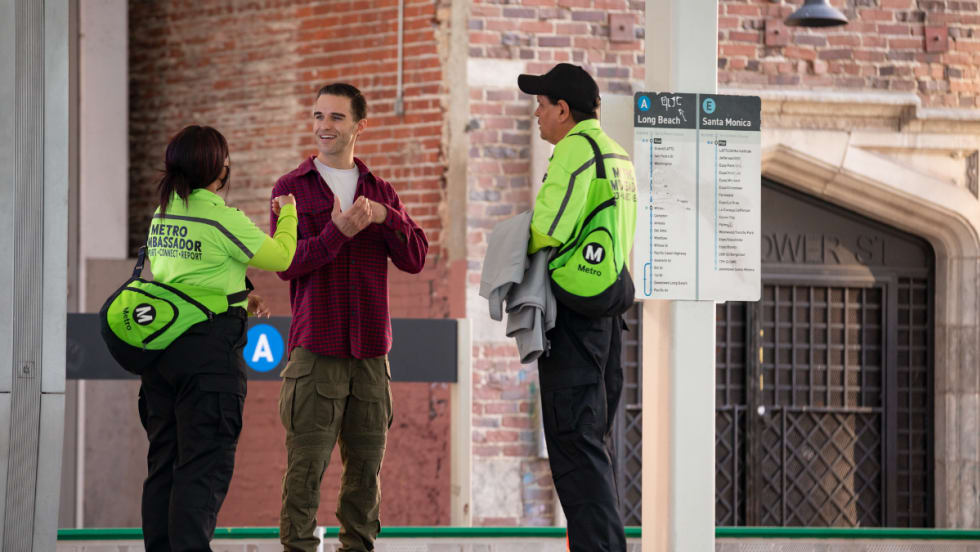
LA Metro Reports 57% Decline in Homelessness on Transit System Since 2024
The agency's latest homelessness count offers new data on how care-based services and cross-sector partnerships can complement traditional transit security strategies.
Read More →
FTA Launches 'Transit Moves America' Dashboard to Highlight Agency Safety and Performance
The online dashboard transforms National Transit Database information into a public-facing resource that allows users to compare transit agencies on key operational and safety metrics.
Read More →