



San Diego MTS receives 3rd perfect Triennial Review in a row
The FTA examined various aspects to MTS including documented policies and procedures, effective implementation of grant funds, sufficient resources to implement programs, understanding of FTA requirements and ability to conduct effective oversight.

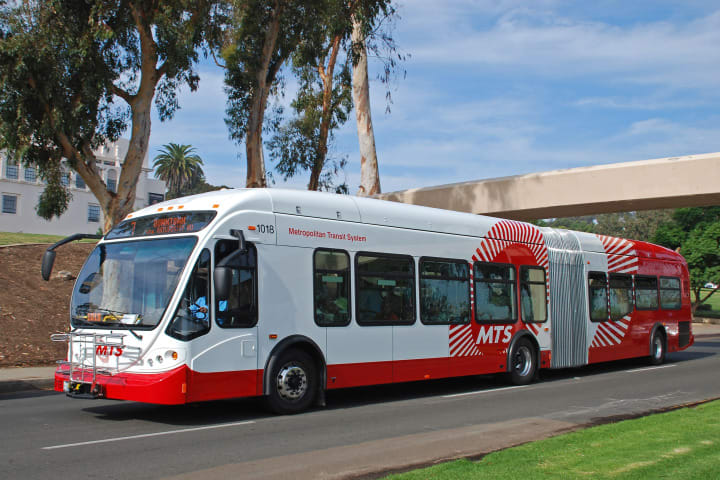
After a comprehensive review of the San Diego Metropolitan Transit System (MTS), the Federal Transit Administration (FTA) found no deficiencies in any of the 17 areas of MTS operations. This is the third consecutive time the FTA has given a perfect score to MTS during its Triennial Review of operations.
“To receive a perfect score three audits in a row is almost unprecedented. With 17 major categories and dozens of subcategories, it is rare that the FTA finds no deficiencies,” said MTS CEO Paul Jablonski. “This review is very important to our ability to secure competitive grants from the federal government. As it stands now, FTA hasn’t found any deficiencies at MTS in the last nine years of operations. This is a testament to great work being done top to bottom in the MTS organization.”
The purpose of the FTA’s Triennial Review is to ensure compliance with regulations and also provide a forward-looking assessment of each agency’s risk in the management and implementation of FTA grant programs. The FTA examined various aspects to MTS including documented policies and procedures, effective implementation of grant funds, sufficient resources to implement programs, understanding of FTA requirements and ability to conduct effective oversight.
Key categories for the review included financial management, maintenance, ADA compliance, Title VI, procurement, disadvantaged business enterprise, legal, public participation requirements, safety and security, and equal employment opportunities.
MTS has received $313 million in FTA funding over the past five years. This includes more than $45 million in funding to purchase 216 new buses, which helped MTS reach the goal of decreasing the bus fleet average age from 10 years to six years. FTA funding has also been used for improvement projects, such as Trolley Renewal, a $600 million project to rebuild the Orange and Blue Lines, rebuilding the bus operations and maintenance facilities in East County and South Bay, fare collection functions and upgrading transit stations.
More Management
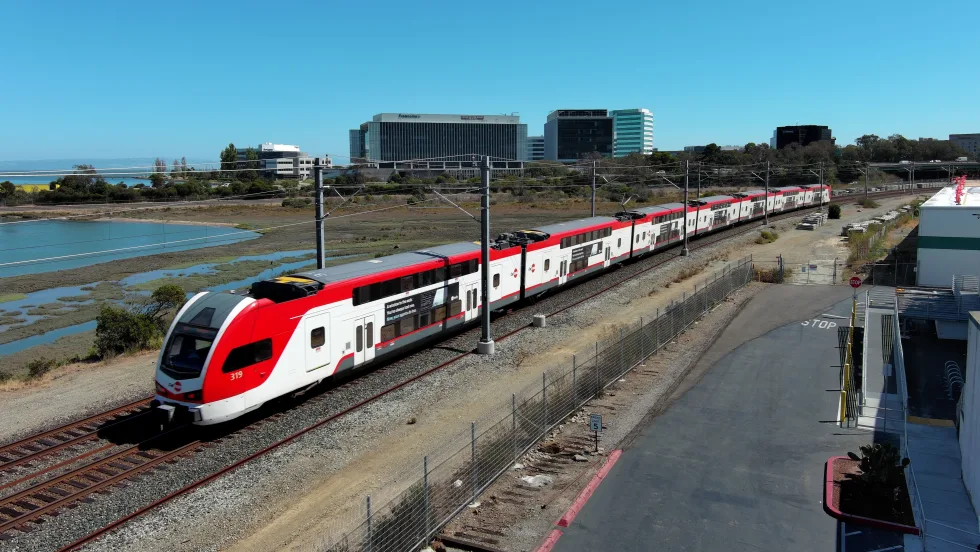
Caltrain’s Electrification Drives a New Era of Ridership Growth
The railroad’s shift to electric service has brought more frequent trains, stronger customer satisfaction, and increased ridership, earning it APTA’s Outstanding Public Transportation System award.
Read More →
Chicago, Charlotte Transit Agencies Expand Rider Support Programs
CTA launched crisis intervention teams as CATS prepares to deploy fare ambassadors, expanding customer assistance and security efforts across both systems.
Read More →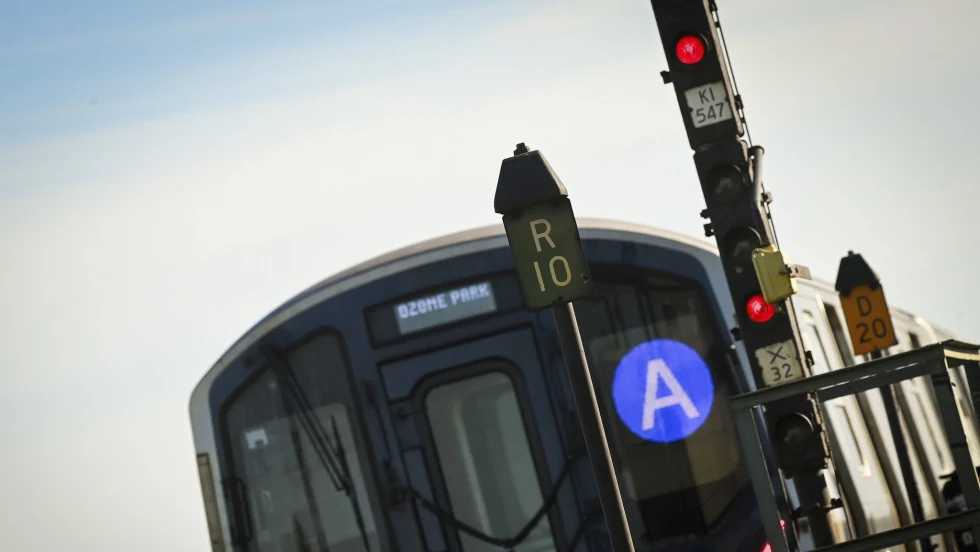
New York MTA Launches Historic $1.9B Signal, Track Modernization Project
Funded in part by congestion pricing revenue, the project will replace nearly century-old signals along the A and C lines in Brooklyn and Queens.
Read More →
Brian Dickson on Building Stronger, More Resilient Transportation Organizations
Bus Business Consultants Founder Brian Dickson discusses the leadership principles, operational discipline, and strategic planning that separate transportation companies positioned for long-term success from those stuck in survival mode.
Read More →
LA Metro Breaks Ground on Vermont BRT Project
The 12.4-mile corridor is projected to serve 66,200 daily riders, reduce travel times by up to 24%, and create the nation's busiest bus rapid transit corridor.
Read More →
Building Stronger Leaders, More Resilient Transit Teams
Dr. Carol Parker Walsh discusses leadership development, employee retention, workplace culture, and preparing transit’s workforce for AI and automation.
Read More →
Roman Cornell on ABC Companies’ Evolution and the Future of Passenger Transportation
The company’s CEO discusses carrying forward a third-generation family legacy, ABC’s continued evolution in passenger transportation, support for increasingly complex fleets, and how technology and continued investment could help operators improve uptime.
Read More →
CATS Launches West Charlotte Microtransit Zone, Expands Transit Services
The new microtransit zone connects residents to key destinations as Charlotte Area Transit System rolls out the first phase of its 2055 Transit System Plan.
Read More →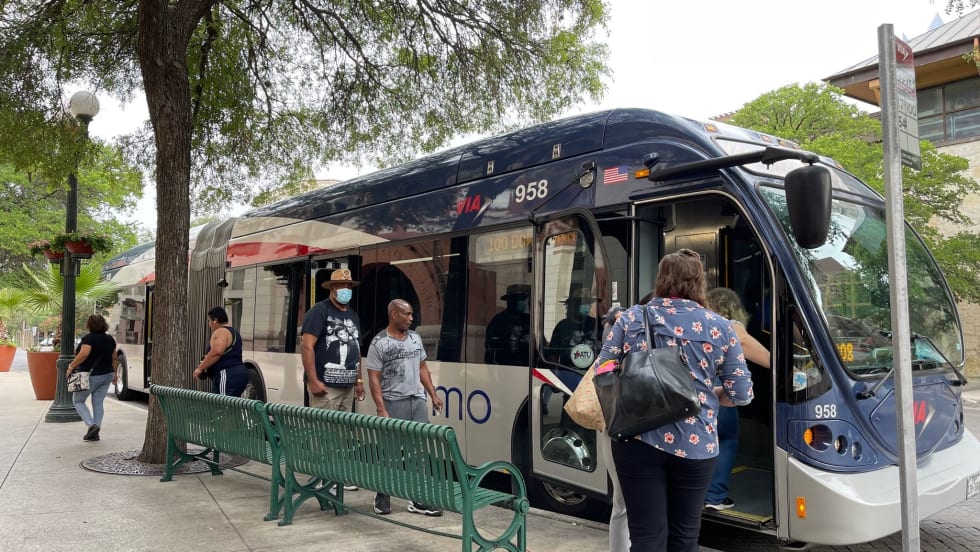
VIA Bus Ridership Grows 10.1% Through August 2026
San Antonio's VIA Metropolitan Transit reported the highest bus ridership growth among major Texas transit systems. Federal Transit Administration data ranked it second among the nation's 50 largest transit systems.
Read More →
CSA Group Releases Climate Resilience Standard for Transit, Passenger Rail
Developed with support from the Standards Council of Canada, CSA D700 guides assessing climate-related risks and planning adaptation measures for transit and passenger rail systems.
Read More →