




RELATED: San Francisco MTA to unveil first Siemens light railcar
San Francisco lands federal advanced transportation tech grant
San Francisco's projects funded by this grant build on the partnerships and ideas developed for U.S. DOT’s original Smart City Challenge.
January 9, 2017

Aaron Logan
2 min to read

Aaron Logan
San Francisco Mayor Edwin M. Lee joined Secretary of Transportation Anthony Foxx of the U.S. Department of Transportation (U.S. DOT) to announce $11 million in federal funding for six innovative projects in San Francisco aimed at reducing traffic congestion and creating a safer and more efficient transportation system.
“Technology is transforming the way we move around our country and the most exciting innovation is happening at the local level,” said Foxx. “This grant will help San Francisco pioneer the transportation systems of the future — smart, connected, efficient and shared — and share those innovations with the rest of the country.”
San Francisco's projects funded by this grant build on the partnerships and ideas developed for U.S. DOT’s original Smart City Challenge, and the goals remain the same: To harness emerging technological innovations to make transportation smarter and more equitable.
The six transportation initiatives funded by the grant will be implemented and operated by the San Francisco Municipal Transportation Agency (SFMTA) in a private-public partnership with the San Francisco County Transportation Authority (SFCTA), and with support from researchers at the University of California, Berkeley, in collaboration with San Francisco’s newly-created smart city incubator, Superpublic.
The six funded pilot programs will create: new connected high-occupancy vehicle lanes for public transit and carpools; dedicated curb space for pick-up and drop-off by carpools; smart traffic signals to reduce congestion and improve safety; connected Vision Zero safety corridors to improve safety for pedestrians and bicyclists; a connected, electronic toll system for the congestion pricing program at Treasure Island; and the deployment and testing of electronic, autonomous shuttles serving intra-island trips on Treasure Island.
“San Francisco has led the way with far reaching policy initiatives like our landmark Transit First Policy, our aggressive Climate Action Plan, and unique equity efforts like the Muni Service Equity Strategy,” said Ed Reiskin, SFMTA Director of Transportation. “These exciting pilot programs will further our work to ease congestion, fight climate change, improve public transit and achieve our Vision Zero goal to end traffic fatalities across San Francisco.”
The award comes from the U.S. DOT’s Advanced Transportation and Congestion Management Technologies Deployment program, a competitive grant program for the development, large-scale installation and operation of advanced transportation technologies to improve transportation safety, efficiency, system performance, and infrastructure return on investment.
More New Mobility

ENC Unveils ZAVIR Medium-Duty Electric Shuttle at APTA EXPO
The new ZAVIR brand targets shuttle and paratransit operations with battery-electric and range-extended electric vehicle options.
Read More →
Public Transit Conference Returning to GFX in 2027, Call for Papers Now Open
The Call for Papers is now open, allowing transit agency professionals and industry experts to help shape the PTC educational program by submitting session ideas for consideration.
Read More →
Everett Transit, Community Transit Outline Consolidation Agreement
The proposed agreement calls for a 50% increase in bus service in Everett, a new microtransit zone, continued paratransit service, and the transfer of Everett Transit operations to Community Transit.
Read More →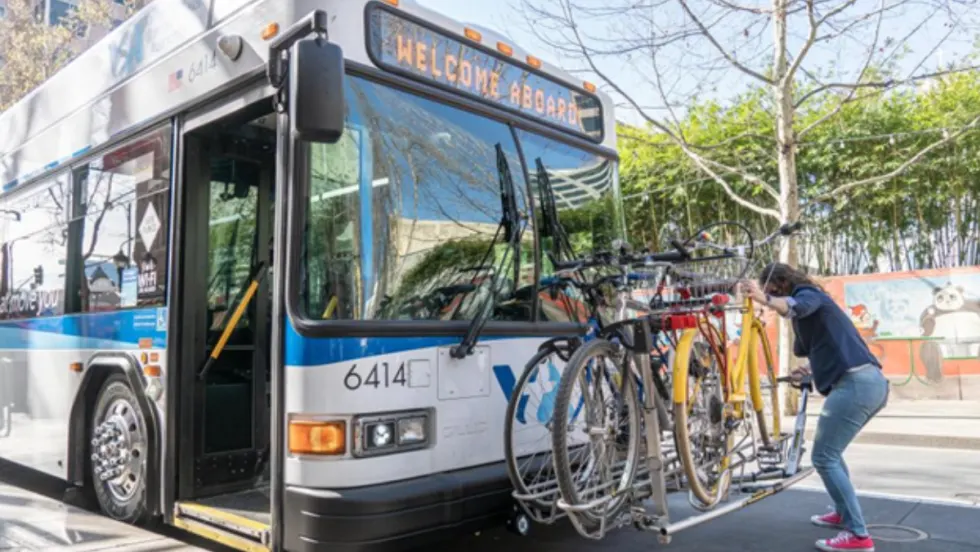
What Multimodal Data Can Tell Transit Agencies About Rider Demand
See how bike-on-bus data is giving transit agencies new insight into rider demand, capacity constraints, and gaps in first- and last-mile connections.
Read More →
From Hardware to Digital Partner: Luminator Charts Its Next Chapter
CEO Magnus Friberg discusses Luminator’s shift toward becoming a digital partner, the growing importance of software and interoperability, and how AI can help agencies improve operations and passenger experience.
Read More →
Biz Briefs: Alstom Lands Canadian Contract, LYT to Supply California TSP, and More
In METRO's latest installment, we take a look at recent news from Complete Coach Works, Beep, FlixBus, and more partnerships making headlines across the transportation sector.
Read More →
CharterUP’s Armir Harris on Technology, AI, and the Future of Group Mobility
In a recent episode of METROspectives, CharterUP Founder/CEO Armir Harris discussed the company’s evolution from an online charter bus marketplace into a technology platform supporting public- and private-sector mobility and much more.
Read More →
Jacksonville’s NAVI Project Charts a New Course for Autonomous Public Transportation
Through its NAVI program, JTA is showing how autonomous vehicles, intelligent infrastructure, and coordinated operations can work together to deliver everyday public transportation.
Read More →
Biz Briefs: Luminator Marks Milestone and More
From manufacturers and suppliers to transit agencies and motorcoach operators, these updates offer a snapshot of the projects, partnerships and business moves driving the industry forward.
Read More →
New Tricks for Old Bureaucracies: Joshua Schank on Making Transit Innovation Stick
Former LA Metro Chief Innovation Officer Joshua Schank discusses why good ideas aren't enough, how transit agencies can overcome resistance to change, and why today's challenges demand more innovation.
Read More →