



San Francisco Transbay Corridor project lands $300M in CIG funding
In addition to the allocation announcement, FTA is also advancing the project into the Engineering phase.

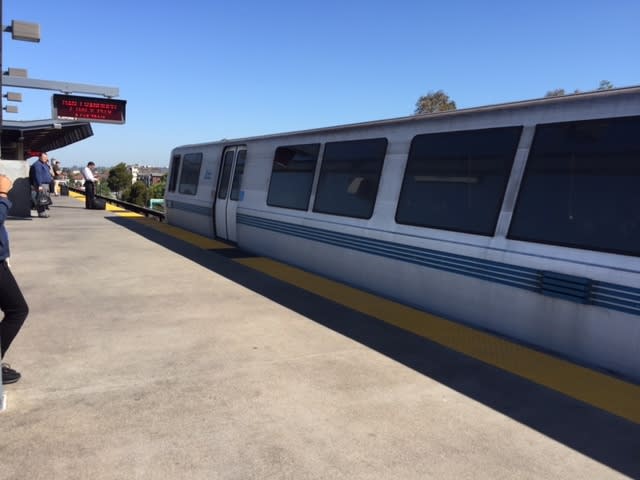
The Transbay Corridor Core Capacity project will implement capacity improvements for the BART heavy rail transit system between Oakland and Daly City in South San Francisco.
Thi Dao
The Transbay Corridor Core Capacity project will implement capacity improvements for the BART heavy rail transit system between Oakland and Daly City in South San Francisco.
Thi Dao
The Federal Transit Administration (FTA) awarded a $300 million Fiscal Year (FY) 2018 funding allocation to the Transbay Corridor Core Capacity project through FTA’s Capital Investment Grants (CIG) Program. The project will improve capacity on the existing Bay Area Rapid Transit (BART) heavy rail system between Oakland and downtown San Francisco.
With this announcement, FTA has advanced funding for 23 new CIG projects throughout the nation under this administration since January 2017, totaling approximately $6.3 billion in funding commitments.
The Transbay Corridor Core Capacity project will implement capacity improvements for the BART heavy rail transit system between Oakland and Daly City in South San Francisco. Upon final FTA approval of a construction grant agreement, the project will receive $300 million in FY 2018 CIG funds as an initial payment on the total CIG commitment.
In addition to the allocation announcement, FTA is also advancing the Transbay project into the Engineering phase, the second phase of the CIG program. The project must still progress through additional steps in the CIG program to be eligible to receive a construction grant agreement.
“We are pleased to allocate funding to San Francisco’s Transbay project,” said FTA Acting Administrator K. Jane Williams. “This project will allow BART to operate up to 30 trains per hour through the Transbay Tube, helping to alleviate crowding and accommodate growing ridership.”
More Rail
Caltrain’s Electrification Drives a New Era of Ridership Growth
The railroad’s shift to electric service has brought more frequent trains, stronger customer satisfaction, and increased ridership, earning it APTA’s Outstanding Public Transportation System award.
Read More →
FTA Advances $164M Broward County Commuter Rail Project
The proposed 10.5-mile commuter rail extension would connect Fort Lauderdale and Aventura, expanding passenger rail options in South Florida.
Read More →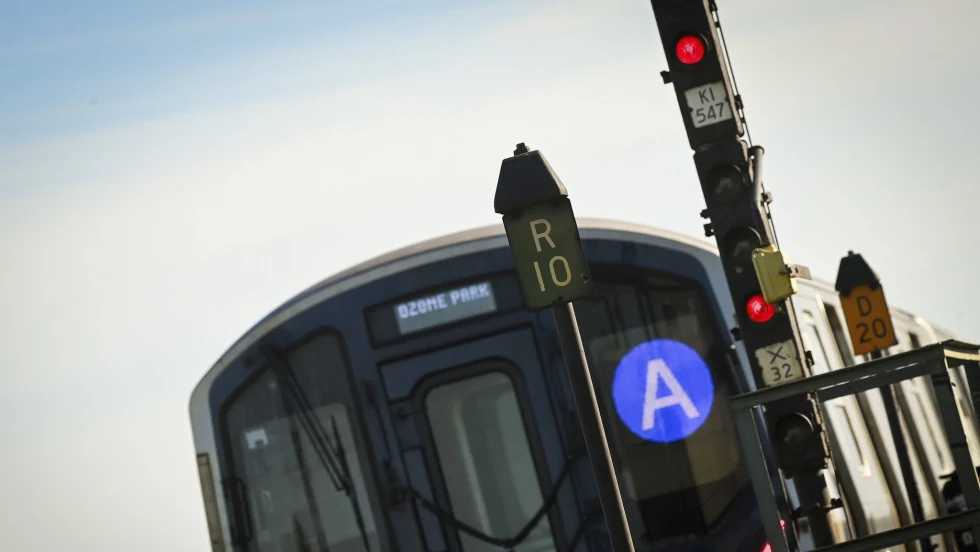
New York MTA Launches Historic $1.9B Signal, Track Modernization Project
Funded in part by congestion pricing revenue, the project will replace nearly century-old signals along the A and C lines in Brooklyn and Queens.
Read More →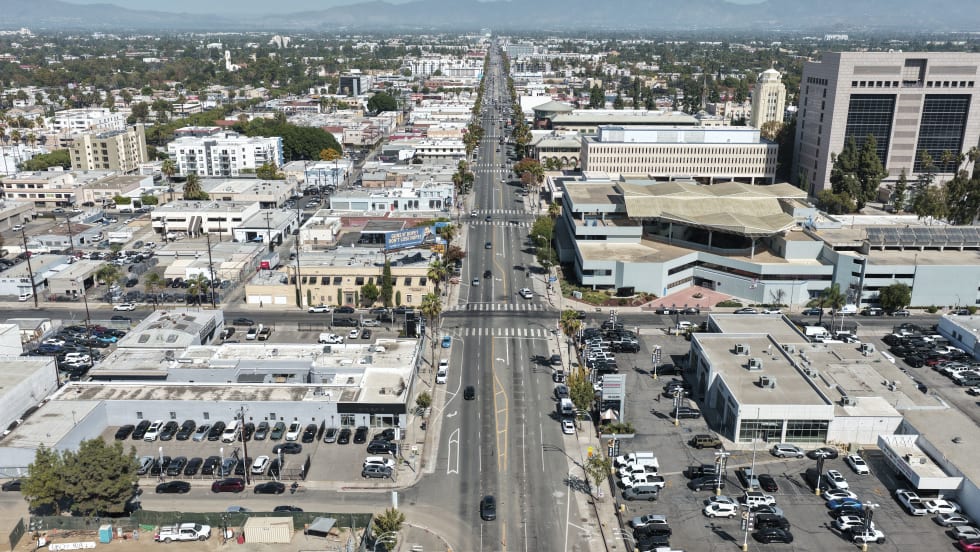
LA Metro Breaks Ground on East San Fernando Valley Light Rail Project
The 6.7-mile line will add 11 stations along Van Nuys Boulevard, expand access to jobs and regional transit connections, and support Metro’s broader efforts to improve mobility as rail ridership grows.
Read More →
CSA Group Releases Climate Resilience Standard for Transit, Passenger Rail
Developed with support from the Standards Council of Canada, CSA D700 guides assessing climate-related risks and planning adaptation measures for transit and passenger rail systems.
Read More →
LA Metro September Ridership Climbs 3.9%, Led by Rail Growth
The agency recorded more than 27.2 million boardings, with rail ridership increasing 12.4% year over year and the D Line posting the largest gains.
Read More →
First Full MetroLink Rail Expansion Completed in 20 Years with $192M Airport Project
The project links two St. Louis-area airports by light rail while adding roadway and bike trail connections to improve regional access and mobility.
Read More →
Utilimarc Launches SmartReplace to Optimize Fleet Replacement Decisions
AI-powered SmartReplace helps fleets prioritize vehicle replacements, model budget scenarios, and build more defensible long-term strategies.
Read More →
Scenes from APTA TRANSform & EXPO 2026
Transit leaders, manufacturers, and industry professionals gathered in Chicago to explore new technologies, share ideas, and discuss the future of public transportation.
Read More →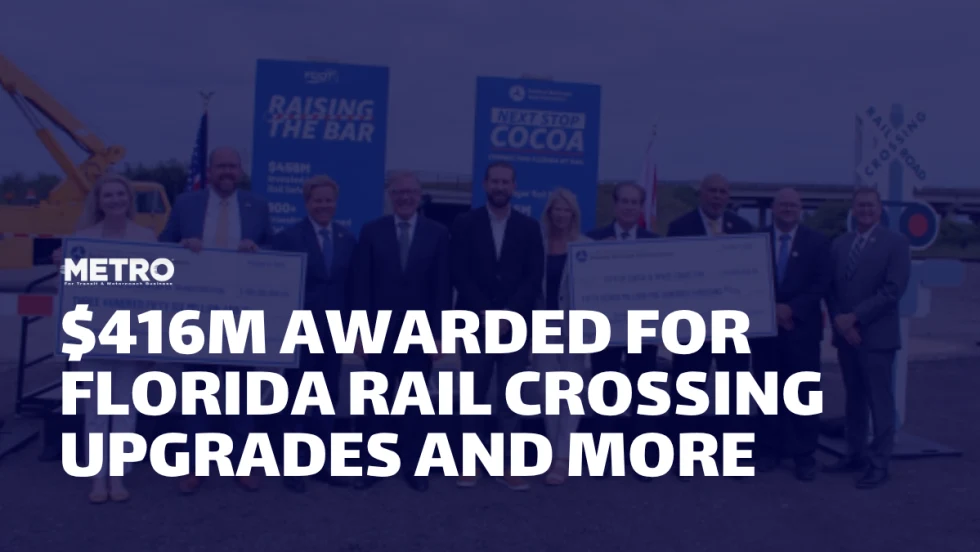
USDOT Awards $416 Million for Florida Rail Crossing Safety Upgrades, New Brightline Station
The projects aim to reduce risks for motorists and pedestrians at rail crossings while expanding passenger rail access along Florida’s Space Coast.
Read More →