



San Mateo County Transit District names Hartnett as new transit head
Jim Hartnett replaces Michael J. Scanlon, who is retiring after a distinguished career in the transit industry, which includes running the District for more than 15 years.

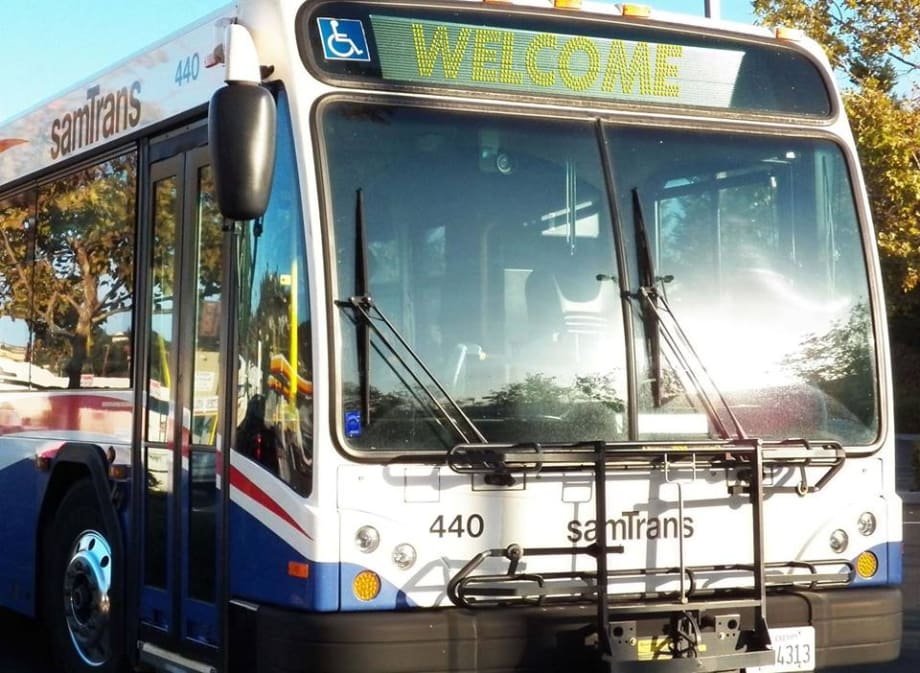
SamTrans
SamTrans
Jim Hartnett, a veteran transportation and community leader, was unanimously appointed Wednesday to head California's San Mateo County Transit District, which includes the SamTrans bus and paratransit system, the Caltrain Peninsula commuter rail service and the San Mateo County Transportation Authority, which funds transit and transportation programs.
Hartnett will be the GM/CEO of the District, a job that carries with it the titles of GM/CEO of SamTrans, executive director of Caltrain and executive director of the Transportation Authority. He starts his new job on March 30.
Hartnett, a Redwood City resident, served more than a decade on both the District and the Caltrain boards of directors and has served both boards as chair. He was appointed four years ago to the California High Speed Rail Authority Board of Directors, where he served most recently as vice chair. He has resigned from that board. He served 15 years on the Redwood City City Council, including terms as mayor and vice mayor.

Jim Hartnett
He replaces Michael J. Scanlon, who is retiring after a distinguished career in the transit industry, which includes running the District for more than 15 years.
“This is personal for me,” said Hartnett. “I grew up on the Peninsula. I rode the bus before there was a SamTrans. I rode the train before there was a Caltrain. I believe in what transit can do to make a better life for all of us and to preserve those things we so deeply value and treasure about living and working here. I understand the important role our bus and train systems play in maintaining our quality of life and sustaining the economic vitality of our region.”
Added Hartnett: “These three agencies are doing outstanding work and their combined talents comprise a team of well-respected employees who are working together to achieve the region’s transportation vision. I’m privileged to have the opportunity to serve at this extremely important time and I appreciate the confidence and trust that has been placed in me.”
The District serves three counties, 35 cities and millions of residents and commuters. Combined, the three agencies have budgets of more than $500 million, capital projects well in excess of $1.7 billion and engage more than 1,500 full-time, part-time and contracted employees.
Hartnett’s appointment is the result of a nationwide recruitment that took more than six months and included consideration of more than 200 applicants.
More Management
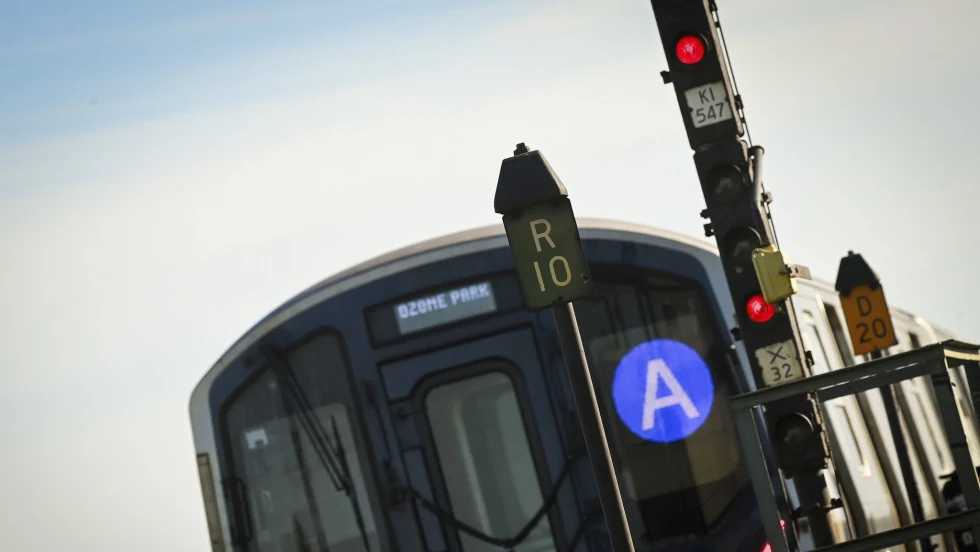
New York MTA Launches Historic $1.9B Signal, Track Modernization Project
Funded in part by congestion pricing revenue, the project will replace nearly century-old signals along the A and C lines in Brooklyn and Queens.
Read More →
Brian Dickson on Building Stronger, More Resilient Transportation Organizations
Bus Business Consultants Founder Brian Dickson discusses the leadership principles, operational discipline, and strategic planning that separate transportation companies positioned for long-term success from those stuck in survival mode.
Read More →
LA Metro Breaks Ground on Vermont BRT Project
The 12.4-mile corridor is projected to serve 66,200 daily riders, reduce travel times by up to 24%, and create the nation's busiest bus rapid transit corridor.
Read More →
Building Stronger Leaders, More Resilient Transit Teams
Dr. Carol Parker Walsh discusses leadership development, employee retention, workplace culture, and preparing transit’s workforce for AI and automation.
Read More →
Roman Cornell on ABC Companies’ Evolution and the Future of Passenger Transportation
The company’s CEO discusses carrying forward a third-generation family legacy, ABC’s continued evolution in passenger transportation, support for increasingly complex fleets, and how technology and continued investment could help operators improve uptime.
Read More →
CATS Launches West Charlotte Microtransit Zone, Expands Transit Services
The new microtransit zone connects residents to key destinations as Charlotte Area Transit System rolls out the first phase of its 2055 Transit System Plan.
Read More →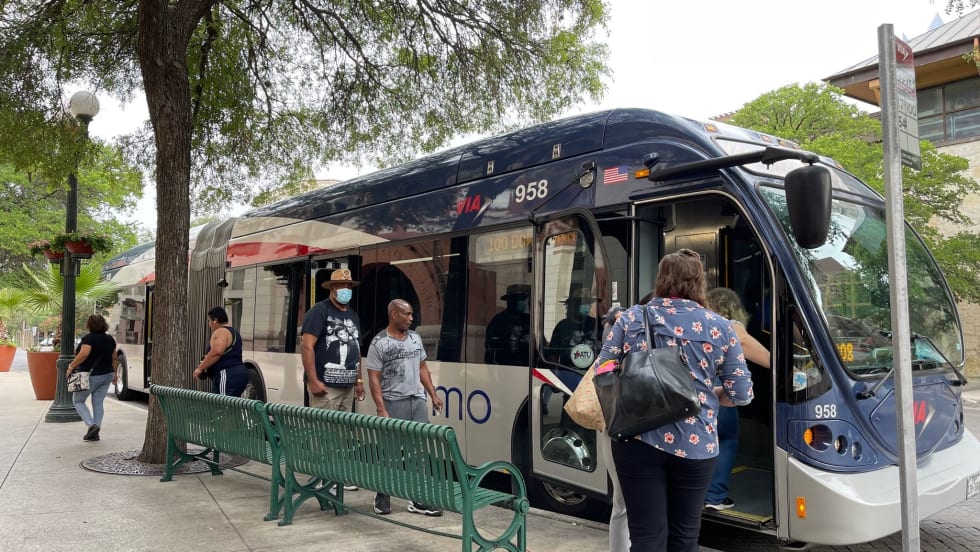
VIA Bus Ridership Grows 10.1% Through August 2026
San Antonio's VIA Metropolitan Transit reported the highest bus ridership growth among major Texas transit systems. Federal Transit Administration data ranked it second among the nation's 50 largest transit systems.
Read More →
CSA Group Releases Climate Resilience Standard for Transit, Passenger Rail
Developed with support from the Standards Council of Canada, CSA D700 guides assessing climate-related risks and planning adaptation measures for transit and passenger rail systems.
Read More →
ETA CEO John Maglio on Transit Technology, Innovation, and Building Agency Trust
ETA founder and CEO John Maglio explores the evolution of transit technology, the importance of reliable systems, and how stronger partnerships can help agencies improve operations and the passenger experience.
Read More →
COTA Launches First Customer Experience Action Plan to Improve Transit Service
The new plan outlines improvements to service reliability, accessibility, communication, and the overall rider experience across Central Ohio's transit system.
Read More →