




Related: NJT reopens station, NTSB releases preliminary findings
Senator calls for NJ Transit, Metro-North to improve communication during emergencies
Sen. Charles Schumer said that, while both railroads are making long-term plans to improve safety on the rails, there are short-term communications issues that can and must be dealt with on the heels of the NJT train crash in Hoboken just last week, which injured more than 100 and killed one person.
October 11, 2016
3 min to read
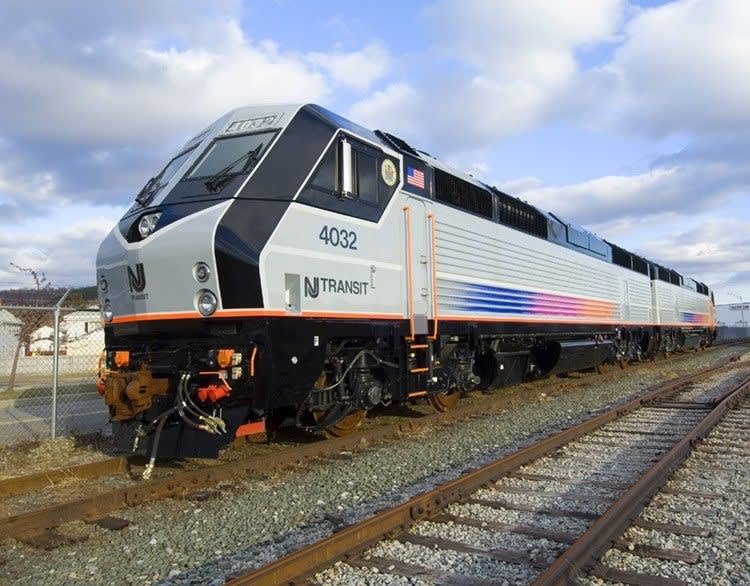
During a visit to the Tuxedo New Jersey Transit Train Station, U.S. Sen. Charles E. Schumer demanded New Jersey Transit (NJT) and Metro-North immediately make every effort to improve communication with Orange and Rockland County commuters during emergencies and service outages.
Schumer said NJT’s effort to communicate with riders during the emergency was inadequate, unavailable or confusing, adding that it was unacceptable, and NJT
should make a public commitment to dramatically improve communication with travelers during emergencies. Schumer also said the major service delays reaffirm the desperate need to complete the long-sought one-seat ride to Penn Station for long-suffering Orange and Rockland train commuters.
Schumer said that, while both railroads are making long-term plans to improve safety on the rails, there are short-term communications issues that can and must be dealt with on the heels of the NJT train crash in Hoboken just last week, which injured more than 100 and killed one person. Following the crash, commuters across Orange and Rockland Counties that rely on NJT to bring them to transfer points in Secaucus Junction and Hoboken in New Jersey, and then into New York City, were left stranded without clear direction on how to get into the city or home later that day following the accident.
Schumer said riders throughout the Hudson Valley were left without adequate information about the nature of the accident, the duration of the expected service outages, and the potential alternative travel options. Schumer highlighted three specific instances of communications breakdowns on NJT’s part that negatively impacted Orange and Rockland commuters.
Schumer argued that it is incumbent on both NJT and Metro-North to improve communication with riders following accidents and outages like this. As a result of these situations where poor communication impacted commuters, Schumer called on these two agencies to take immediate steps to begin addressing this issue. Schumer said there are many ways NJT and Metro-North can work to improve communication, including the following:
First, Schumer said these agencies should expand efforts to sign-up commuters for e-mail and text message alert systems. Schumer said these text alerts should be sent to smartphones, with multi-media and hyperlinks included, so riders can quickly access information when time is of the essence.
Second, Schumer said these two entities must get serious about expanding the use of social media tools, so they can improve real time communication with riders during emergencies. Schumer said social media platforms like Facebook, Instagram and more should be used as a tool during emergencies to keep the commuting public informed.
Third, Schumer said these two agencies should work to better ensure that Public Address systems and loud speakers at stations are audible and working properly. Schumer said many riders report garbled announcements during emergencies can leave riders further confused and frustrated.
Finally, Schumer urged the two agencies to expand the immediate presence of well-informed staff to provide real-time information to customers at platforms, including smaller stations like those in Orange and Rockland Counties. Schumer said that NJT and Metro-North should work together to better prepare and plan for these situations so that commuters aren’t left uninformed, confused or stranded.
Separately, Schumer said these major service delays reaffirm the desperate need to complete the long-sought one-seat ride to Penn Station for long-suffering Orange and Rockland train commuters. Schumer said these commuters would not have been so drastically and negatively impacted by service delays and outages if they had a way to travel directly into New York City’s Penn Station, without having to stop and transfer in New Jersey. Schumer said this long-sought-after project would go a long way for increasing convenience and decreasing travel time for West-of-the-Hudson commuters in Orange and Rockland Counties.
More Management

METRO Opens Submissions for 2026 Motorcoach Awards
Nominations are now being accepted for METRO Magazine’s Operator of the Year and Innovative Operator of the Year awards.
Read More →
New York MTA Advances Final Contract for Second Avenue Subway Expansion
Contract Four is the largest in the Second Avenue Subway Phase 2 project and includes construction of station infrastructure, tracks, and signals for the subway expansion, MTA officials said. Work on Contract Four will begin in 2027.
Read More →
Transit Agencies Highlight Safety Gains at National Summit
Leaders from 15 major transit systems shared crime-reduction results and safety initiatives while discussing the role of continued federal support.
Read More →

NITA Names New Leadership, Expands Reduced-Fare Program at First Board Meeting
The new regional transit authority appointed its first board chair and interim executive director while extending reduced fares across CTA, Metra, and Pace for eligible riders.
Read More →
Beyond the Checklist: A Structured Approach to Transit Maintenance
Reliability-Centered Maintenance helps transit agencies move beyond routine checklists to focus limited resources on the assets and failures that have the greatest impact on safety, reliability, and service.
Read More →
APTA 2026 Nominating Committee Selects Leadership Slate, Names Chair and Vice Chair Nominees
Leadership changes will help shape the association’s priorities and its representation of the transportation industry during the 2026–2027 term.
Read More →
DART Launches Major Security, Fare Enforcement Initiative
The 90-day demonstration will deploy coordinated security teams at five light rail stations while testing controlled access and gathering data to guide future investments.
Read More →
Sponsored•September 9, 2026
Advancing Fare Collection Through Technology and Innovation
Learn about delivering 1300 gates at 91 stations while managing fare evasion. Explore the large scale deployment, solution customization and real-world results that affect the region. Prepare for deployment in your region now.
Read More →
Game Day in Motion: Moving Millions During the 2026 World Cup
Between packed transit stations and team motorcoaches, see how agencies and operators across North America tackled the transportation demands of the 2026 FIFA World Cup.
Read More →
Surface Transportation Extension Averts Shutdown, Leaves Transit Funding Gap
The stopgap keeps federal transportation programs moving, but missing advance funding could complicate the transit and rail projects agencies are planning next.
Read More →