



SEPTA awarded $12.8M for power station rebuild
The TIGER 2012 discretionary grant will improve the reliability and safety of the Wayne Junction Power Substation by replacing 25 indoor and outdoor rail breakers, transformers, cut-out switches, relays, and control equipment.

The Federal Transit Administration awarded a $12.8 million Transportation Investment Generating Economic Recovery 2012 (TIGER 2012) discretionary grant to Southeastern Pennsylvania Transit Authority (SEPTA) to rebuild the Wayne Junction Power Substation.
The project is one of 47 transportation projects in 34 states and the District of Columbia selected to receive funding under the U.S. Department of Transportation’s highly competitive $500 million TIGER 2012 grant program.
The substation, which was originally constructed in 1931 and has been in continuous operation ever since. It continues to operate with the majority of the original components and is the central point, supplying power to SEPTA’s Main Line and northern branches which collectively carry over 17.5 million passengers annually.
Philadelphia identified the project as necessary to improving the reliability and safety of a critical transit substation in urgent need of repair. The Wayne Junction Power Substation serves a critical role in the Philadelphia region’s commuter network, powering much of SEPTA transit systems. If the Wayne Junction substation failed, commuters across the Philadelphia area and surrounding counties that rely on SEPTA’s Main Line and northern branches, including the Lansdale-Doylestown, Warminster, West Trenton, Fox Chase, Chestnut Hill East and Norristown Lines would be without regional rail.
The grant will also replace 25 indoor and outdoor rail breakers, transformers, cut-out switches, relays, and control equipment. Maintaining the substation will ensure efficient, cost-effective, and safe commuter rail service for the City of Philadelphia and the region.
The TIGER 2012 discretionary grant program awards grants to innovative projects that are difficult or impossible to fund through other federal programs. In many cases, these grants will serve as the final piece of funding for infrastructure investments totaling $1.7 billion in overall project costs. These federal funds are being leveraged with money from private sector partners, states, local governments, metropolitan planning organizations and transit agencies.
More Rail
FRA Announces $5.3B in Rail Investments, Including $2B for Amtrak
Funding will support grade-crossing improvements, infrastructure upgrades, and new Amtrak equipment in 23 states.
Read More →
Finding the ‘Happy Medium’: Optimizing Maintenance Without Sacrificing Reliability
The key to maintenance optimization isn’t doing less work—it’s doing the right work at the right time on the right assets.
Read More →
OKC Streetcar Makes Zero-Fare Service Permanent
Ridership increased an average of 71% compared with the same period a year earlier during the fare-free pilot.
Read More →
DART Customer Satisfaction Reaches Six-Year High
Overall satisfaction rose to 74.9%, while the agency’s Net Promoter Score reached a record 33.7.
Read More →
How DART's GoPass Is Redefining Regional Mobility
Serving 14 transit agencies, GoPass simplifies multimodal travel by allowing riders to plan, pay for, and manage an entire trip through one app.
Read More →
Amtrak Board Advances Plan to Restructure Organization, Seeks Public Input
The proposal, developed by Amtrak management and approved by the board for further consideration, is intended to modernize the organization's structure while improving accountability, operational efficiency, and customer service.
Read More →
Biz Briefs: STV teams with Amtrak, Motorcoach Operators Boost Fleet and Land Contracts, and More
From manufacturers and suppliers to transit agencies and motorcoach operators, these updates offer a snapshot of the projects, partnerships and business moves driving the industry forward.
Read More →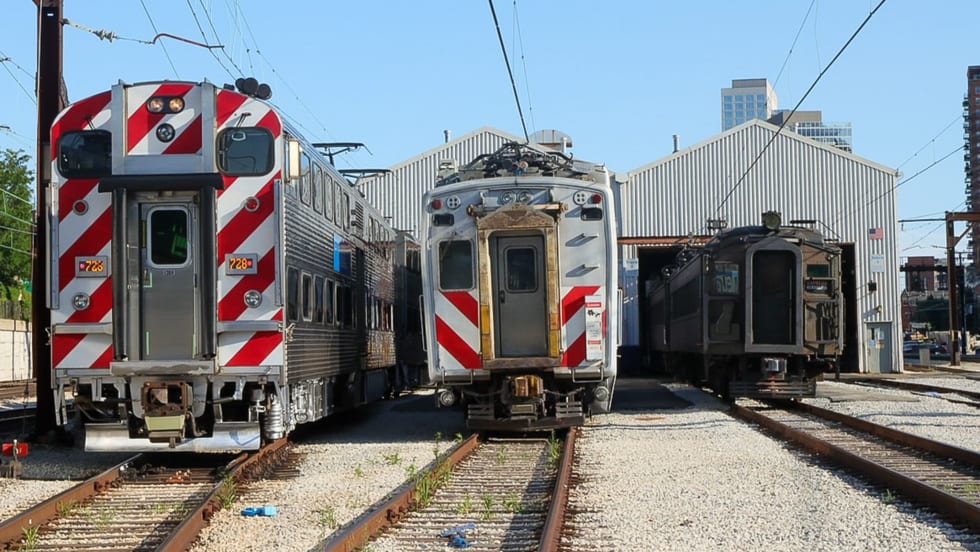
Metra Celebrates 100 Years of Electric Rail, Looks to the Future
The event was also a celebration of recent reforms to public transportation in the Chicago area, changes that could be as transformative in the future as the major civic achievement a century ago, said officials.
Read More →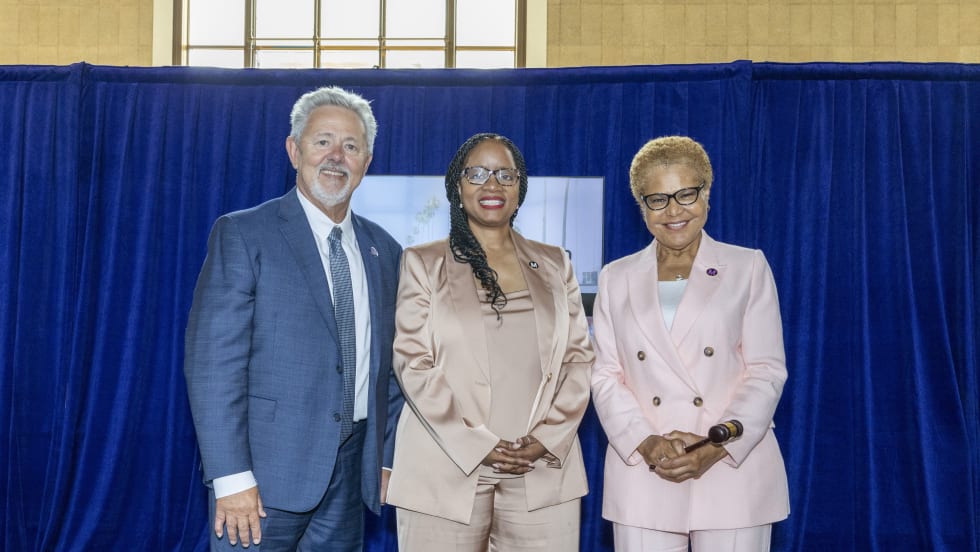
LA Metro Marks Banner Year, Sets Ambitious Goals for New Fiscal Year
Incoming LA Metro Board Chair and Los Angeles Mayor Karen Bass joined outgoing Board Chair Fernando Dutra and LA Metro CEO Stephanie Wiggins to review accomplishments from fiscal year 2026, which included the opening of new rail extensions, advancement of major transit projects, expanded safety programs, and new rider amenities.
Read More →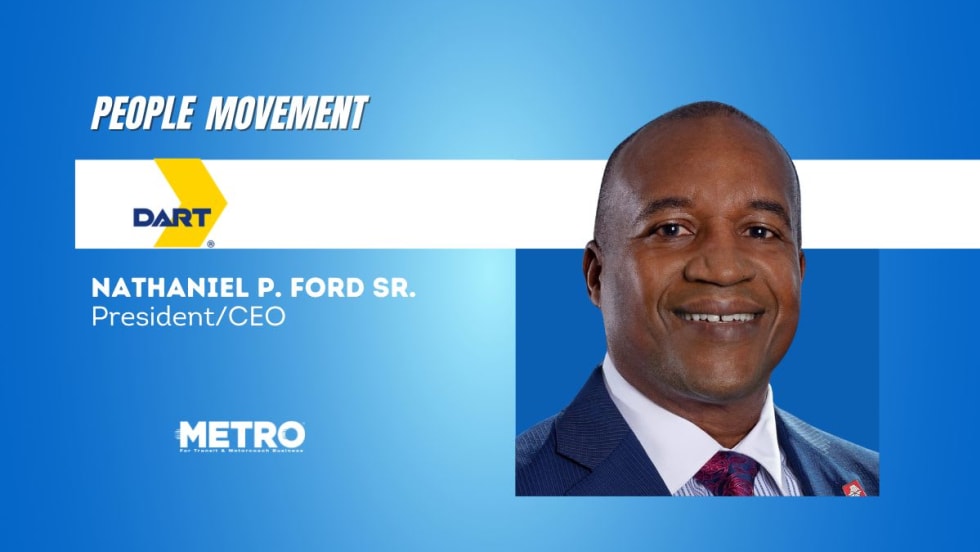
DART Taps Nathaniel P. Ford Sr. as Next President/CEO
Since 2012, Ford has served as the CEO of the Jacksonville Transportation Authority
Read More →