




RELATED: San Francisco MTA bans political ads
SFMTA launches distracted driving campaign
The agency is crowdsourcing data collection to determine how distracted driving impacts the city's communities.
November 9, 2017

The distracted driving campaign is funded by an $111,393 grant from the National Safety Council. Photo: San Francisco Municipal Transportation Agency
3 min to read
The distracted driving campaign is funded by an $111,393 grant from the National Safety Council. Photo: San Francisco Municipal Transportation Agency
The San Francisco Municipal Transportation Agency (SFMTA) launched a new education and enforcement campaign to address distracted driving in San Francisco. The initiative is in support of city’s Vision Zero goal to eliminate all traffic deaths in the city.
To collect more data about distracted driving and its impact on San Francisco’s communities, the SFMTA is leading a first-of-its-kind campaign to study, enforce, and reduce distracted driving behavior in San Francisco. San Franciscans can now use a new crowdsourcing website to identify locations where they have witnessed distracted driving and would like to see increased enforcement.
According to the California Office of Traffic Safety, talking or texting on a cell phone is the leading cause of driver distraction, and 80 percent of traffic crashes involve some type of driver distraction. The National Highway Traffic Safety Administration has also found that drivers who text while driving are 23 times more likely to be in a traffic crash, and that the rate of fatal collisions caused by distracted driving is increasing faster than fatalities caused by alcohol and drug use, speeding, and failure to use a seatbelt while driving.
The crowdsourced data will inform the location of six high visibility San Francisco Police Department enforcement events targeting distracted driving in early 2018. The SFMTA and San Francisco Department of Public Health will monitor distracted driving activity at the chosen locations before, during, and after the campaign.
One of the primary issues with collecting data about distracted driving is that it is chronically underreported. This is for a variety of reasons, including a lack of nationwide standardization in police reports, difficulties in being able to determine whether distraction figured into a collision, and an unwillingness of drivers to report distractions.
“High visibility enforcement campaigns have been shown to reduce distracted driving in cities where they have been conducted, so this new campaign provides us with an opportunity to test them in San Francisco,” said San Francisco Police Chief, William Scott. “Additionally, the campaign will enable us to collect data about distracted driving at the local level, where none currently exists. This will help us better understand the true scope of this known and dangerous activity in San Francisco.”
The distracted driving campaign is funded by an $111,393 grant from the National Safety Council. In addition to the crowdsourcing tool, the high visibility enforcement events and the program evaluation efforts, the grant will also enable the SFMTA and partner agencies to conduct statistically significant research into San Franciscans’ attitudes toward distracted driving and understanding of California laws that relate to cell phone usage while driving; develop a marketing campaign focused on distracted driving prevention; and partner with third-party app developers to introduce and/or enhance existing safety features that curb cell phone usage while driving.
More Security and Safety

Transit Agencies Highlight Safety Gains at National Summit
Leaders from 15 major transit systems shared crime-reduction results and safety initiatives while discussing the role of continued federal support.
Read More →
DART Launches Major Security, Fare Enforcement Initiative
The 90-day demonstration will deploy coordinated security teams at five light rail stations while testing controlled access and gathering data to guide future investments.
Read More →
RTD Launches NextRide App to Consolidate Trip Planning, Fares, Security Reporting
The app expands on RTD’s existing NextRide web application and allows customers to view real-time vehicle locations and service alerts, purchase and store digital fares, and access customer support.
Read More →

TAPTCO Updates OSHA Compliance Training for Transit Maintenance Operations
The revamped program addresses 26 OSHA standards for maintenance facilities, with TAPTCO pointing to training, documentation, and everyday shop hazards as continuing challenges for transit operations.
Read More →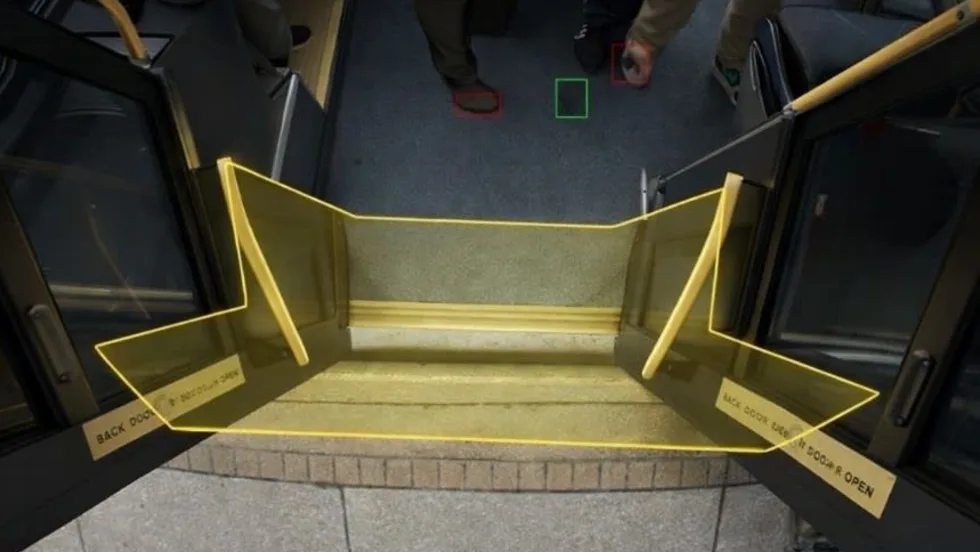
Sponsored•August 18, 2026
How VaporVision Adds Value to Transit Door Systems
Wabtec engineers explain how the system improves doorway detection, strengthens diagnostics and gives transit agencies and OEMs greater operating flexibility.
Read More →
FRA Announces $5.3B in Rail Investments, Including $2B for Amtrak
Funding will support grade-crossing improvements, infrastructure upgrades, and new Amtrak equipment in 23 states.
Read More →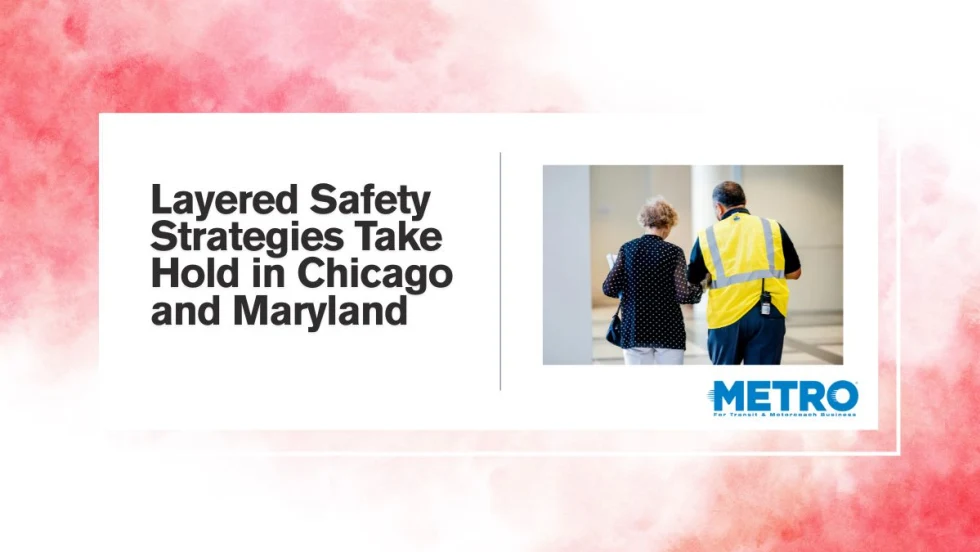
Chicago, Maryland Expand Non-Law-Enforcement Safety, Rider Support
The CTA and MTA are launching new programs aimed at de-escalation, crisis response, rider assistance, and greater transparency.
Read More →
LA Metro, City of West Hollywood, and Partners Advance Smarter Bus Lane Enforcement
The award-winning partnership combines AI-powered detection with human oversight to improve bus reliability, accessibility, and enforcement efficiency.
Read More →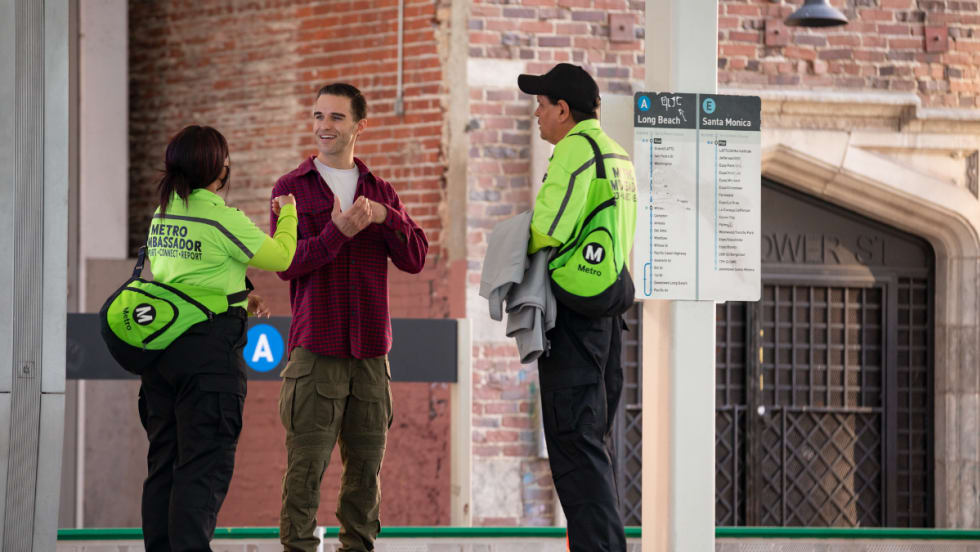
LA Metro Reports 57% Decline in Homelessness on Transit System Since 2024
The agency's latest homelessness count offers new data on how care-based services and cross-sector partnerships can complement traditional transit security strategies.
Read More →
FTA Launches 'Transit Moves America' Dashboard to Highlight Agency Safety and Performance
The online dashboard transforms National Transit Database information into a public-facing resource that allows users to compare transit agencies on key operational and safety metrics.
Read More →