



Siemens unveils new generation of controllers for rail applications
The new range includes the Siplus extreme Rail S7-1500 and S7-1200 Advanced, Basic and Distributed controllers with ET 200SP, as well as the Siplus HMI KP300 Basic rail panel for operator control and monitoring.


New Siemens automation controllers for rail applications are being launched on the market. The new rail-tested and approved Siplus extreme rail devices are based on the latest generation of Simatic S7 controllers and are specially designed for the extreme conditions encountered in rail applications.
The new range includes the Siplus extreme Rail S7-1500 and S7-1200 Advanced, Basic and Distributed controllers with ET 200SP, as well as the Siplus HMI KP300 Basic rail panel for operator control and monitoring. The devices have comprehensive certifications and all the necessary rail approvals (EN 15121, 45545, 50124, 50125 and 50155) and can be used on board the train or on the track for a wide range of automation tasks covering all rail applications. Typical applications are heating, ventilation and climate control (HVC) systems in the train and signal systems, door drive systems on platform screen doors, or sanding and lighting systems in the depot. The network Siplus extreme rail devices supersede the existing Siplus S7-200 and -300 technology.
For configuration and commissioning of the new Siplus extreme rail devices, the user can use the TIA Portal (Totally Integrated Automation) engineering framework, as in the case of the standard Simatic controllers. The data storage facilities of the portal, the practical library concepts and standardized operating philosophy support the user with global functions. Using this coordinated system, comprising new Siplus extreme rail equipment, Profinet-based communication and engineering in the TIA Portal, the user can create efficient automation solutions for rail applications quickly and easily.
The new Siplus extreme rail devices are designed and tested from the outset for extreme environmental conditions such as humidity, corrosive gases, salt spray, dust and electromagnetic interference.
In addition, they are designed to meet the more exacting demands of rail applications, such as "mobile" use in trains. Measures include testing of the behavior and side effects of fire with regard to the materials used and the special conformance coating of the electronics in accordance with EN 50155. The temperature classes specified in the standard differ according to the product: for TX, minus 40 to plus 85; and for T1, minus 25 to plus 70 degrees Celsius. Prior to shipment, each Siplus extreme rail product is subjected to an insulation test required by the standard to ensure dielectric strength.
More Rail
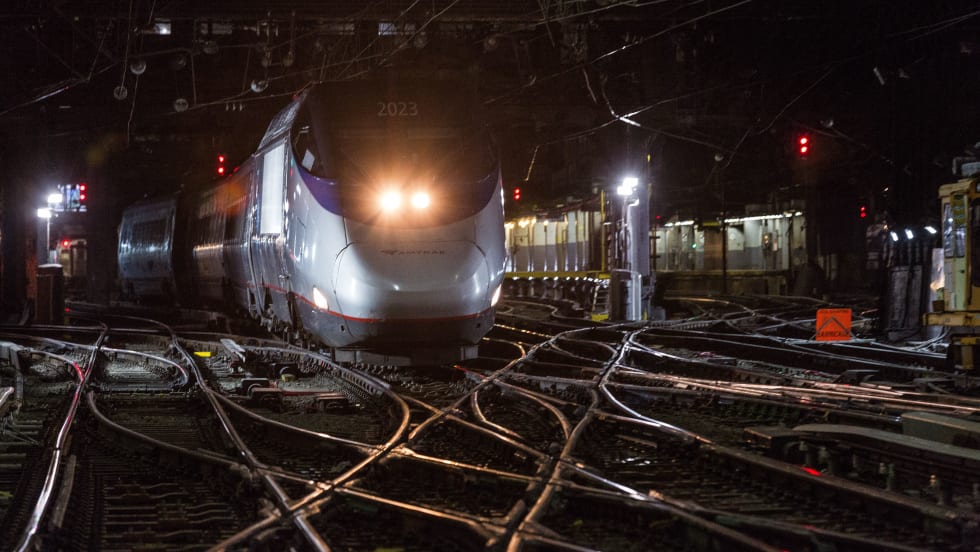
Amtrak Board Advances Plan to Restructure Organization, Seeks Public Input
The proposal, developed by Amtrak management and approved by the board for further consideration, is intended to modernize the organization's structure while improving accountability, operational efficiency, and customer service.
Read More →
Biz Briefs: STV teams with Amtrak, Motorcoach Operators Boost Fleet and Land Contracts, and More
From manufacturers and suppliers to transit agencies and motorcoach operators, these updates offer a snapshot of the projects, partnerships and business moves driving the industry forward.
Read More →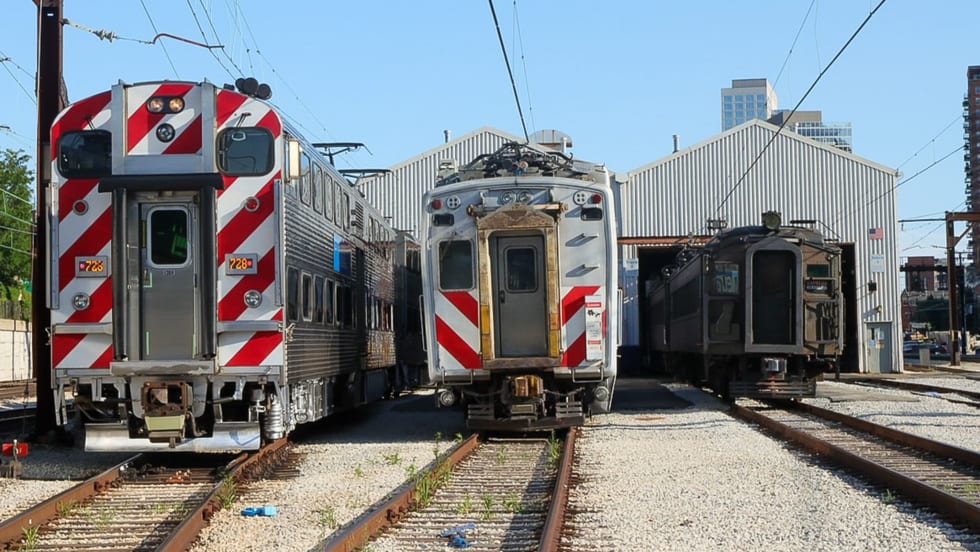
Metra Celebrates 100 Years of Electric Rail, Looks to the Future
The event was also a celebration of recent reforms to public transportation in the Chicago area, changes that could be as transformative in the future as the major civic achievement a century ago, said officials.
Read More →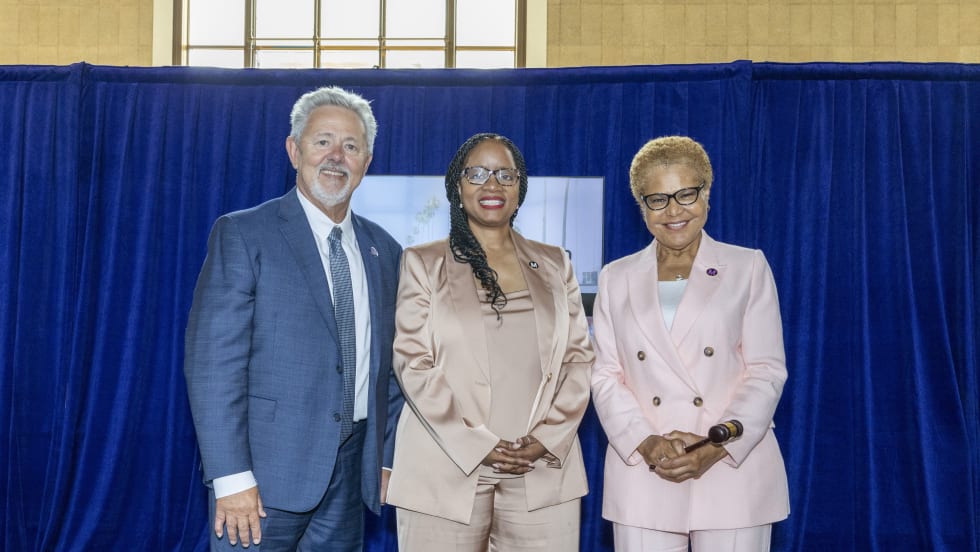
LA Metro Marks Banner Year, Sets Ambitious Goals for New Fiscal Year
Incoming LA Metro Board Chair and Los Angeles Mayor Karen Bass joined outgoing Board Chair Fernando Dutra and LA Metro CEO Stephanie Wiggins to review accomplishments from fiscal year 2026, which included the opening of new rail extensions, advancement of major transit projects, expanded safety programs, and new rider amenities.
Read More →
DART Taps Nathaniel P. Ford Sr. as Next President/CEO
Since 2012, Ford has served as the CEO of the Jacksonville Transportation Authority
Read More →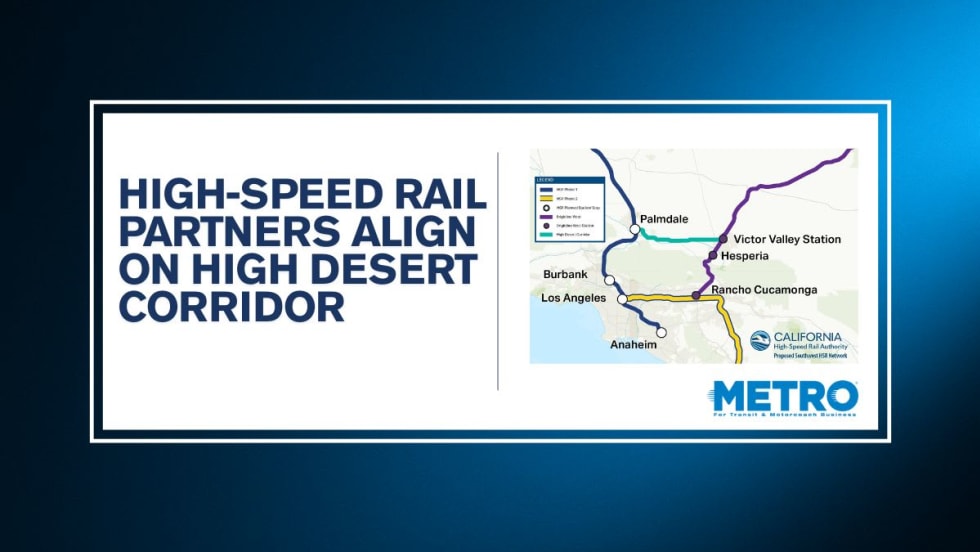
California High-Speed Rail Authority Signs MOU to Advance High Desert Corridor
The agreement deepens collaboration between the California High-Speed Rail Authority and the High Desert Corridor Joint Powers Agency, supporting design integration, cost savings, and faster delivery of a key Southern California rail link.
Read More →
Building the Next Generation of Transit Technology
In this edition of METROspectives, Luminator CEO Magnus Friberg discusses the company's transformation, the growing role of AI and software, and what's next for transit technology.
Read More →
How Data, Strategy, and Community Engagement Are Reshaping Transit
In this edition of METROspectives, strada360 CEO Steve Lassey discusses how transit agencies can better align planning with operations, leverage data to improve decision-making, and build public trust as they prepare for the future of mobility.
Read More →
TTC Launches Camera Pilot to Curb Illegal Passing of Streetcars
During the pilot, the cameras will measure how often illegal streetcar passing occurs and test the technology's reliability for future automated enforcement.
Read More →
NJ TRANSIT Secures Capital Funding, Adopts FY2027 Budget
The budgets continue investments in infrastructure and equipment to maintain the system in a state of good repair and enhance the overall customer experience.
Read More →