




RELATED: Conduent to modernize Calgary Transit ticket vending
Stantec designs first bus rapid transit line to open in Calgary
New multimodal corridor connects more than 60,000 residents and 400 businesses to downtown.
January 4, 2019
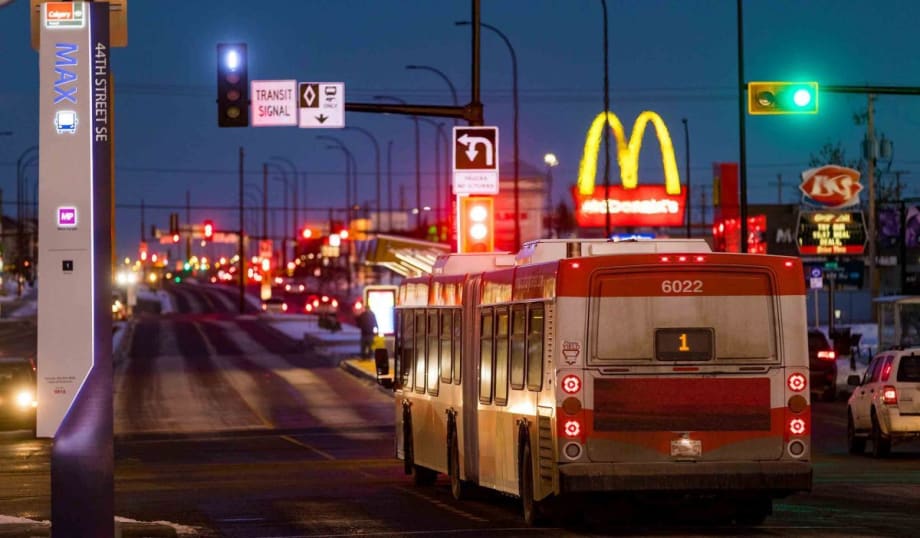
With hundreds of businesses located along the 17 Avenue corridor, a median running transitway was selected to optimize the transit operations and minimize bus/vehicle conflicts (looking eastbound at 44 Street SE). Photo: Jaime Vedres
2 min to read
With hundreds of businesses located along the 17 Avenue corridor, a median running transitway was selected to optimize the transit operations and minimize bus/vehicle conflicts (looking eastbound at 44 Street SE). Photo: Jaime Vedres
Calgary’s first dedicated Bus Rapid Transit (BRT) corridor, called MAX Purple, is now open and serving the community. The design, led by Stantec, has transformed the corridor into a multimodal street with a strong focus on the needs of pedestrians, and transit, while still accommodating high volumes of traffic.
MAX Purple, which has transformed two miles of 17 Avenue SE, will provide Calgarians with a significant improvement in the speed and reliability of transit operations in the corridor, as well as a safer pedestrian experience. The connection of 17 Avenue SE to the City’s downtown has been enhanced by one mile of dedicated facility that provides a direct connection for pedestrians, cyclists and transit. The project was led by the City of Calgary with funding from the Alberta and Federal Governments.
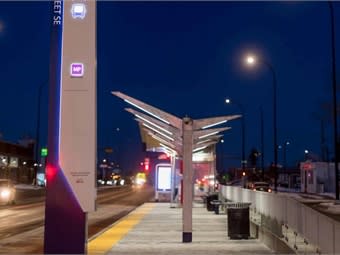
Stantec worked with GEC Architecture to design stations using a “kit of parts” approach, allowing the same components to be used on a variety of scales of stations across the City’s BRT system. The MAX Purple stations include heated shelters, real-time information, security and future allowances for off board fare payment. Photo: Jaime Vedres
Calgary’s 17 Avenue SE has historically had a significant number of pedestrians and transit customers, though the facilities to accommodate them were in need of enhancement. Narrow sidewalks were widened, and a buffer was added between the pedestrian realm and the roadway. In Phase I of the route, the BRT travels along a median transitway through the International Avenue business district — home to more than 400 businesses. The full length of the MAX Purple Line is home to 60,000 Calgary residents.
Phase 2 of MAX Purple is a dedicated facility that runs parallel to 17 Avenue and includes one mile of pathway that pass over the WID Canal, Deerfoot Trail, and the Bow River, providing several direct connections to the City’s extensive pathway system. Initial plans have also been developed to offer dedicated on-street bike accommodation on the parallel corridors.
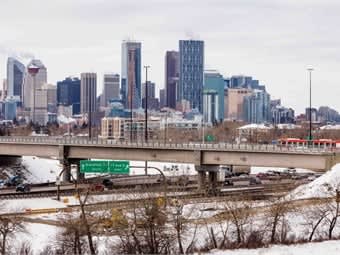
The new transitway bridge over Deerfoot Trail has been designed to allow for potential future conversion to LRT (looking west towards downtown Calgary). Photo: Jaime Vedres
While the project utilized traditional engagement sessions to consult the community, the Stantec team went a step further by also attending unannounced pop-up events at key community locations and drop-in storefronts with extended hours to accommodate the diverse schedules of community businesses and stakeholders.
MAX Purple is one of three new lines for the City of Calgary’s BRT. This project will serve as an example for other jurisdictions in Canada on how to cost-effectively enhance transit while improving the public realm.
Topics:Bus
More Bus

People Movement: Dan Dipert Coaches Adds Third-Generation Leader, Keolis Names New Valley Metro VP/GM, and More
In this edition, we also cover recent appointments and announcements at the Wabtec, SilverRide, HNTB, and more, showcasing the individuals helping to shape the future of transportation.
Read More →
New York MTA Plans Largest Bus Fleet Upgrade in More Than a Decade
The agency is seeking manufacturers for 650 new CNG buses to replace aging vehicles, improve reliability, and advance its broader fleet modernization strategy.
Read More →
Building a Flexible Path to Transit Electrification
John Hroncich discusses BAE Systems’ modular and scalable approach, lessons learned from decades of real-world operations, and how agencies can identify electrification strategies that fit their fleets.
Read More →
Bus Tech Talk: Keeping Transit Technicians Ahead of the Technology Curve
LA Metro’s Obed Mejia discusses technician training, evolving maintenance technology, fleet replacement, and strategies for getting the most out of today’s transit fleets.
Read More →
Biz Briefs: RIPTA Unveils New Frontrunners, Clevland RTA Adds New Siemens, and More
In METRO's latest installment, we take a look at recent news from Siemens, Prevost, Dodge, and more partnerships making headlines across the transportation sector.
Read More →
People Movement: Holly Arnold Joins Transdev and More
In this edition, we also cover recent appointments and announcements at Pace, CamTran, MCI, and more, showcasing the individuals helping to shape the future of transportation.
Read More →
The High Cost of Transit Buses: Industry Leaders Look to Procurement Reform
Transit leaders and policymakers examine how standardized bus designs, streamlined procurement, and predictable funding could help agencies stretch budgets and deliver better service.
Read More →
The Business Voice Behind Public Transportation
As chair of APTA’s Business Members Board of Governors, Ray Melleady explains how more than 850 business members are partnering with transit agencies to advance funding, innovation, and industry-wide collaboration.
Read More →
From Surviving to Thriving: Building Stronger Transportation Organizations
Bus Business Consultants founder Brian Dickson shares lessons on leadership, organizational health, and creating options for long-term success in a changing transportation industry.
Read More →
Finding the ‘Happy Medium’: Optimizing Maintenance Without Sacrificing Reliability
The key to maintenance optimization isn’t doing less work—it’s doing the right work at the right time on the right assets.
Read More →