



Stantec leading renovation of L.A. Metro station
The $109 million expansion of Willowbrook/Rosa Parks Station is critical, as the station has grown to the fourth most heavily used in the Metro system.

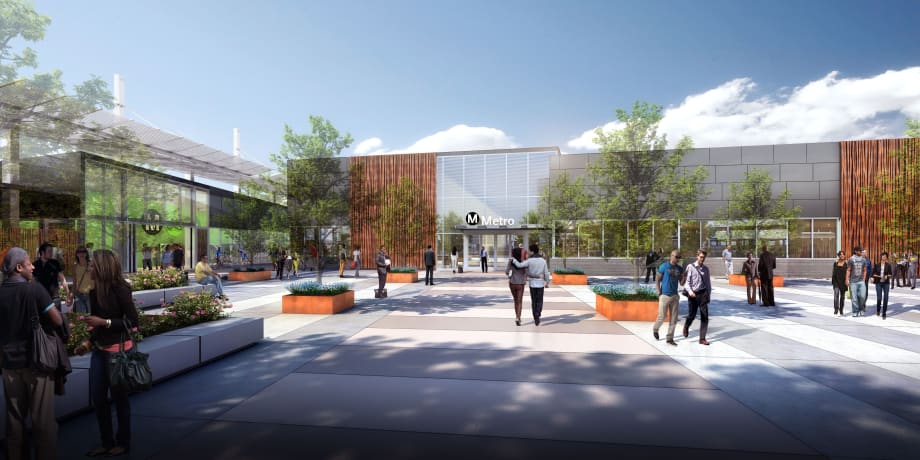
Stantec is providing architecture, lighting design, and project management on the project.
Stantec
Stantec is providing architecture, lighting design, and project management on the project.
Stantec
Stantec is working with the Los Angeles County Metropolitan Transportation Authority (Metro) on the Willowbrook/Rosa Parks Station Improvement Project in Los Angeles. The Project will reimagine the existing Willowbrook/Rosa Parks Station as a community hub with an expanded and more efficient passenger experience, improved connections to the surrounding community, and streamlined rail and bus transfers.
Stantec is providing architecture, lighting design, and project management on the project. Key subconsultants include Kimley Horn & Associates for transit planning and civil engineering; Miyamoto International and PacRim Engineering for structural engineering; PBS Engineers for mechanical, plumbing, and electrical engineering; and W2 Design for utilities and civil engineering.
The $109 million expansion of Willowbrook/Rosa Parks Station is critical, as the station has grown to the fourth most heavily used in the Metro system. Project highlights include:
Metro Customer Service and Security Center: The new center will have space for traditional customer service — purchasing tickets, getting help with route planning —and also house a security station and traffic court, bringing that function much closer to the community.
Metro Bike Hub: The Bike Hub provides a secure and protected space for bicycle parking, but it will also be an education center — with seminars and workshops planned on bike safety and maintenance.
Community Plaza: This open-air space has been designed as a public resource to be used for community events year-round, including special exhibits, celebrations, movie nights, and food trucks.
Station Remodel: The heart of the facility is the station itself, which will be closed for a period of time for construction. The remodel includes: extending the platform and mezzanine connection, providing greater capacity, and daylight for those using the platform; a new pedestrian crossing across Metro and Union Pacific tracks; new elevators and stairs between the Blue and Green lines; a new “kiss-and-ride” dedicated drop-off location; and additional dedicated bus bays.
“The transformation of the Willowbrook/Rosa Parks Station into a modern transit hub is being made possible by our local, state and federal funding partners,” said Metro CEO Phillip A. Washington. “In addition to providing a better mobility experience for our customers, this crucial work will improve the quality of life for the Willowbrook community.”
The project is scheduled to be finished in 2020.
More Management

METRO Opens Submissions for 2026 Motorcoach Awards
Nominations are now being accepted for METRO Magazine’s Operator of the Year and Innovative Operator of the Year awards.
Read More →
New York MTA Advances Final Contract for Second Avenue Subway Expansion
Contract Four is the largest in the Second Avenue Subway Phase 2 project and includes construction of station infrastructure, tracks, and signals for the subway expansion, MTA officials said. Work on Contract Four will begin in 2027.
Read More →
Transit Agencies Highlight Safety Gains at National Summit
Leaders from 15 major transit systems shared crime-reduction results and safety initiatives while discussing the role of continued federal support.
Read More →

NITA Names New Leadership, Expands Reduced-Fare Program at First Board Meeting
The new regional transit authority appointed its first board chair and interim executive director while extending reduced fares across CTA, Metra, and Pace for eligible riders.
Read More →
Beyond the Checklist: A Structured Approach to Transit Maintenance
Reliability-Centered Maintenance helps transit agencies move beyond routine checklists to focus limited resources on the assets and failures that have the greatest impact on safety, reliability, and service.
Read More →
APTA 2026 Nominating Committee Selects Leadership Slate, Names Chair and Vice Chair Nominees
Leadership changes will help shape the association’s priorities and its representation of the transportation industry during the 2026–2027 term.
Read More →
DART Launches Major Security, Fare Enforcement Initiative
The 90-day demonstration will deploy coordinated security teams at five light rail stations while testing controlled access and gathering data to guide future investments.
Read More →
Advancing Fare Collection Through Technology and Innovation
Learn about delivering 1300 gates at 91 stations while managing fare evasion. Explore the large scale deployment, solution customization and real-world results that affect the region. Prepare for deployment in your region now.
Read More →
Game Day in Motion: Moving Millions During the 2026 World Cup
Between packed transit stations and team motorcoaches, see how agencies and operators across North America tackled the transportation demands of the 2026 FIFA World Cup.
Read More →
Surface Transportation Extension Averts Shutdown, Leaves Transit Funding Gap
The stopgap keeps federal transportation programs moving, but missing advance funding could complicate the transit and rail projects agencies are planning next.
Read More →