



Related: Stantec’s Masterton Talks Commuter Systems, Working from Home
Stantec to Lead Strategic Plans for Transit-Oriented Communities
The planning programs will support the Federal Transit Administration’s (FTA) stated goals of increasing access to affordable housing options.
by Staff
August 20, 2021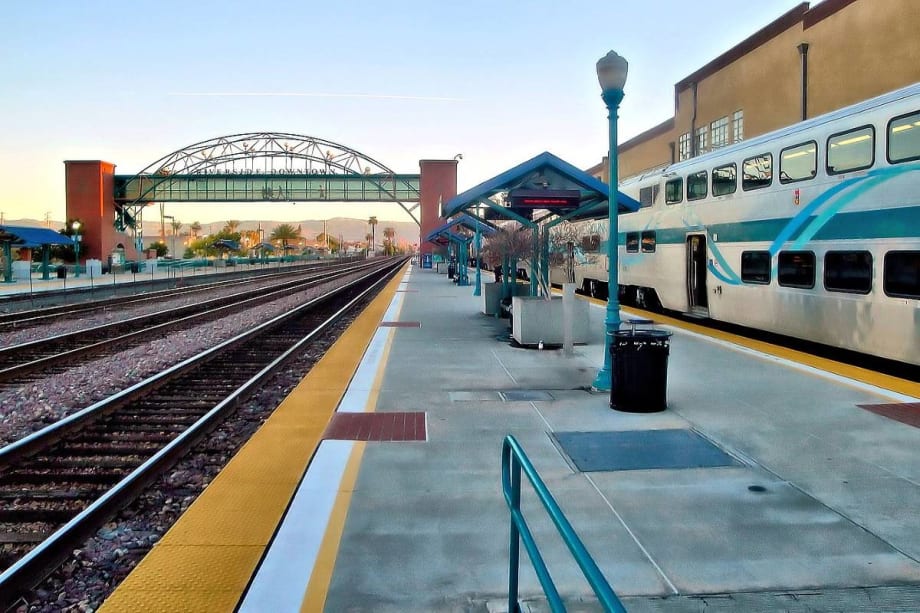
Stantec will identify barriers to building transit-supportive mixed-use development for each project.
Photo: Stantec
2 min to read
Stantec’s Urban Places practice will lead two Transit-Oriented Communities (TOC) programs, located in Raleigh, North Carolina and Riverside, California.
The planning programs will support the Federal Transit Administration’s (FTA) stated goals of increasing access to affordable housing options, combating climate change, advancing environmental justice initiatives, and promoting equitable delivery of infrastructure to underserved communities.
The programs are funded through the FTA’s transit-oriented development planning grant program.
Stantec will identify barriers to building transit-supportive mixed-use development for each project.
Stantec’s strategies:
Engaging members of the community on their needs
Examining ways new developments are approved,
Looking at regulations for parking or development that limit new development opportunity,
Recommending approaches to mitigate the adverse effects of gentrification
Understanding the physical barriers to better connect residents to transit
In Riverside, the TOC plan will address the Metrolink commuter line connecting communities in Riverside County to Los Angeles and Orange Counties for the Riverside County Transportation Commission (RCTC).
“The price of a single-family home in Riverside County has jumped over 30 percent in just the last year while wages have remained flat, making it increasingly difficult for many buyers to afford to live in the Inland Empire,” said Adam Maleitzke, Stantec’s project manager for the RCTC TOC Strategic Plan. “California is in a housing crisis, and this process is an opportunity to promote inclusive communities. The TOC Strategic Plan will be a resource for jurisdictions as they plan for a variety of new housing options, allowing more residents to live in walkable, affordable communities with excellent access to transit.”
In Raleigh, design is underway to add a bus rapid transit (BRT) route along New Bern Avenue. It is set for completion in 2023. Stantec’s process will be guided by the city’s Equitable Transit-Oriented Development Playbook, which will identify recommended zoning changes, new or expanded housing affordability and equity programs, urban design strategies, necessary first/last mile safety improvements, and other related considerations.
“Continued investment from government agencies to build better transit across the U.S. bodes well for the future of urban development,” said Craig Sklenar, project manager for the New Bern Avenue Station Area Planning project. “A holistic planning approach that considers community impact will yield improved outcomes – from better mobility options to opportunities for new amenities, housing, and jobs that meet the growing needs of evolving urban communities.”
More Management

People Movement: Dan Dipert Coaches Adds Third-Generation Leader, Keolis Names New Valley Metro VP/GM, and More
In this edition, we also cover recent appointments and announcements at the Wabtec, SilverRide, HNTB, and more, showcasing the individuals helping to shape the future of transportation.
Read More →
METRO Opens Submissions for 2026 Motorcoach Awards
Nominations are now being accepted for METRO Magazine’s Operator of the Year and Innovative Operator of the Year awards.
Read More →
New York MTA Advances Final Contract for Second Avenue Subway Expansion
Contract Four is the largest in the Second Avenue Subway Phase 2 project and includes construction of station infrastructure, tracks, and signals for the subway expansion, MTA officials said. Work on Contract Four will begin in 2027.
Read More →

Transit Agencies Highlight Safety Gains at National Summit
Leaders from 15 major transit systems shared crime-reduction results and safety initiatives while discussing the role of continued federal support.
Read More →
NITA Names New Leadership, Expands Reduced-Fare Program at First Board Meeting
The new regional transit authority appointed its first board chair and interim executive director while extending reduced fares across CTA, Metra, and Pace for eligible riders.
Read More →
Beyond the Checklist: A Structured Approach to Transit Maintenance
Reliability-Centered Maintenance helps transit agencies move beyond routine checklists to focus limited resources on the assets and failures that have the greatest impact on safety, reliability, and service.
Read More →
APTA 2026 Nominating Committee Selects Leadership Slate, Names Chair and Vice Chair Nominees
Leadership changes will help shape the association’s priorities and its representation of the transportation industry during the 2026–2027 term.
Read More →
DART Launches Major Security, Fare Enforcement Initiative
The 90-day demonstration will deploy coordinated security teams at five light rail stations while testing controlled access and gathering data to guide future investments.
Read More →
Sponsored•September 9, 2026
Advancing Fare Collection Through Technology and Innovation
Learn about delivering 1300 gates at 91 stations while managing fare evasion. Explore the large scale deployment, solution customization and real-world results that affect the region. Prepare for deployment in your region now.
Read More →
Game Day in Motion: Moving Millions During the 2026 World Cup
Between packed transit stations and team motorcoaches, see how agencies and operators across North America tackled the transportation demands of the 2026 FIFA World Cup.
Read More →