



Study: Increasing competition among transportation modes could cut oil consumption
The report analyzed the specific effect on oil demand from telecommuting, bus rapid transit, transit competition, improved transportation technology, vouchers and other policies. The group also recommended implementation strategies to maximize oil savings.

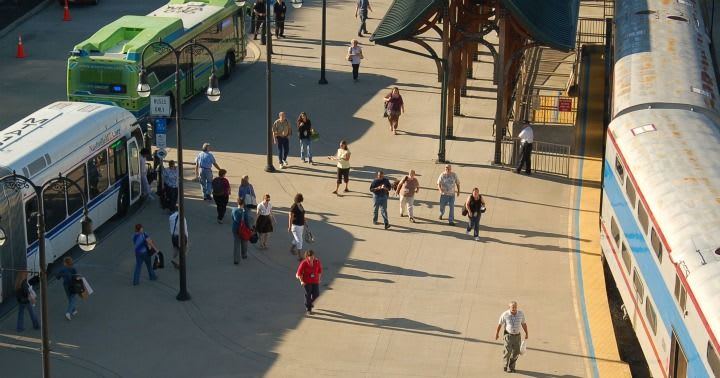
A new report, released by newly formed coalition focusing on transportation reform, calls for an increased federal investment in transportation technology to save drivers time and money and increased transportation system efficiency and services. Photo courtesy Nashville Metropolitan Transit Authority.
[IMAGE]multimodal-Nashville-MTA-full-2.jpg[/IMAGE]By increasing competition among transportation modes, making transportation pricing transparent, and tying transportation spending to energy and economic performance, America could cut oil demand by as much as 779 million barrels a year by 2030, according to a study released by newly formed coalition focusing on transportation reform.
The analysis "Taking the Wheel: Achieving a Competitive Transportation Sector Through Mobility Choice," took the ideas put forth by the coalition's Mobility Choice Blueprint and ran them through a rigorous analysis to project their potential impact on oil demand. It details the benefits of 10 specific policy options that would level the playing field among transportation options.
The Mobility Choice Coalition, which includes the Institute for the Analysis of Global Security (IAGS), the Intelligent Transportation Society of America, the Natural Resources Defense Council and the American Bus Association (ABA), as well as 15 other organizations, came together around a fiscal conservative vision for transportation reform, which would reduce government waste and, by expanding competition among transportation modes, decrease the strategic importance of oil.
The report emphasizes having options means not only that people will have greater transportation choices, but also that the nation will have greater flexibility if confronted with oil price spikes or supply restrictions.
"Giving options allows the customer to weigh their decisions and make different choices, based on what meets his or her needs," said Peter J. Pantuso, president/CEO of the ABA. "It also, potentially, creates some competition in the market-place amongst the various modes of transportation."
The report's recommendations aim to reduce economic disruptions from oil spikes, cut wasteful government spending, and provide Americans with economical and convenient transportation options.
"The key takeaways from the report are that at a time of soaring deficits and crumbling infrastructure, it is critical to shift the way transportation infrastructure is funded in this country to a system grounded in basic economics," explained report co-author Anne Korin of the IAGS. "As long as users are not directly and fully paying for the infrastructure they use, be that highways, bridges, trains or buses, there will be a profound disconnect between what gets funded with taxpayer dollars as compared to what actually would meet demand."
The report analyzed the specific effect on oil demand from telecommuting, bus rapid transit, transit competition, improved transportation technology, vouchers and other policies. The group also recommended implementation strategies to maximize oil savings.
As an example, the report said government agencies can set a good example by encouraging telecommuting and a compressed workweek for its workforce. Barriers to telecommuting in state and local tax codes should be eliminated, and tax incentives can be provided for telecommuting infrastructure setup, Internet connectivity and maintenance costs similar to the tax-free benefits currently provided for other workplace transportation costs.
"It's also very important to consider load factor. Buses running empty or with very few passengers waste energy, not to mention hard earned taxpayer money, as compared to each of those passengers driving a car, so we should ensure that tax dollars are only going to lines that run mostly full," said Korin.
The report also calls for an increased federal investment in transportation technology to save drivers time and money and increased transportation system efficiency and services. The Coalition believes that with the new Congress about to take office, now is the right time to pay attention to "Taking the Wheel..."
"Transportation policy is a great place for policymakers to start a focused effort of government reform," Korin said. "Transparency, accurate pricing, more local rather than federal control of tax dollar allocation, spending tied to economic and energy metrics — all these are key to ensuring that when it comes for transportation infrastructure Americans get what they pay for and pay for what they get."
More Paratransit
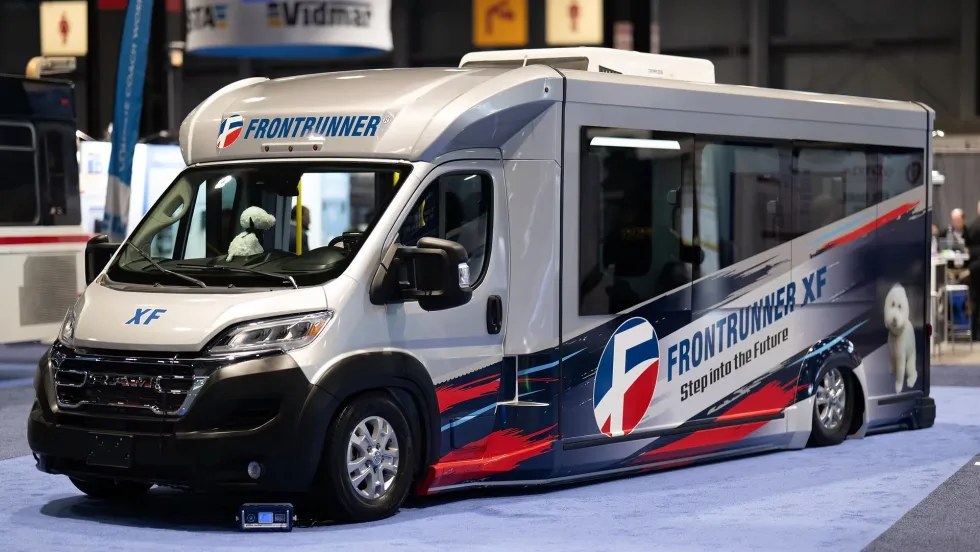
Frontrunner Bus Group Introduces XF Low-Floor Bus with Enhanced Accessibility
The new mid-sized bus features a full flat-floor design, eight-inch curbside step-in height, and zero-entry rear ramp to improve passenger access and operational flexibility.
Read More →
Scenes from APTA TRANSform & EXPO 2026
Transit leaders, manufacturers, and industry professionals gathered in Chicago to explore new technologies, share ideas, and discuss the future of public transportation.
Read More →
Indian River Transit’s Community-Focused Approach Earns National Recognition
Named APTA’s 2026 Outstanding Public Transportation System in its size category, Florida’s Indian River County transit system continues to grow ridership through fare-free service and a focus on evolving community needs.
Read More →
Everett Transit, Community Transit Outline Consolidation Agreement
The proposed agreement calls for a 50% increase in bus service in Everett, a new microtransit zone, continued paratransit service, and the transfer of Everett Transit operations to Community Transit.
Read More →
Driving Smarter Paratransit
John Hanlon shares how AlphaRoute is leveraging AI-powered technology to help paratransit providers optimize operations, support frontline staff, and enhance the rider experience.
Read More →
People Movement: Dan Dipert Coaches Adds Third-Generation Leader, Keolis Names New Valley Metro VP/GM, and More
In this edition, we also cover recent appointments and announcements at the Wabtec, SilverRide, HNTB, and more, showcasing the individuals helping to shape the future of transportation.
Read More →
Biz Briefs: RIPTA Unveils New Frontrunners, Clevland RTA Adds New Siemens, and More
In METRO's latest installment, we take a look at recent news from Siemens, Prevost, Dodge, and more partnerships making headlines across the transportation sector.
Read More →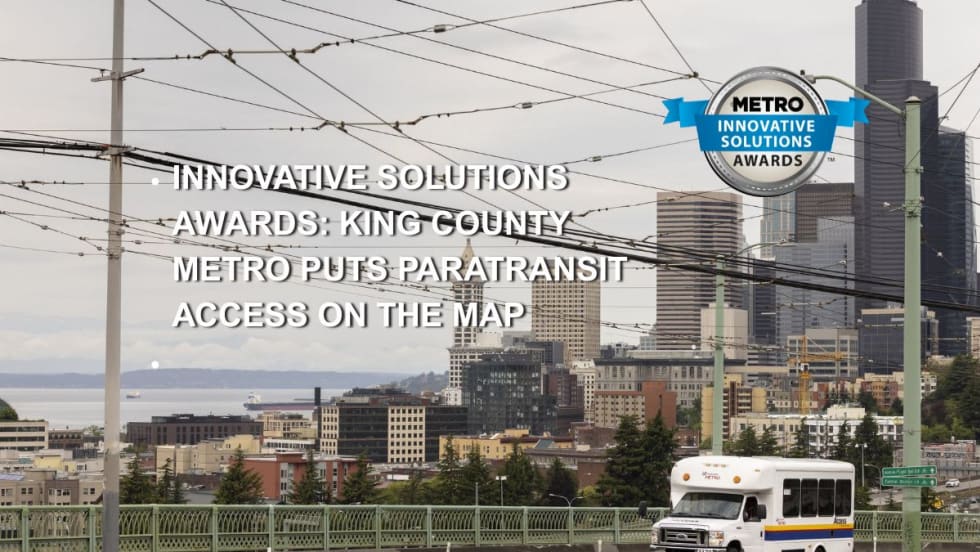
King County Metro Makes ADA Paratransit Easier to Navigate
METRO's Innovative Solutions Award winner replaces complex service-area descriptions with an accessible, interactive map that puts paratransit information directly in customers’ hands.
Read More →
Jacksonville’s NAVI Project Charts a New Course for Autonomous Public Transportation
Through its NAVI program, JTA is showing how autonomous vehicles, intelligent infrastructure, and coordinated operations can work together to deliver everyday public transportation.
Read More →
Driving Smarter Paratransit
John Hanlon shares how AlphaRoute is leveraging AI-powered technology to help paratransit providers optimize operations, support frontline staff, and enhance the rider experience.
Read More →