



Study looks at cold weather effects on electric bus range
Loss in range during a temperature change from 50-60°F to 22-32°F was greater for battery electric buses than for fuel cell electric buses.


Ohio-based Stark Area Regional Transit Authority took part in a study evaluating the relationship between ambient temperature and fuel economy for zero-emission buses (hydrogen fuel-cell bus shown). SARTA
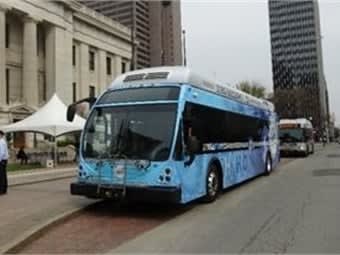
Ohio-based Stark Area Regional Transit Authority took part in a study evaluating the relationship between ambient temperature and fuel economy for zero-emission buses (hydrogen fuel-cell bus shown). SARTA
The Center for Transportation and the Environment (CTE) with the Midwest Hydrogen Center of Excellence (MHCoE), Cleveland State University (CSU), and the Stark Area Regional Transit Authority (SARTA) have released a study evaluating the relationship between ambient temperature and fuel economy for zero-emission buses. This study builds upon previous efforts by incorporating daily-level data into the analysis, allowing the team to capture extreme temperature values that would be masked in an evaluation of monthly data.
All transit buses, regardless of fuel source, experience some loss of range in extreme weather. As transit agencies plan to replace their traditional diesel-fueled buses with zero-emission buses, they will need to consider the effects of extreme weather on the new buses replacing their existing fleets.
Andrew Thomas, Director of the MHCoE said "Transit agencies located in cold weather climates will need to consider the effects of winter on range when planning a transition to zero emission buses. Hydrogen fuel cell buses appears to offer cold weather ranges that will be most compatible with traditional route planning.” This paper attempts to compare both battery electric and fuel cell electric buses’ fuel economy in relation to varying temperature trends.
“As someone who has relied on a bus year round in an area of the country with very cold weather – I haven’t forgotten standing outside in -30 degrees Fahrenheit last winter – it is important to me that we share these real-world range results of zero-emission buses under a wide range of temperature conditions to ensure that they are deployed successfully throughout the United States,” said Alison Smyth, Engineering Consultant at CTE.
The Study Team collected data from eight transit agencies: four that deployed hydrogen fuel cell and four that deployed battery electric buses. The results of the analysis show that the loss in range during a temperature change from 50-60°F to 22-32°F was greater for battery electric buses (37.8% decrease) than for fuel cell electric buses (23.1% decrease). Since battery electric buses typically have a smaller range than fuel cell electric buses even under optimal conditions, this is an important consideration for transit agencies that are seeking one-for-one bus replacements.
This study seeks to provide transit agencies with planning insights as they consider strategies for replacing existing fleets, and does not intend to recommend one technology over another. “As a transit agency operating in the Midwest it is our goal to provide the best service possible to our riders,” said Kirt Conrad, CEO of SARTA. “This includes being able to operate our fleet with the greatest efficiency possible. This study, and its findings, help to show that hydrogen fuel cells are a viable option for other transit agencies in addition to their success here in Stark County.”
This effort was funded under a National Fuel Cell Bus Program grant provided by the Federal Transit Administration.
More Zero Emissions
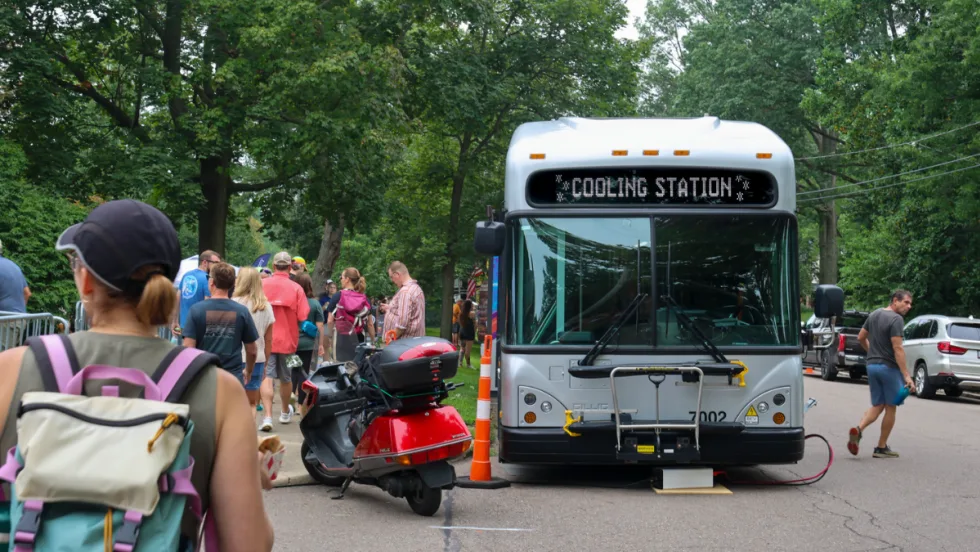
Ohio’s METRO RTA Turns Electric Buses into Mobile Power Sources at PorchROKR
See how three Gillig battery-electric buses powered festival stages while the agency’s new Park & Ride service carried approximately 1,000 attendees, demonstrating another potential use for transit agencies’ electric fleets.
Read More →
CALSTART and Forth Combine to Form Catalyst Mobility
The new name represents a renewed vision for the nonprofit focused on advancing clean, equitable, and affordable transportation solutions that move people and goods.
Read More →
Building a Flexible Path to Transit Electrification
John Hroncich discusses BAE Systems’ modular and scalable approach, lessons learned from decades of real-world operations, and how agencies can identify electrification strategies that fit their fleets.
Read More →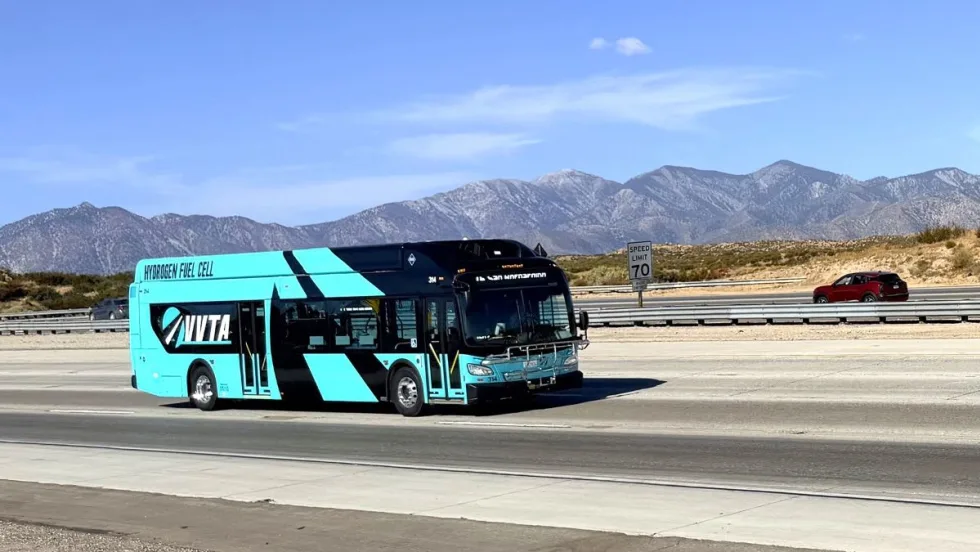
California's VVTA Begins Phased Rollout of Hydrogen Fuel Cell Buses
The agency is introducing 13 zero-emission buses into revenue service while evaluating performance across its urban, rural, and long-distance routes.
Read More →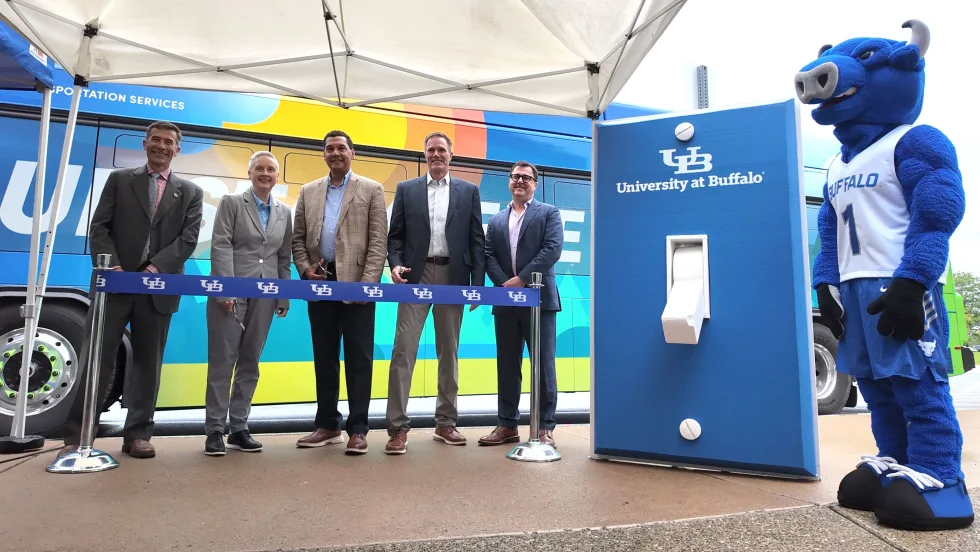
Inside Look: University at Buffalo Puts First 8 Electric Buses Into Stampede Service
UB, transportation solutions provider WeDriveU, and fleet electrification specialist Zenobē marked the deployment in the presence of students, university administrators, and local officials.
Read More →
Biz Briefs: OCTA Taps Clean Energy for Hydrogen Station, Stadler to Supply Via Rail Vehicles, and More
From manufacturers and suppliers to transit agencies and motorcoach operators, these updates offer a snapshot of the projects, partnerships and business moves driving the industry forward.
Read More →
AC Transit’s Cecil Blandon on Building the Next Generation of Transit Maintenance Leaders
The agency’s maintenance chief discusses leadership, workforce development, zero-emission technology, and preparing technicians for the future of public transportation.
Read More →
CTDOT Taps STV for Electric Bus Facility Design
The firm will work with CTDOT and RVT to define the facility layout, operational requirements, and long-term flexibility for RVT’s growing electric fleet.
Read More →
Chicago’s Pace Deploys 24 Hybrid-Electric Buses in Will County
The new buses reduce emissions and fuel consumption while advancing the agency's long-term goal of transitioning to a fully zero-emission fleet.
Read More →
DASH Breaks Ground on First On-Route Electric Bus Chargers in D.C. Region
The fast-charging infrastructure will help extend electric bus range, improve fleet utilization, and support DASH's goal of transitioning to a fully zero-emission fleet.
Read More →