



Study: Nearly $120M in transit earmarks unspent
More than 150 earmarks in 2006 and 2007, allocated under SAFETEA-LU, would have funded public transit projects in several communities across the U.S. had they been spent by Sept. 30, 2009.

Nearly $120 million in Federal Transit Administration (FTA) earmarks that were introduced and approved by Congress have sat untouched in FTA accounts for years and have now lapsed, according to a new analysis by the Sunlight Foundation Reporting Group, a Washington, D.C.-based, non-partisan, nonprofit that focuses on making government transparent and accountable.
According to documents Sunlight obtained through the Freedom of Information Act (FOIA), local recipients never spent $119.2 million set aside by Congress through more than 150 earmarks in 2006 and 2007 that should have funded public transit projects in several communities across the U.S.
These funds were allocated under The Safe, Accountable, Flexible, Efficient Transportation Equity Act: A Legacy for User (SAFETEA-LU) and should have been spent by Sept. 30, 2009 at the latest. Along with its analysis, the Sunlight Foundation Reporting Group also released a spreadsheet that details which projects were never completed and how much earmarked funds should have been spent.
In a companion piece, Sunlight also described the difficulty its researchers encountered when trying to obtain data from the FTA. At first, the government released printouts of a database, and once only sent the first tab of a multi-tabbed spreadsheet, underscoring the need for electronic disclosure. After multiple FOIA requests and clarifications, Sunlight was finally able to get the information it needed. The information Sunlight released on June 22 is not publicly available elsewhere.
"Members of Congress disclose when they request or fund earmarks, but there is no mechanism for following through to see how or even if that money is spent. This begs the question: What happens to the funds for what we’re describing as ‘disappearmarks’?” said Bill Allison, editorial director for the Sunlight Foundation. “We need better disclosure — and that means online and in real-time — to see how federal funds are being spent from the time a lawmaker allocates them to when the project they fund is implemented."
According to Sunlight, the top ten lapsed earmarks are:
1. $19.6 million for a proposed New Starts light rail system by the Triangle Transit Authority in North Carolina that which expired in 2008.
2. Nearly $10 million to assist in constructing Renaissance Square in Rochester, N.Y., that would have included a performing arts center, a college satellite campus and a bus terminal. The project was canceled in 2009.
3. $4.9 million for a proposed commuter rail between Ann Arbor and Detroit that expired in 2008.
4. $4 million for a Trans-Hudson Midtown Corridor Study for New Jersey Transit.
5. $3.9 million Detroit Center City Loop.
6. $3.9 million for the Schuylkill Valley Metro, a proposed railway that would have linked Philadelphia with Reading, Pa., that expired in 2008.
7. $3.4 million for the Rhode Island Integrated Commuter Rail Project.
8. $2.8 million for an extension of the Metro Gold Line from Pasadena to Montclair.
9. $2.8 million for a downtown transit center in Indianapolis.
10. Nearly $2.5 million for a public bus transfer and parking facility at the Billings Clinic in Montana.
Read the full report at http://bit.ly/disappearmarks2
More Paratransit

Biz Briefs: RIPTA Unveils New Frontrunners, Clevland RTA Adds New Siemens, and More
In METRO's latest installment, we take a look at recent news from Siemens, Prevost, Dodge, and more partnerships making headlines across the transportation sector.
Read More →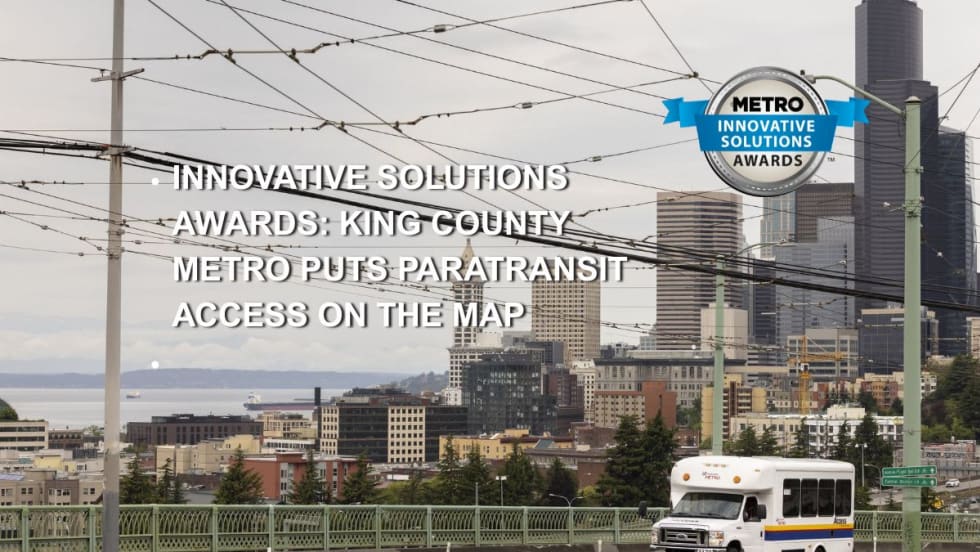
King County Metro Makes ADA Paratransit Easier to Navigate
METRO's Innovative Solutions Award winner replaces complex service-area descriptions with an accessible, interactive map that puts paratransit information directly in customers’ hands.
Read More →
Jacksonville’s NAVI Project Charts a New Course for Autonomous Public Transportation
Through its NAVI program, JTA is showing how autonomous vehicles, intelligent infrastructure, and coordinated operations can work together to deliver everyday public transportation.
Read More →
Driving Smarter Paratransit
John Hanlon shares how AlphaRoute is leveraging AI-powered technology to help paratransit providers optimize operations, support frontline staff, and enhance the rider experience.
Read More →
METRO Magazine Announces 2026 Innovative Solutions Awards Winners
Projects Recognized for Advancing Mobility Through Technology, Accessibility, Workforce Innovation, and Operational Excellence
Read More →
Biz Briefs: STV teams with Amtrak, Motorcoach Operators Boost Fleet and Land Contracts, and More
From manufacturers and suppliers to transit agencies and motorcoach operators, these updates offer a snapshot of the projects, partnerships and business moves driving the industry forward.
Read More →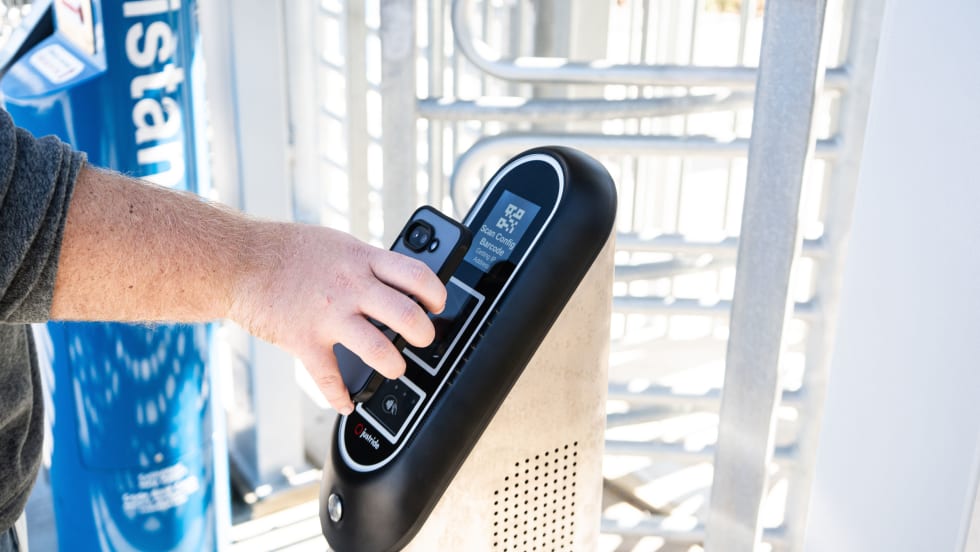
Biz Briefs: Masabi Teams with St. Louis Metro and More
In METRO's latest installment, we take a look at recent news from Transdev, Hitachi, and more partnerships making headlines across the transportation sector.
Read More →
New York MTA Leverages Zoning Program to Advance Station Accessibility
Accessibility enhancements at Nevins St Station will be financed through a development agreement tied to the MTA's Zoning for Accessibility initiative.
Read More →
Reinventing Fleet Maintenance with Real-time Visibility and AI
Transit leaders need to know what needs fixing, where to look, who is responsible, when work is completed, and what it costs without having to chase information across disconnected systems.
Read More →
SamTrans Sets Priorities for Potential Connect Bay Area Revenue
The board-approved framework allocates future funding to maintaining service, rider improvements, equity initiatives, and infrastructure repairs.
Read More →