



Texans don't see public transit as congestion cure, poll says
The findings also suggest that most Texans may be reluctant to make significant lifestyle changes to cope with congestion, such as changing where they live.

Traffic congestion in Texas continues to worsen each year, but that’s not changing how the vast majority of Texans feel about their cars and trucks. This and a variety of other insights come from the first Texas Transportation Poll, which was conducted by the Transportation Policy Research Center of the Texas A&M Transportation Institute. The study examines the travel behaviors and opinions of registered voters in Texas, and its results say a lot about what Texans think about daily transportation choices, challenges, funding, and solutions.
They support spending more on solutions, but they don’t agree on just how to do that.
Nearly two-thirds of respondents said they support increased funding for transportation statewide, and the strongest support came from those with higher levels of education and those who use transportation options other than a personal auto.
A majority also said they support increased funding for public transportation; this was particularly true for those with higher educations and higher incomes.
Of the options they were offered, respondents were most supportive of dedicating the motor vehicle sales tax to transportation needs; they were least supportive of raising the vehicle registration fee from $65 to $115.
From a list of 15 different ways to improve transportation in the state, better traffic signal timing and clearing accidents more quickly were the most popular ideas. Building more toll roads was the least-supported option.
They lack a general understanding of how transportation is funded.
Less than 1 percent of respondents know the correct amount they pay in fuel tax for every gallon of gasoline purchased and how that tax is assessed.
Nearly half incorrectly think that the state’s motor fuels tax is a sales tax (a percentage based on the overall price of a gallon), while it is actually a flat tax that does not change, regardless of the price.
They really depend on their cars and trucks.
Nine out of ten respondents said they own or lease a personal vehicle, relying on that vehicle as their primary means of travel.
One-third reported walking to make a non-recreational trip during the last 30 days prior to the survey, one-fourth used public transit, and one in ten used a bicycle.
They’re feeling the squeeze of traffic gridlock and higher gas prices.
Three-fourths of Texans said they experience traffic congestion when traveling in their region.
A majority view congestion as a byproduct of the state’s growing population and expanding economy.
Because of higher fuel prices, three out of five have tried to drive less; the younger the respondent, the more likely he or she was to limit driving due to high fuel prices.
From a list of 15 ways to improve transportation in the state, better traffic signal timing and clearing accidents more quickly were more popular ideas than adding more highway lanes. Building more toll roads was the least popular idea.The findings also suggest that most Texans may be reluctant to make significant lifestyle changes to cope with congestion, such as changing where they live. Either this is because congestion has not yet reached a point where people feel compelled to make such changes, or traffic congestion has become so commonplace that they view such changes as futile, and choose to simply deal with it.
Researchers say the poll was conducted in part to help inform transportation policy discussions, and that the findings confirm a number of things suggested by previous research.
“From dozens of focus groups over several years, we have seen that Texans, in general, have very little understanding of how we pay for the highways we use,” says Ginger Goodin, Director of TTI’s Transportation Policy Research Center. “What we know now that we didn’t know before is that that lack of understanding is widespread, and it’s common among all demographic groups.”
Researchers plan to repeat the study in two years to measure possible changes in the travel choices and attitudes among registered voters in the state.
The full survey report, along with a summary for each region of the state, can be found online at http://tti.tamu.edu/policy/texas-transportation-poll.
More Paratransit

Biz Briefs: RIPTA Unveils New Frontrunners, Clevland RTA Adds New Siemens, and More
In METRO's latest installment, we take a look at recent news from Siemens, Prevost, Dodge, and more partnerships making headlines across the transportation sector.
Read More →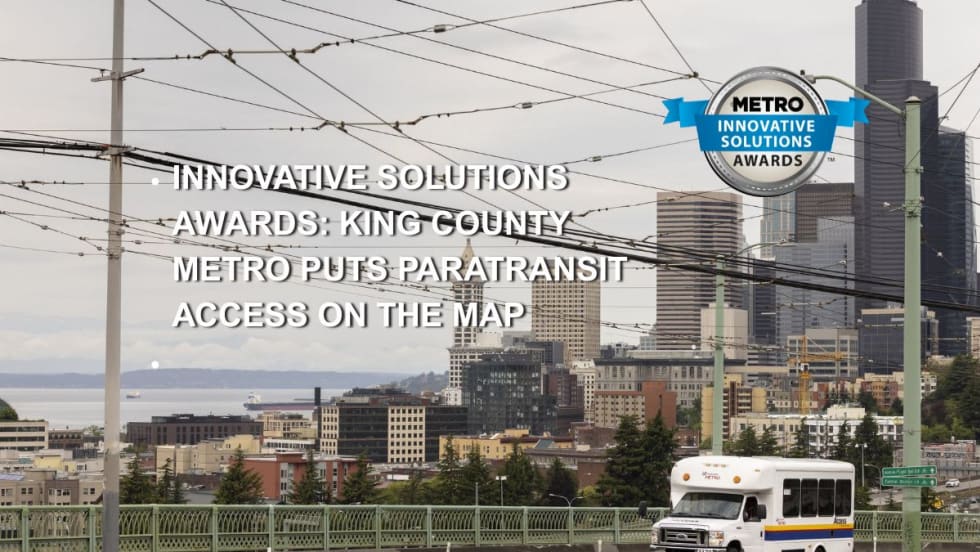
King County Metro Makes ADA Paratransit Easier to Navigate
METRO's Innovative Solutions Award winner replaces complex service-area descriptions with an accessible, interactive map that puts paratransit information directly in customers’ hands.
Read More →
Jacksonville’s NAVI Project Charts a New Course for Autonomous Public Transportation
Through its NAVI program, JTA is showing how autonomous vehicles, intelligent infrastructure, and coordinated operations can work together to deliver everyday public transportation.
Read More →
Driving Smarter Paratransit
John Hanlon shares how AlphaRoute is leveraging AI-powered technology to help paratransit providers optimize operations, support frontline staff, and enhance the rider experience.
Read More →
METRO Magazine Announces 2026 Innovative Solutions Awards Winners
Projects Recognized for Advancing Mobility Through Technology, Accessibility, Workforce Innovation, and Operational Excellence
Read More →
Biz Briefs: STV teams with Amtrak, Motorcoach Operators Boost Fleet and Land Contracts, and More
From manufacturers and suppliers to transit agencies and motorcoach operators, these updates offer a snapshot of the projects, partnerships and business moves driving the industry forward.
Read More →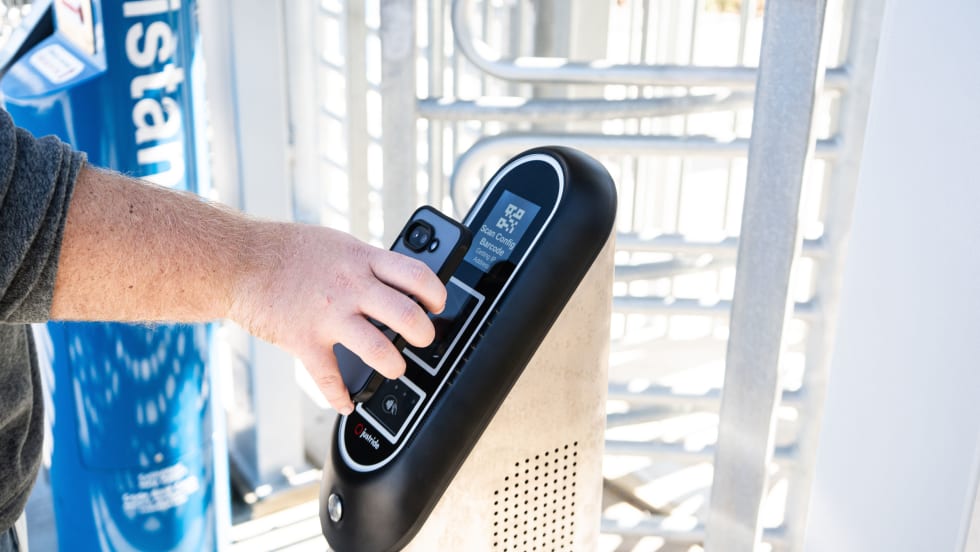
Biz Briefs: Masabi Teams with St. Louis Metro and More
In METRO's latest installment, we take a look at recent news from Transdev, Hitachi, and more partnerships making headlines across the transportation sector.
Read More →
New York MTA Leverages Zoning Program to Advance Station Accessibility
Accessibility enhancements at Nevins St Station will be financed through a development agreement tied to the MTA's Zoning for Accessibility initiative.
Read More →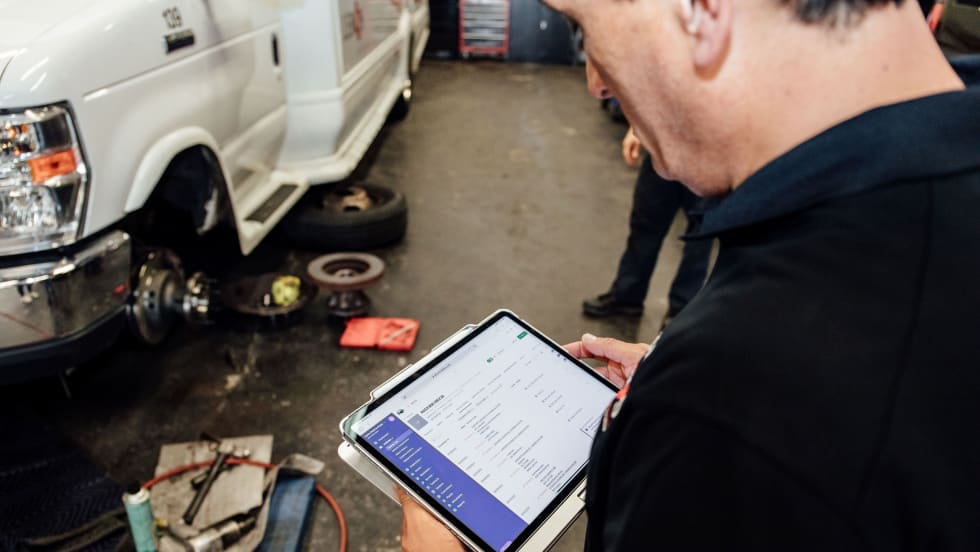
Reinventing Fleet Maintenance with Real-time Visibility and AI
Transit leaders need to know what needs fixing, where to look, who is responsible, when work is completed, and what it costs without having to chase information across disconnected systems.
Read More →
SamTrans Sets Priorities for Potential Connect Bay Area Revenue
The board-approved framework allocates future funding to maintaining service, rider improvements, equity initiatives, and infrastructure repairs.
Read More →