



T&I Chairman Shuster to step down at end of 2018
Plans to devote his final year to pushing for an infrastructure bill, an initiative both parties have said is long overdue.

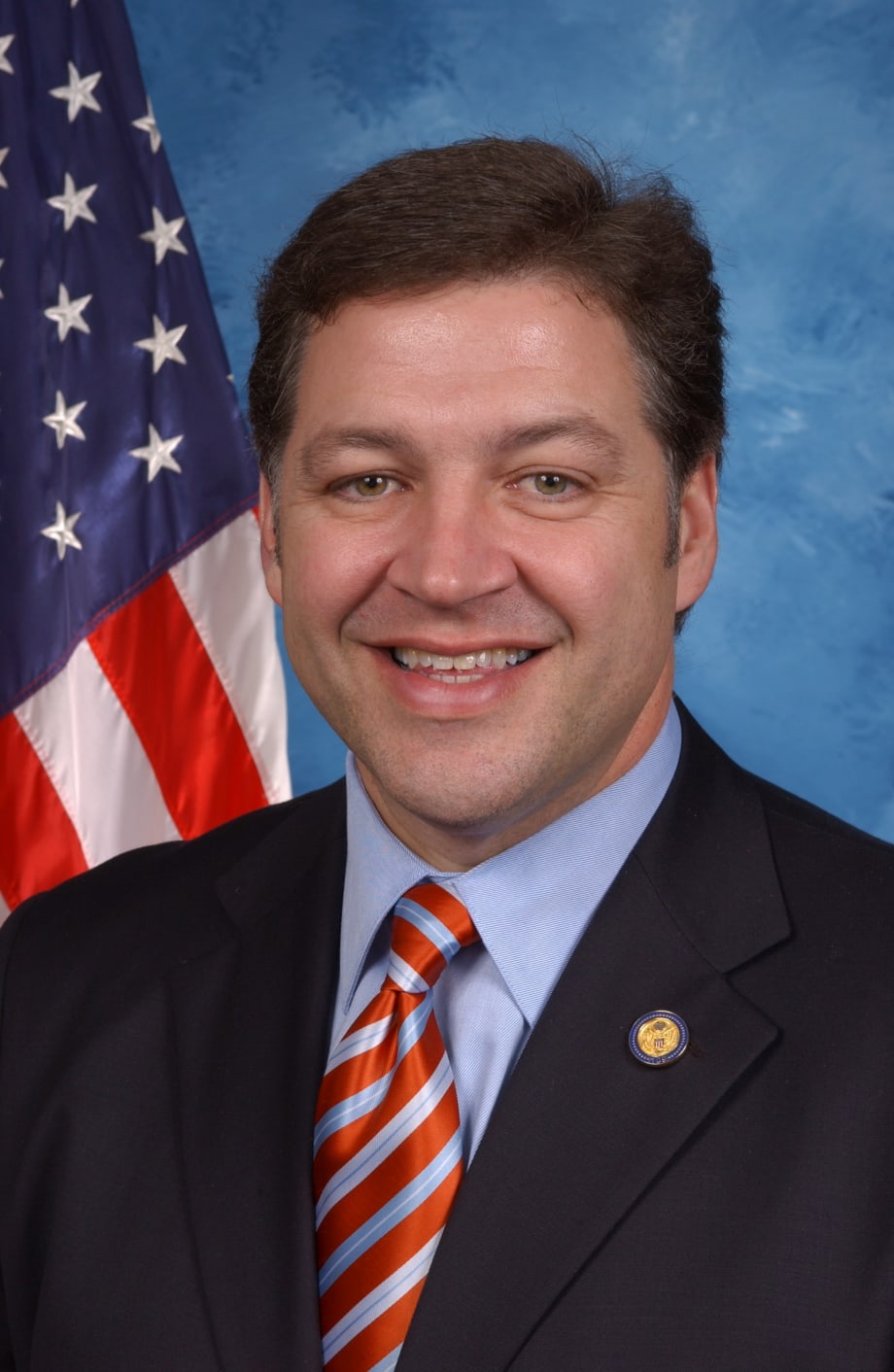
WASHINGTON, D.C. — House Transportation Committee Chairman Bill Shuster announced he will be stepping down at the end of his term in 2018, Politico reports.
Shuster said he planned to devote his final year to pushing for an infrastructure bill, an initiative both parties have said is long overdue but has yet to gain momentum because of Congress' inability to identify viable funding options. For the full story, click here.
“Chairman Bill Shuster has been a champion for the nation’s transportation infrastructure and his leadership will be sorely missed,” said APTA President/CEO Paul P. Skoutelas. “Among his many accomplishments, he was instrumental in the passage of the FAST Act in 2016, the first long-term surface transportation bill in more than 10 years.”
Noting that the Chairman received APTA’s Distinguished Service Award in 2016, Skoutelas thanked Chairman Shuster for his strong support of public transportation and all modes of transportation.
“There has been no stronger voice than Chairman Shuster’s on the critical need for predictable and dedicated funding for surface transportation,” he continued. “We owe him a debt of gratitude and look forward to working with him this year on the upcoming infrastructure bill.”
More Management
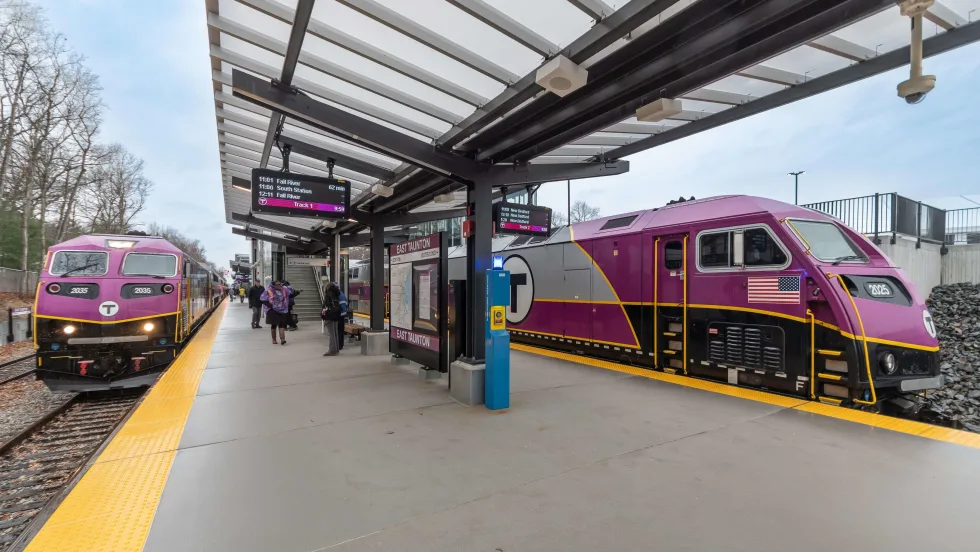
FTA Ends Direct Oversight of MBTA Safety Actions
The federal agency closed its remaining special directive to the Massachusetts Department of Public Utilities following a safety review that began in 2022.
Read More →
Report: Transit Bus Manufacturing Supports 34,100 Jobs, $5.1B in GDP
The “Buses Mean Business” report examines the transit bus manufacturing industry’s economic footprint, supply chain, and rising demand for vehicle replacements.
Read More →
LIT Marks 10-Year Milestone at Annual Summit
Hosted by the COTA from September 10 to 13, the Summit carried the theme “Celebrating 10 Years of Excellence, Leadership, and Impact,” with every part of the program honoring the people, agencies, and partners who built LIT over its first decade.
Read More →

People Movement: Dan Dipert Coaches Adds Third-Generation Leader, Keolis Names New Valley Metro VP/GM, and More
In this edition, we also cover recent appointments and announcements at the Wabtec, SilverRide, HNTB, and more, showcasing the individuals helping to shape the future of transportation.
Read More →
METRO Opens Submissions for 2026 Motorcoach Awards
Nominations are now being accepted for METRO Magazine’s Operator of the Year and Innovative Operator of the Year awards.
Read More →
New York MTA Advances Final Contract for Second Avenue Subway Expansion
Contract Four is the largest in the Second Avenue Subway Phase 2 project and includes construction of station infrastructure, tracks, and signals for the subway expansion, MTA officials said. Work on Contract Four will begin in 2027.
Read More →
Transit Agencies Highlight Safety Gains at National Summit
Leaders from 15 major transit systems shared crime-reduction results and safety initiatives while discussing the role of continued federal support.
Read More →
NITA Names New Leadership, Expands Reduced-Fare Program at First Board Meeting
The new regional transit authority appointed its first board chair and interim executive director while extending reduced fares across CTA, Metra, and Pace for eligible riders.
Read More →
Beyond the Checklist: A Structured Approach to Transit Maintenance
Reliability-Centered Maintenance helps transit agencies move beyond routine checklists to focus limited resources on the assets and failures that have the greatest impact on safety, reliability, and service.
Read More →
APTA 2026 Nominating Committee Selects Leadership Slate, Names Chair and Vice Chair Nominees
Leadership changes will help shape the association’s priorities and its representation of the transportation industry during the 2026–2027 term.
Read More →